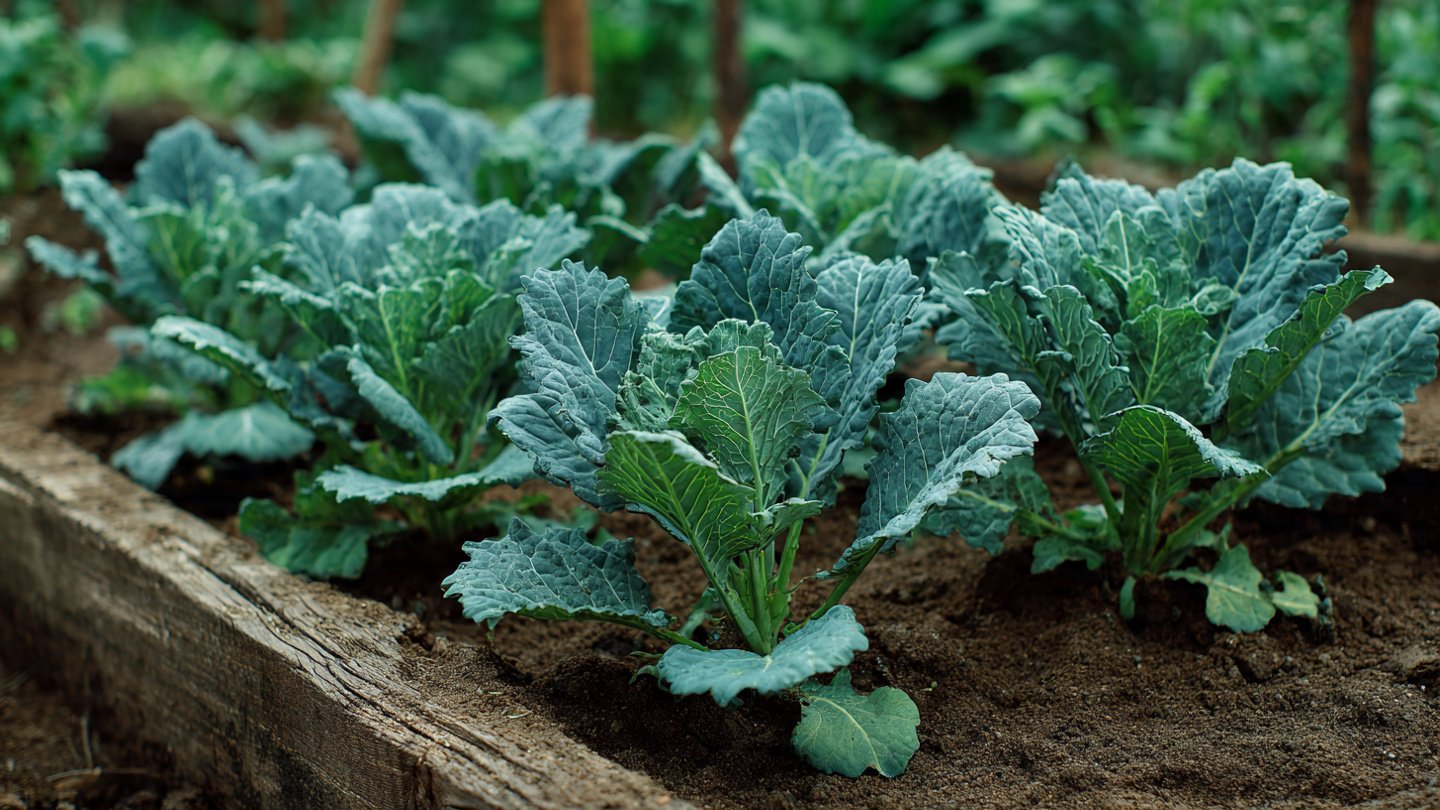
Lacinato kale, also known as Dinosaur kale or Cavolo Nero, is a dark, leafy vegetable that offers exceptional health benefits and a unique, robust flavor. Its elongated, crinkled leaves not only stand out in the garden but also contribute to its rich nutritional profile, providing vitamins A, C, K, and essential minerals. Unlike some other varieties of kale, Lacinato is known for its sweeter flavor, particularly after exposure to frost, making it a favorite among chefs and home gardeners alike. If you’re looking to grow Lacinato kale in your home garden year-round, this guide will walk you through the essential steps and offer valuable tips for cultivating this superfood.
Why Grow Lacinato Kale?
Before diving into the specifics of cultivation, it’s worth exploring why Lacinato kale deserves a place in your home garden:
- Nutritional Powerhouse: The kale family is renowned for its health benefits. Lacinato kale is especially rich in antioxidants, vitamins, and minerals, making it a perfect addition to various diets.
- Versatility in Cooking: From salads and smoothies to soups and stir-fries, Lacinato kale can enhance a wide range of dishes with its robust flavor.
- Year-Round Harvest: With the right techniques and care, you can enjoy fresh Lacinato kale throughout the year.
Getting Started
Choosing the Right Location
Lacinato kale thrives best in full sunlight. Ideally, select a location in your garden that receives at least 6-8 hours of direct sunlight per day. A well-drained, fertile soil rich in organic matter will significantly benefit the growth of your kale.
Soil Preparation
Lacinato kale prefers slightly acidic to neutral soil, with a pH between 6.0 and 7.0. Before planting, enrich your garden soil by:
- Testing Soil pH: Use a soil test kit to determine the pH level. Based on the result, you can amend the soil as needed.
- Amending Soil: Mix in compost or well-rotted manure to improve soil structure, nutrient content, and drainage. Aim for a minimum of 2-4 inches of organic matter.
Choosing Seeds or Seedlings
You can choose to grow Lacinato kale either from seeds or from nursery seedlings. Seeds are more cost-effective and allow for a greater variety of growing conditions. Here’s a breakdown to help you decide:
-
Seeds: Plant seeds directly into the garden about ¼ to ½ inch deep, spacing them 12-18 inches apart. If you’re starting seeds indoors, transplant them once they have 3-4 true leaves and are hardened off.
-
Seedlings: If you prefer to buy seedlings, look for healthy, green plants without any signs of pests or diseases.
Planting Lacinato Kale
Timing
Lacinato kale can be planted in early spring or late summer for a fall harvest. In many regions, it’s possible to grow it year-round with some protection in the colder months. To extend your harvest:
- Spring Planting: Start seeds indoors 6-8 weeks before the last frost date and transplant outside when the soil warms.
- Fall Planting: Plant in late summer, allowing the plants to mature in cooler temperatures, which enhances flavor.
Spacing
Proper spacing is crucial for the healthy growth of Lacinato kale. Space your plants around 12-18 inches apart. This helps reduce competition for nutrients and allows for better air circulation.
Caring for Your Lacinato Kale
Watering
Kale requires consistent moisture, especially in the early growth stages. Watering should be deep but infrequent to encourage deep root growth. Aim to keep the soil consistently moist but not soggy.
- Watering Schedule: Water at least once a week, adjusting based on weather conditions. In hotter months, you may need to increase frequency.
Fertilizing
Lacinato kale benefits from regular feeding. A balanced fertilizer high in nitrogen (which promotes leafy growth) will be beneficial.
- Application: Apply a liquid organic fertilizer every 4-6 weeks or use slow-release granular fertilizers according to package instructions.
Weed Control
Weeds compete with your kale for essential nutrients and water. Mulch around your plants to suppress weed growth while retaining moisture in the soil. Regularly inspect your garden and pull out any weeds to prevent them from establishing.
Pest and Disease Management
While Lacinato kale is relatively resistant to pests, it can still fall prey to common garden pests like aphids, cabbage moths, and slugs. Here’s how to manage them:
-
Pest Control: Handpicking pests, using insecticidal soap, or introducing beneficial insects like ladybugs can help manage infestations.
-
Disease Prevention: Ensure good air circulation and avoid overcrowding your plants to reduce the risk of fungal diseases. Rotate crops annually to prevent soil-borne diseases.
Harvesting Lacinato Kale
One of the best aspects of growing Lacinato kale is that you can harvest it continuously throughout its growing season:
When to Harvest
You can begin harvesting leaves when they are 6-8 inches long. For optimal flavor and tenderness, harvest older, outer leaves first, allowing the inner leaves to continue growing.
- Tips for Harvesting: Use a sharp knife or scissors to cut leaves at their base. Harvesting in the morning is ideal as leaves contain more moisture and are fresh.
Encouraging Growth
Regular harvesting will encourage your plant to produce more leaves. If you notice the leaves starting to yellow, it’s time to collect them rather than letting them go to waste.
Storing Lacinato Kale
Fresh Lacinato kale can last up to a week in the refrigerator. If you have a surplus, consider these storage options:
- Refrigeration: Store kale in a plastic bag or container with a damp paper towel to maintain moisture.
- Freezing: Blanch the kale briefly in boiling water, then immerse it in ice water to stop cooking, dry, and store in airtight containers or freezer bags for up to 6 months.
FAQs
1. Can Lacinato kale tolerate frost?
Yes! In fact, Lacinato kale often tastes sweeter after exposure to frost. It is considered a cold-hardy vegetable that can survive lower temperatures well.
2. How often should I water Lacinato kale?
Aim to water your kale about once a week, ensuring the soil remains consistently moist but not soggy. Adjust frequency based on local weather conditions.
3. Does Lacinato kale require sunlight?
Yes, Lacinato kale requires at least 6-8 hours of sunlight per day for optimal growth. A well-lit location helps promote healthy leaf production and flavor.
4. How do I know when to harvest my kale?
Harvest Lacinato kale leaves when they are 6-8 inches long. It is best to start with the outer leaves and allow inner leaves to continue growing.
5. What diseases affect Lacinato kale, and how can I prevent them?
Lacinato kale can be prone to diseases like downy mildew and root rot. Prevent these by ensuring good air circulation, avoiding overcrowding, and practicing crop rotation.
6. Can I grow Lacinato kale in containers?
Absolutely! Lacinato kale grows well in pots. Ensure your container is at least 12 inches deep and has adequate drainage holes.
7. What pests should I watch out for?
Common pests include aphids, cabbage moths, and slugs. Regular inspection and organic pest control methods are effective ways to manage these issues.
Conclusion
Growing Lacinato kale in your home garden can provide nutritious, flavorful leaves year-round. Whether you choose to start from seeds or seedlings, ensuring proper care, attention to soil quality, and pest management will lead to a bountiful harvest. By incorporating this versatile superfood into your meals, you’ll not only enjoy its unique flavor but also reap numerous health benefits. With the right techniques and ongoing care, you’ll find Lacinato kale becomes a delightful and rewarding addition to your gardening experience. Happy gardening!