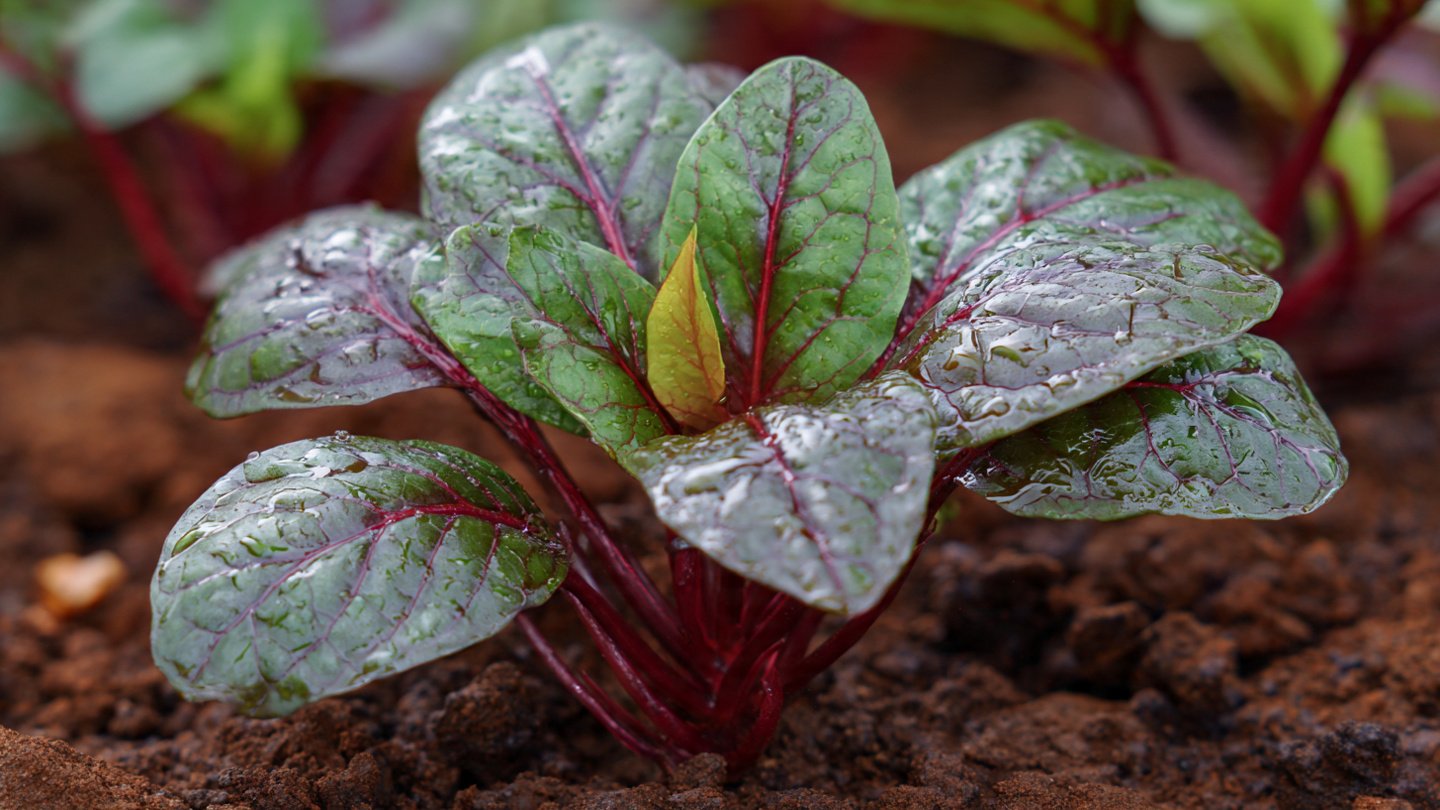
Gongura, or red sorrel (Hibiscus sabdariffa), is a vibrant culinary herb cherished for its tangy flavor and vivid green leaves adorned with striking red veins. This versatile plant has become increasingly popular in home gardens due to its unique taste, ease of cultivation, and the variety of health benefits it offers. Whether you are a beginner or an experienced gardener, this comprehensive guide will provide you with the knowledge needed to cultivate Gongura successfully in your home garden.
Understanding Gongura
What is Gongura?
Gongura, native to Africa and Asia, is a tropical plant that is widely used in Indian, Asian, and African cuisines. Its leaves are often incorporated into salads, soups, and stews, adding a delightful sourness. The plant is characterized by its broad, lobed leaves and striking red stems, making it not only a functional crop but also an aesthetic addition to any garden.
Nutritional Benefits
Gongura is not only delicious but also packed with nutrients. Some of the health benefits include:
- Rich in Vitamins and Minerals: It is abundant in vitamins A, C, and K, as well as minerals like iron and calcium.
- Support for Digestion: The natural acids in Gongura can aid in digestion and improve gut health.
- Antioxidant Properties: The plant has compounds that help to fight oxidative stress, protecting the body from free radicals.
Growing Gongura: Step-by-Step Guide
1. Selecting the Right Location
Gongura thrives in warm, sunny climates, so choose a location that receives at least 6 to 8 hours of sunlight per day. Well-drained, fertile soil is crucial for healthy growth. If you have heavy clay soil, consider amending it with organic matter to improve drainage and nutrient availability.
2. Preparing the Soil
Before planting, it’s crucial to prepare the soil. Here’s how to go about it:
- Soil Testing: Test your soil pH; Gongura prefers a slightly acidic to neutral pH (6.0 to 7.0).
- Amendments: Add compost or well-rotted manure to enrich the soil. This not only improves nutrient content but also aids in moisture retention.
- Tilling: Plow or turn the soil to a depth of at least 12 inches to aerate and break up compacted soil.
3. Sowing Seeds
Gongura can be grown from seeds. Here’s how to sow them:
- Timing: In most climates, seeds can be sown in the spring, after the last frost. If you live in a warm climate, you can also sow in late summer.
- Method: Plant seeds about 1 inch deep and 18 inches apart in rows. Alternatively, you can start seeds indoors 6 to 8 weeks before your last expected frost date.
- Watering: Water the seeds gently but thoroughly after planting.
4. Care and Maintenance
Once your Gongura plants are established, they’ll need proper care:
- Watering: Keep the soil consistently moist but not waterlogged. Gongura does well with about 1 inch of water per week.
- Weeding: Regularly check for weeds that may compete for nutrients.
- Fertilization: Use a balanced fertilizer every 4 to 6 weeks during the growing season to ensure optimal growth.
- Pest Management: Watch out for pests like aphids and caterpillars. Use organic insecticidal soap as a preventive measure or treat them when necessary.
5. Harvesting
Gongura is typically ready to harvest within 60 to 90 days after planting:
- Timing: The leaves can be harvested once they are big enough to use; usually, you can start harvesting in early summer.
- Method: Use clean scissors to snip the leaves, taking care not to damage the plant. Regular harvesting encourages bushier growth.
- Sustainability: Only take about one-third of the leaves at a time to ensure continued growth.
6. Culinary Uses
The tangy flavor of Gongura makes it a perfect addition to many dishes:
- Curries and Stews: Add to traditional curries for a delightful sourness.
- Salads: Fresh leaves can be tossed into salads for extra flavor.
- Chutneys: Gongura chutney is a famous dish in Indian cuisine.
- Smoothies: Blend the leaves into smoothies for added nutrition.
Troubleshooting Common Issues
1. Poor Growth
If your Gongura plants seem to be struggling, check for the following:
- Nutrient Deficiency: Signs include yellowing leaves. Test your soil and consider adding more organic fertilizer.
- Insufficient Sunlight: Ensure your plants get the required sunlight.
2. Pests and Diseases
Common pests include aphids and whiteflies, which can be treated with organic insecticides. Fungal diseases can also affect Gongura plants, especially in humid conditions. Ensure good airflow and avoid overhead watering to mitigate these issues.
3. Seed Germination Issues
If seeds do not germinate:
- Freshness: Ensure seeds are fresh and viable. Old seeds may have reduced germination rates.
- Temperature and Moisture: Keep the soil moist and at the right temperature for successful germination.
FAQs
1. Can Gongura be grown in pots?
Yes, Gongura can thrive in containers if they are large enough (at least 5 gallons) and have good drainage.
2. How often should I water Gongura?
Water Gongura regularly to keep the soil consistently moist but be careful not to overwater.
3. Is Gongura a perennial plant?
Gongura is typically grown as an annual in cooler climates but can be a perennial in warmer regions.
4. Can I grow Gongura in shaded areas?
While Gongura prefers full sun, it can tolerate partial shade. However, growth may be reduced.
5. What to do with excess Gongura leaves?
You can freeze excess leaves for later use, make chutneys, or dry them for tea.
6. Are there any pests that particularly affect Gongura?
Common pests include aphids and caterpillars. Regularly inspect and treat your plants if needed.
7. Any special tips for harvesting?
To avoid damaging the plant, harvest leaves in the morning when the moisture content is high.
Final Thoughts
Growing Gongura can be a rewarding experience that adds both flavor and nutrition to your culinary repertoire. With its ease of cultivation and numerous health benefits, this vibrant plant deserves a spot in every home garden. Whether you are just starting out or are an experienced enthusiast, following this guide will help you to cultivate Gongura successfully, ensuring you can enjoy its delightful tangy leaves all season long!