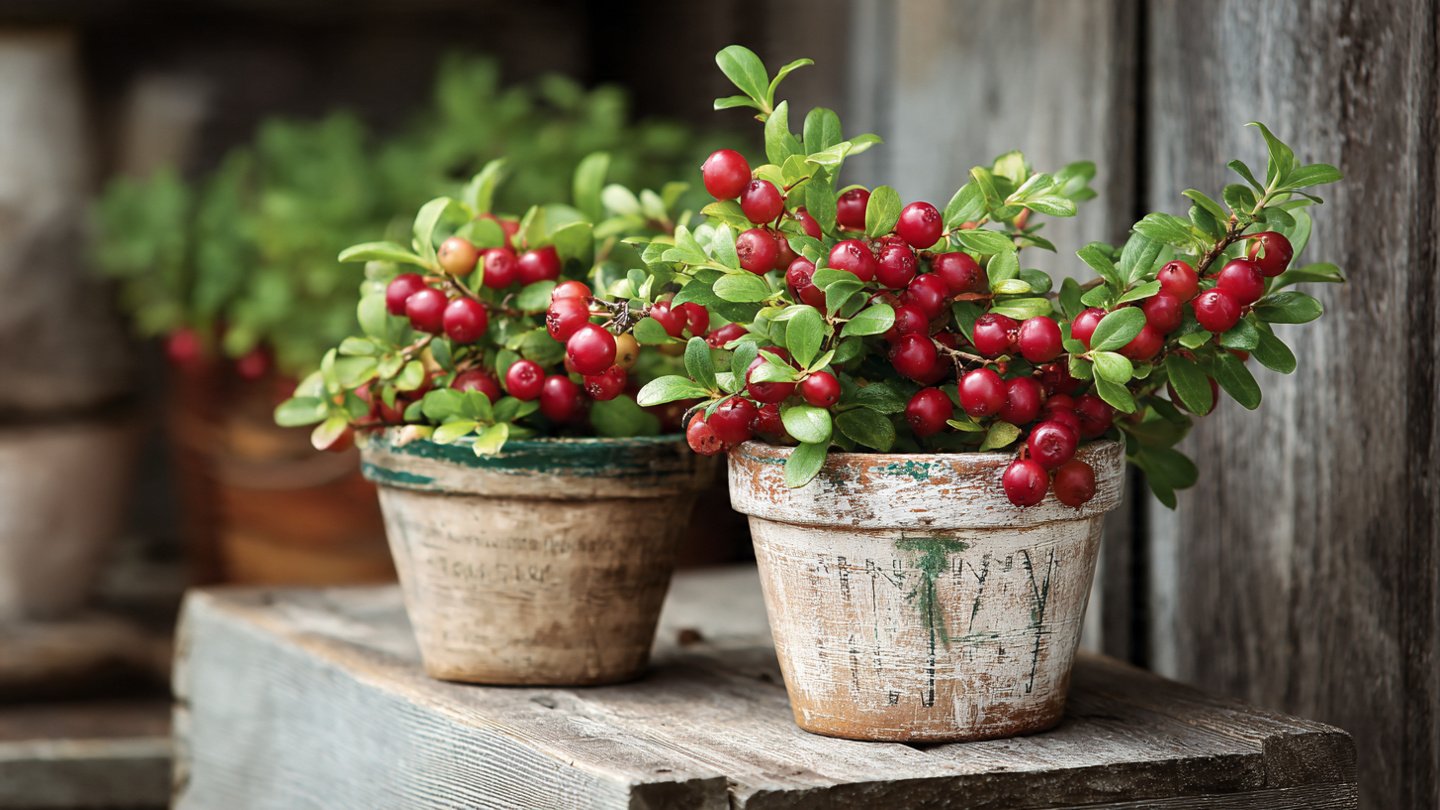
Lingonberries (Vaccinium vitis-idaea) are charming, red, tart berries native to the northern regions of Europe and North America. Known for their high nutritional value and versatility in culinary dishes—from sauces to jams—these berries can be grown in containers, making them an ideal option for home gardeners with limited space. This guide will walk you through all the steps necessary for successfully growing lingonberries in pots, from choosing the right container to caring for your plants, with a helpful FAQs section at the end.
Understanding Lingonberries
What are Lingonberries?
Lingonberries are small, red berries that resemble cranberries but have a distinct tart flavor. They thrive in acidic, well-drained soil and prefer cooler climates, making them a favorite among gardeners in colder regions. These perennial plants also feature evergreen leaves, providing year-round greenery that adds aesthetic value to your garden.
Nutritional Benefits
Lingonberries are not only delicious but also nutritious. Packed with antioxidants, vitamins, and fiber, these berries have been associated with various health benefits, including improved heart health, enhanced digestion, and anti-inflammatory properties.
Choosing the Right Container
Size and Material
When growing lingonberries in pots, the first step is choosing the right container. A pot that is at least 12-16 inches in diameter and 12 inches deep is recommended for good root development. Consider using materials like terracotta, ceramic, or plastic.
- Terracotta: Porous and breathable, great for drainage but may require more frequent watering.
- Plastic: Lightweight and retains moisture well, making it easier to manage.
- Ceramic: Offers aesthetic appeal but can be heavy and less forgiving concerning drainage.
Drainage
Make sure your pot has adequate drainage holes to prevent root rot. If your chosen container doesn’t have holes, you can create them yourself or use a pot liner with drainage features.
Selecting the Right Soil
Soil Composition
Lingonberries thrive in acidic, well-draining soil. A mix of peat moss, pine bark, and perlite can create the right conditions. You can also aim for a pH between 4.5 and 5.5 to ensure optimal growth.
Pre-Planting Soil Preparation
Before planting, consider mixing in some organic matter or specific acid-loving plant fertilizers to give your lingonberries a nutrient boost. Make sure to fully mix the components to avoid inconsistencies in pH and nutrient levels.
Planting Lingonberries
Choosing the Best Variety
While there are several varieties of lingonberries, choose one that suits your climate. “Erntesegen” and “Red Pearl” are popular options that adapt well to pot cultivation.
Planting Process
- Fill the Pot: Start by filling your pot with prepared soil, leaving about an inch of space from the rim.
- Create a Hole: Make a small hole in the center deep enough to accommodate the root system of your plant.
- Plant the Lingonberry: Remove the lingonberry plant from its nursery pot, gently untangle the roots, and position it in the hole. Cover the roots with soil, ensuring the crown of the plant is level with the soil surface.
- Water Thoroughly: After planting, water the plant thoroughly to help settle the soil around the roots.
Caring for Your Lingonberries
Watering
Lingonberries prefer moist soil but are susceptible to root rot. Water the plant deeply once a week, allowing the top inch of soil to dry out between watering. During hotter months, you might need to water more frequently.
Fertilizing
Fertilize your lingonberries using a balanced, slow-release fertilizer specifically formulated for acid-loving plants. Apply fertilizers in early spring and mid-summer, following the manufacturer’s instructions for dosage.
Pruning
Pruning is essential for maintaining healthy plants and encouraging fruit production. Trim back any dead or damaged branches, and consider thinning out crowded growth to improve air circulation. Late winter or early spring is the best time to prune.
Pest and Disease Control
Keep an eye out for common pests like aphids and spider mites, as well as diseases such as powdery mildew. Organic pesticides or neem oil can effectively control these issues if they arise.
Encouraging Pollination and Fruit Production
Pollination
Although lingonberries can self-pollinate, planting multiple plants in close proximity can enhance fruit production. The plants will attract pollinators like bees, making it easier for your berries to thrive.
Fruit Development
After flowering, you can expect small green berries to form. These will mature into bright red fruits over several weeks. Harvesting typically occurs between late summer and early fall when the berries have reached their peak ripeness.
Harvesting Lingonberries
Timing
Lingonberries generally take about 2-3 years to produce a decent harvest. When the berries turn a vibrant, deep red color, they are ripe for picking.
How to Harvest
Gently pull the berries from the stem, ensuring to avoid tearing the plant. If you have multiple plants, stagger your harvesting to allow continued production.
Storing Your Harvest
Freshly picked lingonberries can last up to two weeks in the refrigerator. For longer storage, consider freezing or making jams and jellies.
Benefits of Growing Lingonberries in Pots
Growing lingonberries in pots offers several advantages:
- Space-Saving: Ideal for small gardens, patios, or balconies.
- Mobility: Pots allow you to move plants to sunny locations or protect them from harsh weather.
- Aesthetics: Add beautiful foliage and vibrant berries to your garden décor.
- Controlled Environment: Easier to monitor soil moisture and nutrient levels.
FAQs
1. Can I grow lingonberries in non-acidic soil?
Lingonberries thrive in acidic soil; non-acidic soil could inhibit their growth. Consider amending the soil with peat or using fertilizers designed for acid-loving plants.
2. How much sunlight do lingonberries need?
Lingonberries prefer full sun but can tolerate partial shade. Aim for at least 6-8 hours of sunlight daily for optimal fruit production.
3. How deep do lingonberries roots grow?
Lingonberry roots are shallow, typically extending only about 6-12 inches deep. Ensure your container is deep enough to accommodate these roots while still allowing for good drainage.
4. Do I need to cover my plants in winter?
If you live in a region with harsh winters, consider moving your pots to a sheltered location or wrapping them in burlap to protect them from extreme cold.
5. How often should I fertilize my lingonberries?
Fertilize your lingonberries in early spring and mid-summer, following the product instructions. Avoid over-fertilizing, as this can damage the plants.
6. Why are my lingonberries not producing fruit?
If your plants are healthy but still not producing, consider factors like insufficient sunlight, lack of pollination, or inappropriate soil pH. Adjust your care routine accordingly.
7. Can I grow lingonberries indoors?
While it’s possible to grow lingonberries indoors, ensure they receive ample sunlight and monitor watering closely. You may need supplemental grow lights for best results.
Growing lingonberries in pots can be an enjoyable and rewarding experience for home gardeners. With attention to their specific needs and care, you can cultivate a bountiful supply of these delicious berries right in your backyard or balcony garden. Happy gardening!