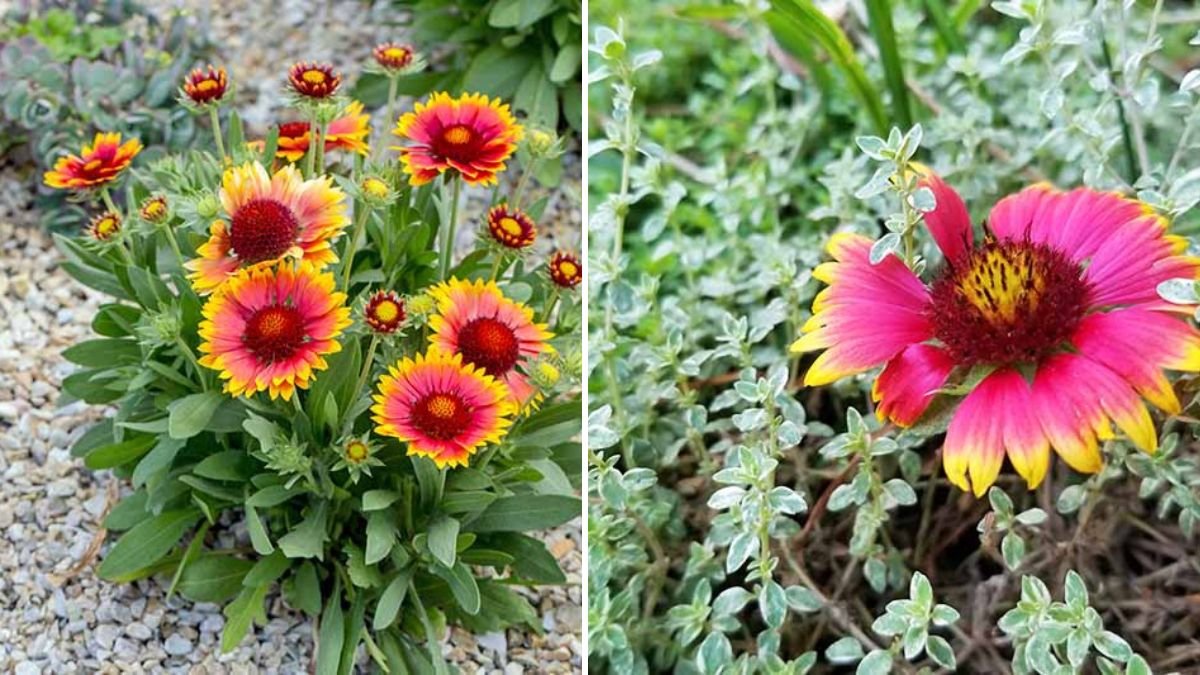
Gaillardia, commonly known as blanket flowers, are vibrant and resilient perennials that can add a splash of color to any garden. With their daisy-like blooms and ability to thrive in various conditions, they are a popular choice for both seasoned gardeners and beginners. In this comprehensive guide, we’ll cover everything you need to know about growing and caring for Gaillardia, including planting tips, maintenance, and troubleshooting common issues.
Overview of Gaillardia
Characteristics of Blanket Flowers
Gaillardia species are characterized by their striking, brightly colored flowers that typically have petals in shades of red, orange, and yellow. The flowers bloom from early summer to fall, attracting pollinators such as bees and butterflies. Blanket flowers are hardy, drought-tolerant, and can grow in a variety of soil types, making them an excellent choice for xeriscaping and low-maintenance gardens.
Varieties of Gaillardia
There are several species of Gaillardia, the most commonly cultivated being:
-
Gaillardia pulchella (Common Blanket Flower): This species is known for its vivid, bi-colored flowers and is often used in wildflower gardens.
-
Gaillardia aristata (North American Blanket Flower): Characterized by its sturdy stems and larger blooms, this variety is also native to North America.
-
Gaillardia x grandiflora (Giant Blanket Flower): A hybrid variety, it produces larger flowers and is favored for its vigorous growth.
Getting Started: Site Selection and Soil Preparation
Choosing a Location
Gaillardia thrives in full sun, so select a location in your garden that receives at least 6-8 hours of direct sunlight daily. This not only encourages robust growth but also enhances flower production.
Soil Requirements
While Gaillardia is tolerant of various soil types, it prefers well-drained sandy or loamy soil with a pH between 6.0 and 7.0. If your soil is heavy clay or retains water, consider amending it with compost or sand to improve drainage.
Preparing the Soil
-
Test the Soil: Use a soil testing kit to determine pH levels and nutrient content. Amend accordingly.
-
Tilling: Before planting, till the soil to a depth of 12 inches to aerate it and incorporate organic matter.
-
Adding Compost: Incorporate a balanced compost to enrich the soil and promote healthy growth.
Planting Gaillardia
When to Plant
The best time to plant Gaillardia is in the spring after the last frost. If you’re in a milder climate, you can also sow seeds in the fall.
Planting Seeds
-
Direct Sowing: Scatter seeds in the prepared garden bed and lightly cover them with soil.
-
Spacing: Space seeds or seedlings 12-18 inches apart to allow sufficient room for growth.
-
Watering: Water gently to moisten the soil without displacing the seeds.
Transplanting Seedlings
If starting seeds indoors, transplant seedlings outdoors once they have developed at least two sets of true leaves. Harden off seedlings for a week by gradually exposing them to outdoor conditions.
Caring for Gaillardia
Watering
While Gaillardia is drought-tolerant, regular watering is crucial during the initial establishment phase. Water deeply once a week, reducing the frequency as the plants mature. Avoid overwatering, as Gaillardia can suffer from root rot.
Fertilization
Gaillardia generally thrives without heavy feeding but can benefit from a light application of balanced fertilizer in early spring. A slow-release, low-nitrogen fertilizer is recommended to support healthy growth without compromising flower quality.
Deadheading
To encourage continuous blooming and prevent self-seeding, regularly remove spent flowers by deadheading. This practice keeps the plant looking tidy and promotes more blooms throughout the growing season.
Pruning
Prune Gaillardia plants back in late fall or early spring to remove dead or damaged foliage. This helps prevent diseases and encourages bushier growth.
Pests and Diseases
Common Pests
Gaillardia may be susceptible to several pests, including:
-
Aphids: Small insects that can weaken the plant. Use insecticidal soap or neem oil to control infestations.
-
Spider Mites: Observable as tiny webs on the plant. Regularly misting the plants can help deter these pests.
Diseases
Gaillardia is generally disease-resistant, but issues can arise from overwatering or poor air circulation. Watch for:
-
Powdery Mildew: A fungal disease that appears as a white coating on leaves. Ensure adequate spacing and airflow to prevent this issue.
-
Root Rot: Caused by overwatering; ensure proper drainage and avoid frequently wet soil.
Propagating Gaillardia
Division
One of the simplest ways to propagate Gaillardia is through division. In early spring or fall, dig up mature plants and divide the root ball into smaller sections. Replant these divisions in prepared soil.
Seed Saving
If you have a favorite Gaillardia cultivar, saving seeds is a viable option. Allow flowers to wilt and dry on the plant, then collect and store seeds in a cool, dry place until ready to sow.
Gaillardia in the Landscape
Companion Planting
Gaillardia works well with a variety of garden companions. Consider planting:
-
Echinacea (Coneflowers): Both are drought-resistant and attract similar pollinators.
-
Rudbeckia (Black-Eyed Susans): Their golden blooms complement Gaillardia’s vibrant colors.
Applications in Garden Design
-
Borders: Use Gaillardia as border plants or edging along pathways; they create a cheerful, colorful line.
-
Wildflower Gardens: Combine them with other wildflowers for a stunning, naturalistic feel.
-
Container Gardening: Gaillardia also thrives in pots, offering versatility in design.
Troubleshooting Common Issues
Poor Growth
If Gaillardia is not thriving, consider the following:
-
Light: Ensure the plants are receiving enough sunlight.
-
Soil: Check for poor drainage or nutrient deficiency.
Lack of Blooms
-
Fertilizer: Over-fertilizing can produce lush foliage at the expense of flowers. Use a balanced approach.
-
Spacing: Ensure plants are not overcrowded to allow proper airflow.
FAQs
Q1: How often should I water Gaillardia?
A1: Water Gaillardia weekly during the establishment phase; thereafter, reduce frequency as they become drought-tolerant.
Q2: Can I grow Gaillardia in containers?
A2: Yes, Gaillardia thrives in containers. Ensure pots have drainage holes and use a well-draining potting mix.
Q3: Is Gaillardia deer resistant?
A3: Gaillardia is generally deer-resistant, making it a good choice for gardens in areas with high deer populations.
Q4: When do Gaillardia flowers typically bloom?
A4: Gaillardia blooms from early summer through fall, providing color for several months.
Q5: How can I prevent pests in my Gaillardia plants?
A5: Maintain good garden hygiene, ensure adequate spacing for airflow, and consider natural pest deterrents such as neem oil or insecticidal soap.
Q6: Should I cut back Gaillardia in the winter?
A6: It’s advisable to cut back Gaillardia in late fall or early spring to promote healthy growth and prevent diseases.
Conclusion
With their vibrant colors, resilience, and ease of care, Gaillardia (blanket flowers) are an excellent addition to any garden. By following the tips outlined in this guide, you can enjoy a flourishing display of these beautiful perennials. Whether you choose to plant them in borders, as part of a wildflower garden, or in pots, Gaillardia will undoubtedly bring life and color to your outdoor space.