Introduction
Begonia Elatior hybrid, commonly known as the Elatior Begonia, is a captivating houseplant characterized by its striking flowers and beautiful, waxy leaves. Beloved for its vibrant blooms and easy-care requirements, this plant is an excellent choice for both novice and experienced gardeners. If you’re looking to add a splash of color to your home, growing Begonia Elatior is a rewarding endeavor. In this article, we will guide you through the simple steps to successfully grow this beautiful hybrid at home.
Understanding Begonia Elatior Hybrid
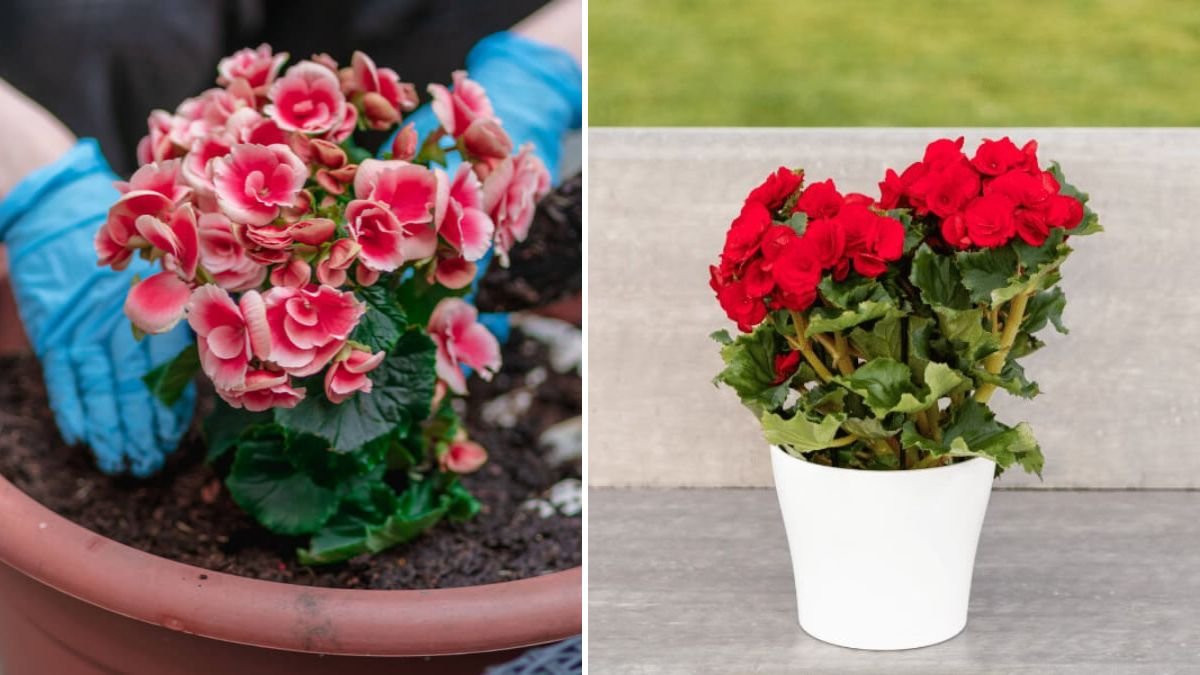
Before we delve into the growing process, it’s essential to understand what makes the Begonia Elatior hybrid unique. Unlike other begonias, which can be more finicky, the Elatior hybrid is bred for its ornamental flowers. It typically features clusters of bright red, pink, white, or orange blooms. The plant is compact, usually reaching a height of 12 to 18 inches, making it ideal for indoor settings.
Step 1: Choosing the Right Location
When it comes to growing Begonia Elatior, location is paramount. Here are some key points to consider:
-
Indirect Light: Begonias prefer bright, indirect sunlight. A north or east-facing window is often ideal. Direct sunlight can scorch the leaves, leading to browning and wilting.
-
Temperature: The ideal temperature range for Begonia Elatior is between 65°F (18°C) and 75°F (24°C). Avoid placing the plant near drafts, air conditioning vents, or heaters, as rapid changes in temperature can stress it.
-
Humidity: These plants thrive in higher humidity levels. If your home is dry, especially in winter, consider using a humidifier or placing the plant on a tray filled with water and pebbles.
Step 2: Selecting the Right Soil
A good potting mix is crucial for the healthy growth of your Begonia Elatior hybrid. Follow these guidelines when choosing or creating your soil mix:
-
Well-Draining Soil: Use a lightweight potting mix designed for houseplants. You can also create your own by mixing equal parts potting soil, perlite, and peat moss.
-
pH Level: Begonias prefer slightly acidic conditions, with a pH of around 5.5 to 6.5. You can use soil tests to determine the pH level if you’re unsure.
-
Nutrient-Rich: Ensure that the soil is nutrient-rich since begonias need a healthy supply of nutrients to support their flowering.
Step 3: Planting Your Begonia Elatior
Once you’ve prepared your soil and chosen a container, it’s time to plant your Begonia Elatior:
-
Pot Selection: Choose a pot with drainage holes to prevent waterlogging. Terracotta pots are great as they absorb excess moisture, while plastic pots retain water longer.
-
Planting Depth: Plant your Elatior Begonia at the same level it was previously growing in its nursery pot. Avoid burying the stem to prevent rot.
-
Water the Soil: After planting, water the soil lightly to settle it. Let excess water drain out, as begonias dislike soggy roots.
Step 4: Watering Requirements
Watering is one of the most critical aspects of caring for your Begonia Elatior:
-
Soil Moisture: Check the top inch of the soil. If it feels dry, it’s time to water. It’s better to underwater than overwater.
-
Avoid Water on Leaves: Do not let water sit on the leaves as this can lead to fungal diseases. Water directly into the soil.
-
Frequency: Water the plant every 1-2 weeks, allowing the soil to slightly dry out between waterings.
Step 5: Fertilizing Your Plant
Fertilizing your Begonia Elatior can encourage healthy growth and vibrant blooms:
-
Choose the Right Fertilizer: Use a balanced, water-soluble fertilizer diluted to half strength. A formula like 20-20-20 or a fertilizer specifically for flowering plants works well.
-
Frequency: Fertilize every 4-6 weeks during the growing season (spring and summer). Reduce or stop fertilizing during the dormant months (fall and winter).
-
Observe Plant Health: If your plant shows signs of nutrient deficiency (e.g., yellowing leaves), adjust your fertilization routine accordingly.
Step 6: Pruning and Deadheading
Regular maintenance helps promote bushier growth and more blooms:
-
Light Pruning: Prune your Elatior Begonia to remove dead or yellowing leaves. This encourages new growth and keeps the plant looking tidy.
-
Deadheading: Remove spent flowers to encourage more blooms. This keeps the plant healthy and can extend the blooming period.
-
Shape Maintenance: Occasionally cut back the plant to maintain its shape and fullness. This is particularly useful if your plant grows leggy.
Step 7: Pest Management
While Begonia Elatior hybrids are relatively resistant to pests, occasional infestations can occur:
-
Common Pests: Be on the lookout for aphids, spider mites, and mealybugs.
-
Natural Remedies: Use insecticidal soap or neem oil to treat infestations. Always test a small section of the plant first to ensure no adverse reactions.
-
Regular Inspections: Conduct regular checks for pests and signs of distress, such as wilting or discoloration.
Step 8: Repotting
As your Begonia Elatior grows, it may need to be repotted:
-
Frequency: Repot every 1-2 years or when you notice the roots are growing out of the drainage holes.
-
New Soil: Always use fresh potting soil to ensure nutrient availability and avoid root-bound conditions.
-
Timing: The best time to repot is during the spring growing season.
FAQs
1. Why are my Begonia Elatior leaves turning yellow?
Yellowing leaves can indicate overwatering, poor drainage, or nutrient deficiency. Check the soil moisture and adjust your watering habits accordingly.
2. How often should I water my Begonia Elatior?
Water your Begonia when the top inch of the soil feels dry. This is usually every 1-2 weeks but can vary based on environmental conditions.
3. Can I grow Begonia Elatior outdoors?
Elatior Begonias are primarily indoor plants. If you live in a warm climate and want to grow them outdoors, ensure they are placed in a shaded area away from direct sunlight.
4. How can I encourage more blooms on my Begonia Elatior?
Regular deadheading and proper fertilization during the growing season can help encourage more blooms. Make sure the plant is getting enough light and water.
5. What should I do if my Begonia Elatior is leggy?
Leggy growth indicates insufficient light. Move the plant to a brighter location, but avoid direct sun exposure. Prune the leggy stems to encourage bushier growth.
Conclusion
Growing Begonia Elatior hybrid is a rewarding experience that can brighten up any space with its vibrant flowers and lush foliage. By following these simple steps—from choosing the right location and soil to proper watering and fertilization—you can enjoy a healthy, flourishing plant. Remember to keep an eye on light and humidity levels, and don’t hesitate to ask questions if you encounter challenges. Happy gardening!