How to Successfully Incorporate Sago Palm into Your Landscape Design Ideas for Homeowners
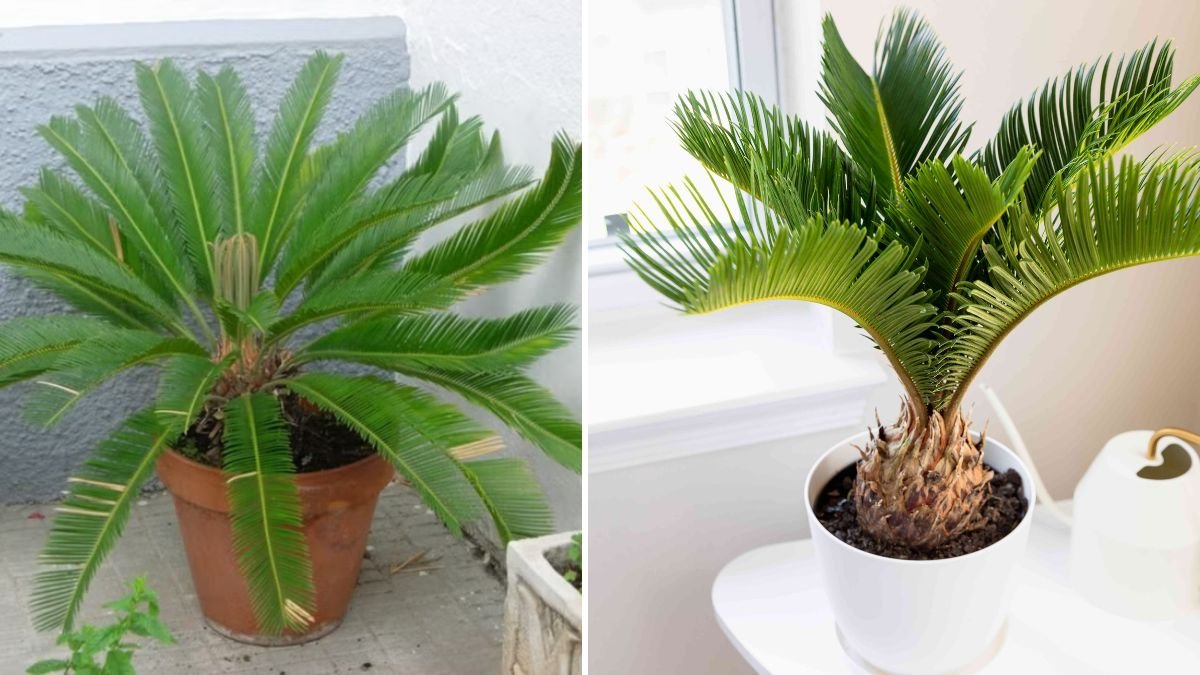
The Sago Palm (Cycas revoluta), often referred to as a “living fossil,” has been a popular choice for landscaping due to its striking appearance and low maintenance needs. Originating from prehistoric times, this cycad is not a true palm but rather a member of an ancient group of plants. With its lush, feathery fronds and striking presence, the Sago Palm can bring a tropical flair to any garden. In this article, we will explore how to successfully incorporate Sago Palms into your landscape design, helping homeowners achieve beautiful, cohesive outdoor spaces.
Understanding Sago Palm
Before diving into design ideas, it’s important to understand the characteristics of the Sago Palm:
- Appearance: The Sago Palm features a thick, sturdy trunk topped with a crown of stiff, arching leaves. The fronds can grow up to 3 feet long, offering a dramatic focal point in any garden.
- Hardiness: Sago Palms thrive in USDA Zones 8-10, making them suitable for warmer climates. They can tolerate drought and require well-drained soil.
- Toxicity: It’s essential to note that the Sago Palm is toxic to pets and humans if ingested, so placement should take this into consideration.
Planning Your Landscape Design
When considering where to place Sago Palms in your landscape, a few steps can help ensure your design is successful:
-
Assess Your Space: Evaluate the size and layout of your garden. Are there any existing features, such as patios, walkways, or other plants, that need to be considered?
-
Determine the Purpose: Decide whether you want the Sago Palm to serve as a focal point, a backdrop for other plants, or part of a larger grouping. This decision will dictate its placement and design.
-
Soil Preparation: Ensure your soil is well-draining. If necessary, amend it with sand or gravel to enhance drainage, particularly if you live in an area with heavy rainfall.
Creative Design Ideas
Here are several creative ideas to incorporate Sago Palms into your landscape design:
1. Focal Point
Place a solitary Sago Palm in a prominent location to create a striking focal point. For instance, situate it at the center of a circular patio or at the end of a walkway. The height and unique shape of the palm will draw the eye and add interest to your outdoor space.
2. Mixed Plantings
Combine Sago Palms with other plants for a diverse planting scheme. They pair well with:
- Tropical Plants: Incorporate plants like hibiscus, bird-of-paradise, or plumeria for a lush, tropical feel.
- Succulents: For a modern touch, surround Sago Palms with various succulents and cacti. This combination is especially effective in xeriscaped gardens, conserving water while providing visual interest.
- Ornamental Grasses: Use grasses to soften the edges of your Sago Palm. Plants like fountain grass or blue fescue can add movement and texture to the landscape.
3. Border Planting
Use Sago Palms as border plants along pathways or driveways. Their structured form contrasts beautifully with softer, lower-growing plants and adds dimension to the landscape.
4. Formal Gardens
Sago Palms lend themselves well to formal garden designs. Plant them in symmetrical arrangements or in pairs flanking a pathway. Their architectural quality creates a refined atmosphere.
5. Container Planting
If space is limited or you want flexibility in your design, consider growing Sago Palms in containers. This option allows you to easily change the layout seasonally or move them as needed. Use large, decorative pots that can accommodate the palm’s root system to ensure healthy growth.
6. Rock Gardens
Incorporate Sago Palms into rock gardens for a dramatic natural look. The combination of rugged stones and the smooth, green fronds of the palm creates a stunning display, particularly in arid areas.
Maintenance Tips
While Sago Palms are relatively low-maintenance, a few care tips can keep them thriving:
- Watering: Water the palms deeply but infrequently. Allow the soil to dry out between waterings to prevent root rot.
- Fertilization: Use a slow-release fertilizer in the spring to provide essential nutrients. Be cautious not to over-fertilize.
- Pruning: Remove any dead or yellowing fronds to maintain the palm’s health and appearance. Use clean, sharp tools to avoid disease.
Seasonal Considerations
In colder climates, Sago Palms may require some protection during winter months:
- Mulching: Apply a layer of mulch around the base to insulate the roots.
- Covering: If frost is expected, cover the palm with fabric or a frost blanket.
Design Inspiration from Nature
It can be beneficial to draw inspiration from natural environments where Sago Palms grow:
- Coastal Designs: Many Sago Palms thrive near the coast. Consider incorporating sandy soil, driftwood, and other coastal elements for a beachy vibe.
- Desert Landscapes: Use Sago Palms alongside other drought-resistant plants to capture the essence of desert landscapes.
Incorporating Art
Consider integrating decorative elements to enhance your Sago Palm’s placement:
- Fountains: A water feature nearby can create a refreshing atmosphere.
- Sculptures: Abstract sculptures or garden art can draw attention to the palm and make your landscape unique.
- Lighting: Install landscape lighting to highlight the Sago Palm at night, casting beautiful shadows and enhancing its features.
FAQs About Sago Palms
Q: Are Sago Palms safe for pets and children?
A: Sago Palms are toxic if ingested, so it’s essential to keep them out of reach of pets and small children.
Q: Can Sago Palms survive in colder climates?
A: Sago Palms are hardy in USDA Zones 8-10. In colder areas, they may need winter protection. Consider growing them indoors or in pots for flexibility.
Q: How often should I water my Sago Palm?
A: Water deeply but infrequently, allowing the soil to dry out between waterings. Overwatering can lead to root rot.
Q: What type of soil is best for Sago Palms?
A: Well-draining soil is ideal. Sandy or loamy soils are preferable, and you can amend heavier soils with sand for better drainage.
Q: When is the best time to fertilize Sago Palms?
A: The best time to fertilize Sago Palms is in the spring, using a slow-release, balanced fertilizer to support growth.
Q: How do I propagate Sago Palms?
A: Sago Palms can be propagated by seed or through offsets (pups) that grow at the base of the plant. However, propagating by seed can take several years to reach maturity.
Conclusion
Incorporating Sago Palms into your landscape design can create a stunning visual impact while offering low maintenance and durability. With various design ideas—from focal points to mixed plantings—you can successfully create a unique outdoor space that reflects your style. By understanding the needs of Sago Palms and taking advantage of creative landscaping techniques, you can transform your garden into a beautiful oasis.
Whether you’re an experienced gardener or just starting, the Sago Palm is sure to bring beauty and charm to your home landscape for years to come. Happy gardening!