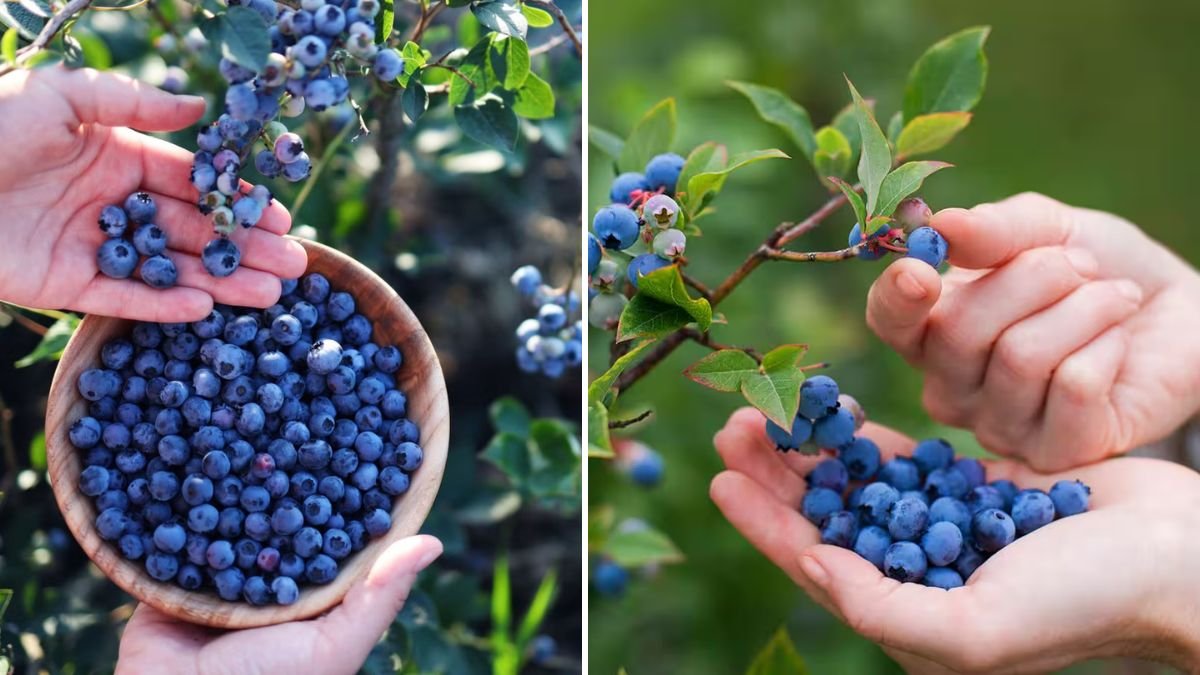
Growing Nordic berries, such as lingonberries, bilberries, and cloudberries, can bring a unique flavor to your garden and plate. Not only are these berries delicious, they also boast impressive nutritional benefits. Whether you’re a beginner or an experienced gardener, this guide will walk you through the best methods for cultivating these hardy berries at home.
Understanding Nordic Berries
Nordic berries are native to Northern Europe and the Arctic regions, thriving in cooler climates. They are often characterized by their resilience and unique flavors. Some common varieties include:
- Lingonberries: Tart red berries often used in jams and sauces.
- Bilberries: Similar to blueberries, they are rich in antioxidants and can be used in baking and preserves.
- Cloudberries: Golden-orange berries with a sweet-tart flavor, often considered a delicacy.
Benefits of Growing Nordic Berries
- Nutritional Value: Rich in vitamins, antioxidants, and fiber.
- Biodiversity: Promotes a diverse garden ecosystem, attracting beneficial insects and birds.
- Culinary Uses: Versatile for jams, desserts, sauces, and even savory dishes.
- Aesthetic Appeal: Beautiful plants that enhance garden landscapes with their colorful berries.
Choosing the Right Location
Sunlight Requirements
Most Nordic berries prefer full sun, meaning 6-8 hours of direct sunlight daily. However, a little shade can also be beneficial, especially in hotter climates.
Soil Conditions
- pH Level: Nordic berries thrive in acidic soil (pH 4.5 to 5.5). It’s crucial to test your soil and amend it if necessary.
- Drainage: Ensure well-drained soil, as these plants do not like “wet feet.” Good drainage can be improved with the addition of sand, peat moss, or compost.
Climate Considerations
Nordic berries are suitable for cooler climates, ideally in USDA hardiness zones 2 to 7. If your area has a milder climate, consider container gardening, allowing you to move the plants as needed.
Preparing Your Garden
Soil Preparation
- Testing: Use a soil pH test kit to determine your soil’s acidity.
- Amending: If your soil is too alkaline, amend it with sulfur or organic materials like pine needles or peat moss to lower the pH.
- Tilling: Loosen the soil to improve aeration and drainage. Add compost to enrich the soil.
Spacing
When planting, ensure adequate spacing between plants to allow for air circulation and ease of harvest:
- Lingonberries: 18-24 inches apart.
- Bilberries: 15-30 inches apart.
- Cloudberries: 18-24 inches apart.
Planting Methods
Seeds vs. Seedlings
For beginners, starting with seedlings or nursery plants is recommended for a faster yield. Seeds can be more challenging due to their slow germination rates.
- Seedlings: Purchase from a reputable nursery.
- Seeds: If opting for seeds, stratify them by placing them in the refrigerator for 3-4 weeks before planting.
Planting Steps
- Digging: Create holes that are about twice the width of the root ball.
- Soil Addition: Mix the existing soil with compost for added nutrients.
- Placing the Plant: Gently place the seedling in the hole and backfill, ensuring the crown is slightly above the soil level.
- Watering: Water the plants thoroughly after planting.
Care and Maintenance
Watering
- Frequency: Keep the soil consistently moist, especially during the first growing season. Use mulch to retain moisture and suppress weeds.
- Best Practices: Drip irrigation is ideal for maintaining consistent moisture without over-soaking.
Fertilizing
Use a balanced fertilizer specifically formulated for berries or acid-loving plants:
- Timing: Apply in early spring before new growth begins and again after the harvest.
Pruning
Regular pruning encourages healthy growth and increased yield:
- Timing: Late winter or early spring before new growth.
- Method: Remove dead or weak stems and thin out crowded areas.
Pest and Disease Management
Common Pests
- Birds: Protect berries with netting to prevent birds from feasting on your crop.
- Aphids: Manage with insecticidal soap or neem oil.
Diseases
Be aware of common fungal diseases such as leaf spot:
- Prevention: Ensure good air circulation and avoid overhead watering.
Harvesting
Timing
- Lingonberries: Harvest in late summer to early fall when they are bright red and plump.
- Bilberries: Harvest from mid-summer to early fall when fully blue.
- Cloudberries: Harvest when they are golden and slightly soft in late summer.
Techniques
- Gentle Handling: Use your fingers to pick berries gently to avoid crushing.
- Containers: Use shallow containers to prevent damage during transport.
Preservation
After harvesting, you may want to preserve your berries:
Freezing
Wash the berries, let them dry, and freeze them in single layers before transferring them to airtight bags for long-term storage.
Canning and Jamming
Preserve your berries by making jams, jellies, or canned goods, capturing the flavors of summer for winter enjoyment.
FAQs
1. Can I grow Nordic berries in containers?
Yes! Container gardening is an excellent option for Nordic berries. Ensure the containers have good drainage and are large enough to accommodate root growth.
2. How long does it take for Nordic berries to produce fruit?
Typically, lingonberries take about 3 years, bilberries can take 2 to 3 years, and cloudberries may take up to 4 years to produce fruit.
3. How often should I water my Nordic berries?
Water your plants consistently, especially in dry periods. A good rule of thumb is to check the soil moisture—if it’s dry to the touch, it’s time to water.
4. Are Nordic berries resistant to cold weather?
Yes, Nordic berries are well-suited to cold climates and can withstand frost. However, they benefit from protection during extreme weather.
5. What is the best time to plant Nordic berries?
The best time to plant is in early spring or fall when the soil has warmed for spring planting or cooled for fall planting, minimizing transplant shock.
6. How do I encourage more fruit production?
Proper pruning, adequate sunlight, and regular fertilization can encourage healthier plants and larger yields of berries.
Conclusion
Growing Nordic berries at home is a rewarding endeavor that pays off with delicious flavors and health benefits. With careful planning and attention to detail, even beginners can successfully cultivate these unique berries. Remember to watch your plants grow and enjoy the fruits of your labor for many seasons to come! Happy gardening!