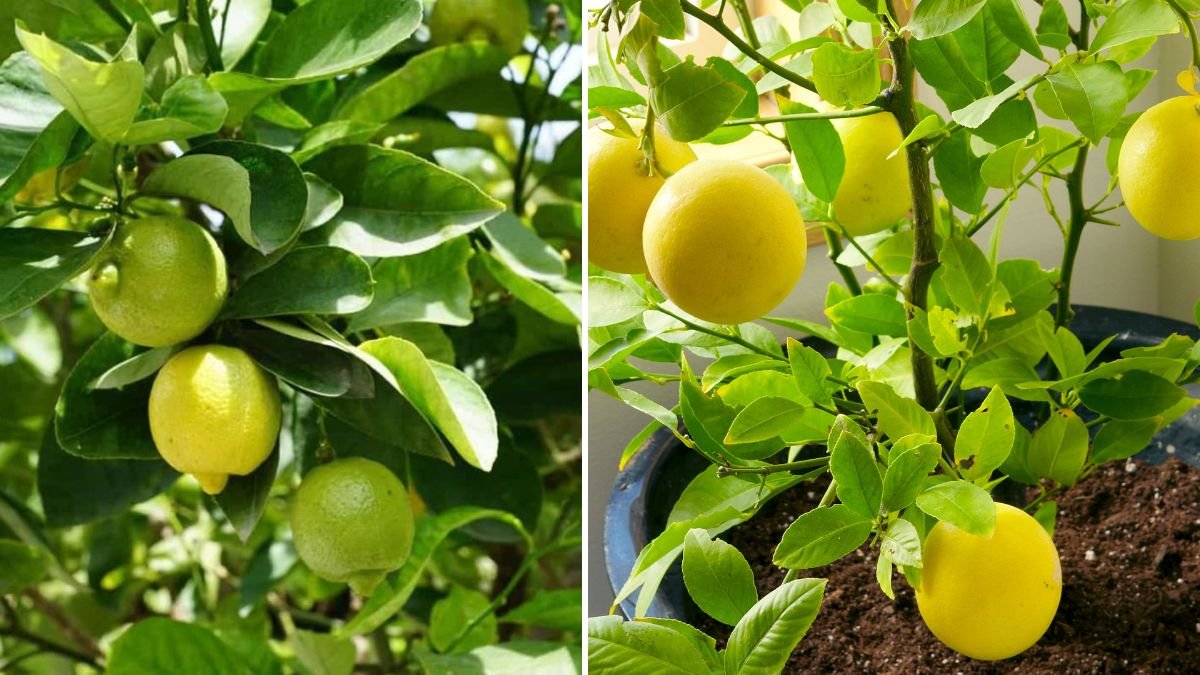
The Ultimate Guide to Successfully Growing Lemon Trees from Seeds at Home
Growing lemon trees from seeds can be an incredibly rewarding endeavor, allowing you to enjoy delicious homegrown fruits while also indulging in the joys of gardening. This ultimate guide will provide you with all the information you need to successfully plant, nurture, and grow lemon trees from seeds in the comfort of your home.
Understanding Lemon Trees
Lemon trees (Citrus limon) are part of the Rutaceae family and are renowned for their aromatic fruits and shiny evergreen leaves. They thrive in warm climates but can also adapt to indoor conditions, making them a suitable choice for home gardeners.
Benefits of Growing Lemon Trees from Seeds
- Cost-Effectiveness: Purchasing seeds is generally more economical than buying a fully grown tree.
- Varietal Control: You can choose from various lemon varieties, ensuring you grow your preferred type.
- Personal Satisfaction: Watching a tree develop from a seed to a fruit-bearing plant is emotionally rewarding.
Choosing the Right Seeds
When choosing seeds to grow lemon trees, it’s best to select organic lemons, as they are less likely to have been treated with chemicals that inhibit germination. Meyer lemons are a popular choice for home gardeners because of their sweetness and compact size.
Step-by-Step Guide to Growing Lemon Trees from Seeds
1. Gather Your Materials
You’ll need:
- Fresh, organic lemon seeds
- A small pot (3-4 inches in diameter)
- Potting mix or soil
- A plastic bag or cover
- Water
- A warm, sunny location
2. Preparing the Seeds
- Extracting Seeds: Cut the lemon and remove the seeds. Rinse them under cool water to remove any pulp or juice, which can inhibit germination.
- Drying: Allow the seeds to dry on a paper towel for a day. Avoid drying them too long, as dried seeds are less likely to germinate.
3. Planting the Seeds
-
Soil Preparation: Fill the small pot with moist potting mix or a seed-starting mix. Make sure the soil is loose and drains well.
-
Sowing the Seeds: Plant the seeds about half an inch deep, covering them lightly with soil. Pat down gently but don’t compact the soil too much.
4. Creating a Humid Environment
- Covering: To create humidity, cover the pot with a plastic bag or plastic wrap, leaving a small opening for air circulation. This maintains moisture without drowning the seeds.
- Location: Place the covered pot in a warm, sunny spot where it receives bright but indirect sunlight.
5. Watering
-
Moisture Maintenance: Check the soil daily for moisture. It should remain consistently moist but not soggy. Water gently to avoid displacing the seeds.
-
Removing Cover: Once you see sprouts, typically within 2-3 weeks, remove the plastic covering to allow for air circulation.
6. Transplanting Seedlings
-
Choosing the Right Time: Once the seedlings reach about 6 inches tall and develop a few sets of true leaves, it’s time to transplant them into larger pots.
-
Transplanting: Carefully remove the seedlings from their initial pot, taking care not to harm the roots. Transfer them into pots that are 8-10 inches in diameter, filled with quality potting soil.
Caring for Your Lemon Tree
Once your seedlings are established, caring for your lemon tree involves regular practices:
1. Sunlight Requirements
Lemon trees thrive in bright sunlight. Ideally, aim for at least 8-12 hours of light a day. If you’re growing them indoors, consider using grow lights.
2. Watering
-
Consistency: Water your lemon tree when the top inch of soil feels dry. Ensure that excess water drains properly.
-
Avoid Overwatering: Lemon trees do not like standing water, as it can lead to root rot.
3. Fertilization
- Choosing Fertilizer: Use a balanced fertilization program with a fertilizer high in nitrogen, phosphorus, and potassium (NPK). Apply fertilizer every 4-6 weeks during the growing season (spring and summer).
4. Pruning
-
When to Prune: Prune your lemon tree to enhance airflow and light penetration. This can be done in the spring after the last frost.
-
Techniques: Remove dead or crossed branches and trim to shape the tree. This helps encourage healthy growth.
5. Pest and Disease Management
-
Common Pests: Watch for pests like aphids, spider mites, and mealybugs. Use insecticidal soap or neem oil for treatment.
-
Fungal Diseases: Ensure good air circulation to prevent issues with fungal diseases, and consider fungicides if necessary.
Harvesting Your Lemons
If you’ve nurtured your lemon tree well, you can expect fruit production in about 3-5 years, depending on the conditions and care provided. When ripe, lemons will be bright yellow and slightly glossy. Gently twist or cut them from the stem to harvest.
Common Challenges and Solutions
-
Lack of Growth: This can stem from inadequate light or moisture. Ensure your lemon tree receives ample sunlight and that the soil is consistently moist.
-
Yellow Leaves: Often a sign of overwatering or nutrient deficiency. Check your watering schedule and consider applying fertilizer.
-
Fruit Drop: This can occur due to stress factors like temperature changes or insufficient watering. Ensure stable conditions for your tree.
FAQs
Q1: Can lemon trees be grown indoors?
Yes, lemon trees can thrive indoors if they receive ample sunlight and proper care. Providing supplemental lighting can benefit indoor trees.
Q2: How long does it take for lemon seeds to germinate?
Typically, lemon seeds take about 2-3 weeks to germinate under suitable conditions.
Q3: Do all lemon seeds produce fruit?
Not all seeds will produce trees that bear fruit. Trees grown from seeds often take longer to fruit and may not produce true-to-type fruits.
Q4: Can I grow lemon trees in pots?
Yes, lemon trees are well-suited to container gardening, making them ideal for patios and small spaces. Just ensure the pot has good drainage.
Q5: What is the best time to plant lemon seeds?
The best time to plant lemon seeds is in the spring when temperatures are warmer and conditions are more conducive to growth.
Conclusion
Growing lemon trees from seeds at home is not just a hobby but an enriching experience. With the right care and attention, you can enjoy fresh lemons right from your garden. By following this guide and being patient and persistent, you will be well on your way to cultivating your very own lemon tree from seed! Happy gardening!