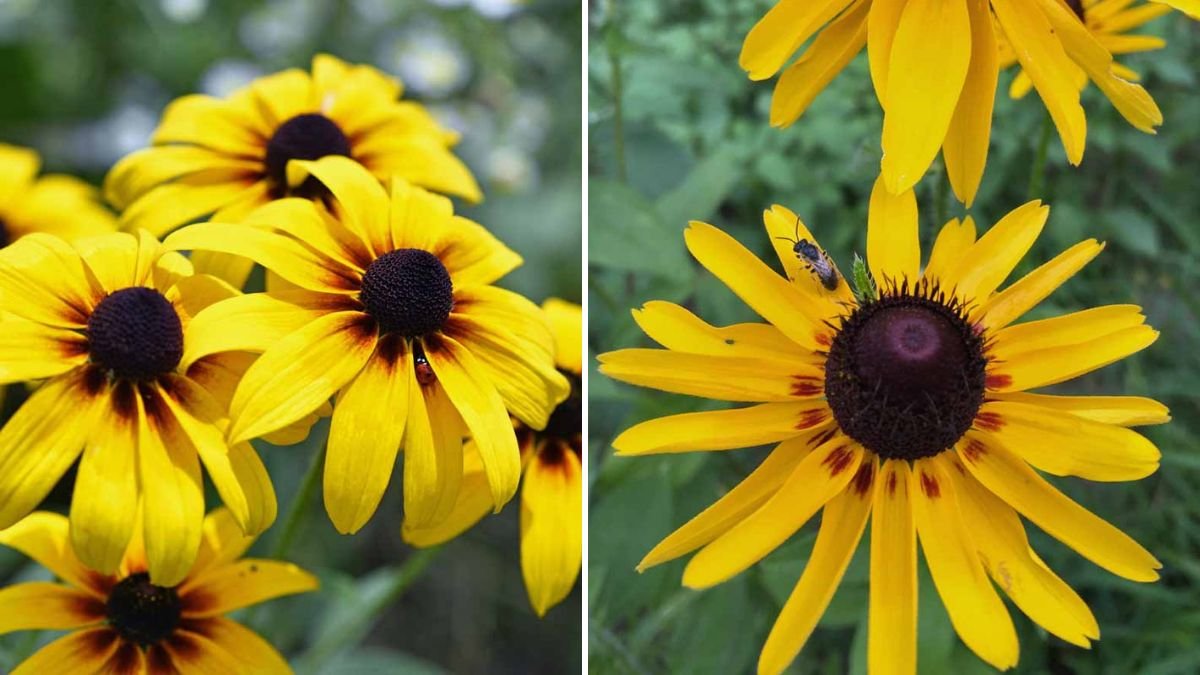
Rudbeckia, commonly known as Black Eyed Susan, is a vibrant, cheerful perennial that brings warmth and color to any garden space. With its bright yellow petals and dark centers, it is a favorite among gardeners and pollinators alike. Whether you are an experienced gardener or a beginner, this ultimate guide will help you cultivate and care for these stunning plants.
Overview of Rudbeckia
Description
Rudbeckia is a genus that encompasses about 25 species, with the most popular being Rudbeckia hirta. This plant features large, daisy-like flowers, typically with yellow or orange petals and a dark brown or black center. The blooms can be 3 to 5 inches in diameter and often attract bees, butterflies, and other beneficial insects.
Habitat
Native to North America, Black Eyed Susan thrives in a variety of habitats, including prairies, open woods, and fields. They are drought-tolerant and adapt well to poor soils, making them an ideal choice for low-maintenance gardens.
Planting Rudbeckia
Choosing the Right Location
Black Eyed Susans flourish best in full sun to partial shade. For optimal blooming, aim for at least 6 hours of direct sunlight daily. Select a spot that has well-draining soil to prevent root rot.
Soil Preparation
-
Testing Soil: Before planting, test your soil’s pH level. Rudbeckia prefers slightly acidic to neutral conditions (pH 6.0 to 7.0).
-
Amending the Soil: If necessary, amend your soil with organic matter, such as compost, to enhance aeration and drainage.
Planting Technique
-
Timing: The best time to plant Rudbeckia is in the spring after the last frost or in the fall about 5-6 weeks before the first frost.
-
Spacing: Space the plants 12 to 18 inches apart to allow for adequate air circulation and growth.
-
Depth: Plant seeds or transplants about 1 inch deep and cover lightly with soil. Water thoroughly after planting.
Growing Conditions
Watering
While Rudbeckia is drought-tolerant once established, regular watering is crucial for new plants. Water consistently during dry periods, but ensure that the soil dries out slightly between watering sessions to avoid waterlogged conditions.
Fertilization
Fertilizing is typically unnecessary unless your soil is extremely poor. However, a balanced, slow-release fertilizer can promote healthier growth. Apply in early spring before growth begins.
Pruning and Deadheading
-
Deadheading: Removing spent blooms helps prolong the blooming period and encourages additional flowers.
-
Foliage Maintenance: Trim back the foliage in late fall or early spring to ensure that new growth can emerge unhindered.
Managing Pests and Diseases
Common Pests
-
Aphids: These can be controlled naturally with insecticidal soap or by introducing beneficial insects like ladybugs.
-
Spider Mites: High humidity around the plant usually helps prevent infestations. If present, treat with neem oil.
Common Diseases
-
Powdery Mildew: This fungal disease occurs in humid conditions. Ensure good air circulation and avoid overhead watering.
-
Root Rot: Prevent root rot by ensuring the soil is well-draining and avoiding overwatering.
Organic Control Methods
Utilizing organic pesticides and cultivating beneficial insects can help maintain a healthy garden. Rotation planting and companion planting can also help reduce pest populations.
Propagating Rudbeckia
Seeds
Rudbeckia produces abundant seeds, making it easy to propagate. Harvest seeds in late summer or fall once they are dry, and store them in a cool, dark place until the next planting season.
Division
Every 3-4 years, you can divide established clumps in early spring or fall. This process rejuvenates the plant and encourages more robust blooming.
Seasonal Care
Spring
-
Begin watering as temperatures rise and check soil moisture.
-
Apply a balanced fertilizer.
-
Deadhead any remaining winter blooms.
Summer
-
Monitor for pests and diseases.
-
Continue to deadhead blooms to promote new flowers.
-
Water during dry spells.
Fall
-
Cut back spent flowers and foliage after the first frost.
-
Collect seeds for next year’s planting.
Winter
-
Leave some foliage in place for winter interest and wildlife support.
-
Mulch around the base to protect the roots during severe cold.
Companion Planting
Rudbeckia pairs beautifully with various perennials and annuals. Consider planting the following alongside Black Eyed Susans:
- Echinacea (Coneflower): Adds height and attracts similar pollinators.
- Sedum: Provides a nice texture contrast and is drought-tolerant.
- Liatris: Offers vertical interest and blooms at a different time.
Aesthetic Uses
Rudbeckia’s cheerful blooms make it an excellent choice for:
-
Cottage Gardens: Their wildflower appearance fits perfectly into informal settings.
-
Mixed Borders: Adds color and texture among other perennials and shrubs.
-
Cut Flower Arrangements: Their long stems and vibrant colors make lovely additions to bouquets.
FAQs
1. How long do Black Eyed Susans bloom?
Black Eyed Susans typically bloom from late summer to early fall, usually for 6 to 8 weeks.
2. Are Black Eyed Susans invasive?
Generally, Rudbeckia is not considered invasive. However, Rudbeckia hirta can self-seed and spread if not managed.
3. Can I grow Black Eyed Susans in pots?
Yes, Black Eyed Susans can be grown in containers. Ensure the pots have drainage holes and use quality potting soil.
4. Do I need multiple plants for better blooming?
While you can grow them as solitary plants, Rudbeckia often displays better blooming in groups. Planting them in clusters enhances their visual impact.
5. Are Black Eyed Susans deer-resistant?
Yes, Rudbeckia is typically deer-resistant due to its rough texture and strong scent.
6. Can I grow Black Eyed Susans in shade?
While they can tolerate partial shade, they typically perform best in full sun for optimal blooming.
7. How do I winterize Black Eyed Susans?
Cut back spent foliage and apply mulch around the base to protect the roots in winter.
8. When should I plant Black Eyed Susan seeds?
Seeds can be sown directly in the garden in the spring after the last frost or in the fall before the first frost.
Conclusion
Growing Rudbeckia, or Black Eyed Susan, is an enriching experience that adds beauty and life to your garden. With their resilience, ease of care, and capacity to attract pollinators, they are a wonderful choice for both novice and experienced gardeners. By following this guide, you’ll ensure that your Black Eyed Susans flourish and bring joy for many seasons to come. Happy gardening!