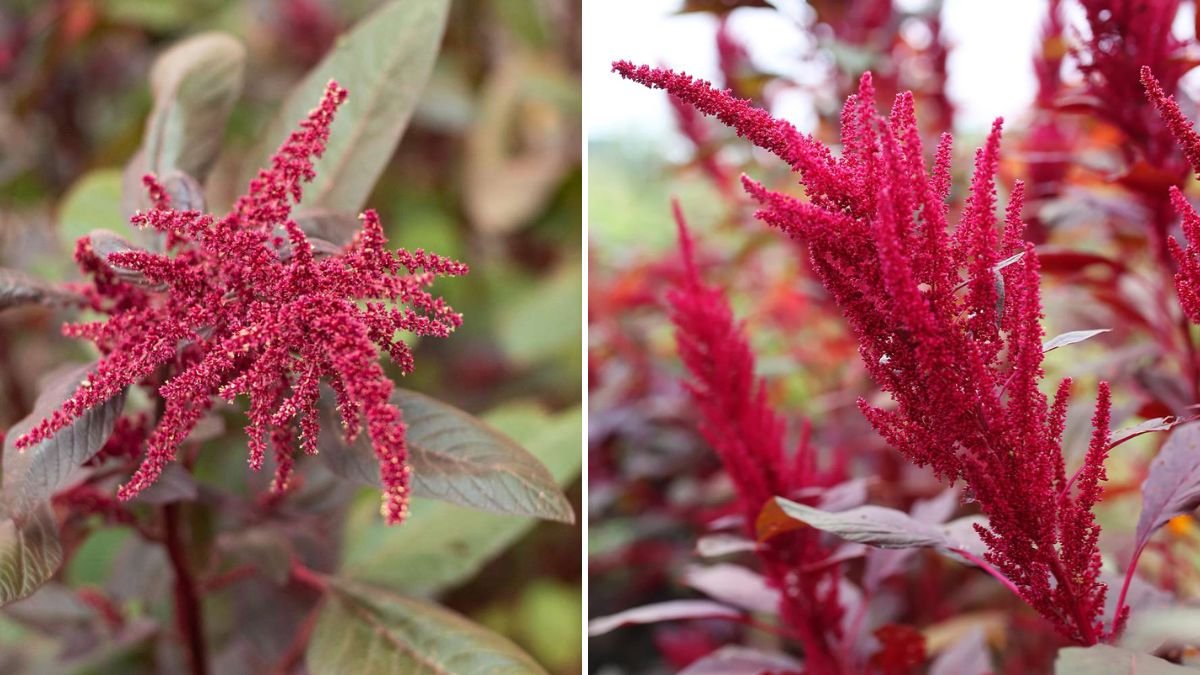
Amaranthus, commonly known as amaranth, is a beautiful and versatile plant that has gained popularity for its striking colors and unique foliage. The Red variety of amaranth, characterized by its vibrant red leaves and flowers, adds an eye-catching element to any garden, making it a fabulous choice for both ornamental and practical gardening. In this article, we will explore everything you need to know about successfully growing Amaranthus Red variety, covering its benefits, planting, caring, common pests, and much more.
1. Understanding Amaranthus
1.1 What is Amaranthus?
Amaranthus belongs to the family Amaranthaceae and consists of more than 60 species. It is celebrated not only for its ornamental appeal but also for its nutritional value. The Red variety stands out for its vibrant foliage, which can range from deep crimson to rich burgundy.
1.2 Benefits of Growing Amaranthus
- Aesthetic Appeal: The lush foliage and vibrant flowers make amaranth a stunning addition to any landscape.
- Nutritional Value: Amaranth leaves are highly nutritious, rich in vitamins A and C, and can be eaten as a leafy green.
- Drought Resistant: This plant is known for its tolerance to drought, making it ideal for various climate conditions.
2. Growing Conditions
2.1 Climate
Amaranth thrives in warm climates and is frost-sensitive. Ideally, it should be planted when temperatures remain consistently above 50°F (10°C). The plant enjoys plenty of sunlight, flourishing in areas that receive at least 6-8 hours of sunlight daily.
2.2 Soil Requirements
Amaranth is not particularly fussy about soil but performs best in well-draining, loamy soil rich in organic matter. A pH range of 6.0 to 7.0 is ideal. Work in some compost or well-rotted manure to enhance soil fertility.
3. Planting Amaranthus Red Variety
3.1 When to Plant
The best time to plant Amaranthus Red is in the spring after the last frost date in your area. If you live in a warmer climate, you can also start planting in early summer.
3.2 Seed Sowing
- Seeds: Purchase high-quality seeds from a reputable source.
- Direct Sowing: Space seeds about 12 inches apart in rows 18 inches apart. Sow seeds about ¼ inch deep.
- Transplanting: If starting indoors, transplant seedlings after they develop at least two true leaves. Harden them off for a week before moving them outside.
3.3 Watering
Water the newly sown seeds gently to avoid washing them away. Once the plants are established, ensure they receive about an inch of water each week, especially during dry periods.
4. Care and Maintenance
4.1 Fertilization
Fertilize your amaranth plants with a balanced fertilizer once or twice during the growing season. Look for a fertilizer with equal parts nitrogen, phosphorus, and potassium (NPK).
4.2 Weeding
Regularly monitor your garden for weeds, which can compete for nutrients and water. Use mulch to suppress weed growth and retain soil moisture.
4.3 Pruning
While amaranth does not require excessive pruning, pinching back the tips of the plants will encourage bushier growth and more blooms.
5. Harvesting and Uses
5.1 When to Harvest
Amaranth flowers can be harvested when the blooms are fully open and even when they begin to dry. For leafy greens, harvest regularly to encourage new growth, picking leaves from the bottom and leaving the upper leaves to continue growing.
5.2 Culinary Uses
Amaranth leaves can be added to salads, soups, and stews. The seeds are also edible and can be ground into flour, used in cereals, or cooked similarly to quinoa.
5.3 Ornamental Uses
Besides culinary uses, the Red variety can be used in floral arrangements and as a vivid border plant or centerpiece in garden beds.
6. Common Pests and Problems
6.1 Pests
- Aphids: These small bugs can be controlled by introducing beneficial insects like ladybugs or spraying neem oil.
- Spider Mites: Keep foliage moist to deter these pests. In severe cases, use insecticidal soap.
- Fungal Diseases: Ensure adequate air circulation and avoid overhead watering to prevent powdery mildew.
6.2 Disease Management
- Root Rot: Avoid overwatering and ensure well-draining soil.
- Leaf Spot: Maintain proper plant spacing and remove affected leaves promptly.
7. Propagation
Amaranthus can be propagated by seed or stem cuttings. For seed propagation, allow the flowers to mature and then collect the seeds once they dry.
7.1 Overwintering
In colder climates, amaranth is grown as an annual. However, if you want to save seeds, you can allow a few plants to mature fully and harvest seeds once dry.
8. Artistic Uses
Amaranth can also be used in natural dyeing, as its flowers yield beautiful shades of red. This makes it a great plant not only for gardeners but also for artists and craftspeople.
9. Conclusion
Growing Amaranthus Red variety in your garden can enhance its visual appeal while providing nutritional benefits. By choosing the right location, soil, and care methods, you can cultivate a healthy, vibrant plant that becomes the centerpiece of your garden.
FAQs
1. How tall does Amaranthus Red grow?
Amaranthus Red can grow between 3 to 5 feet tall, depending on the specific variety and growing conditions.
2. Is Amaranthus Red a perennial or an annual plant?
Amaranthus Red is typically grown as an annual, especially in colder climates. It completes its life cycle within a single growing season.
3. Can I grow Amaranthus Red in a container?
Yes, Amaranthus Red can be successfully grown in containers. Ensure the container is large enough (at least 12 inches deep) and has good drainage.
4. Can I eat Amaranthus Red leaves?
Absolutely! The leaves are edible and highly nutritious, often used in salads, soups, or cooked like spinach.
5. How do I prevent pests on my Amaranthus plants?
Maintain good garden hygiene, encourage beneficial insects, and use organic pesticides as necessary while checking plants regularly for signs of pests.
6. What is the best way to store Amaranthus seeds?
Once harvested, store Amaranthus seeds in a cool, dry place in an airtight container. Properly stored seeds can remain viable for several years.
7. How long does it take for Amaranthus Red seeds to germinate?
Amaranthus Red seeds typically take about 7 to 14 days to germinate, depending on the temperature and moisture level of the soil.
By following these guidelines, you’ll be well on your way to cultivating a stunning and nutritious display of Amaranthus Red in your garden!