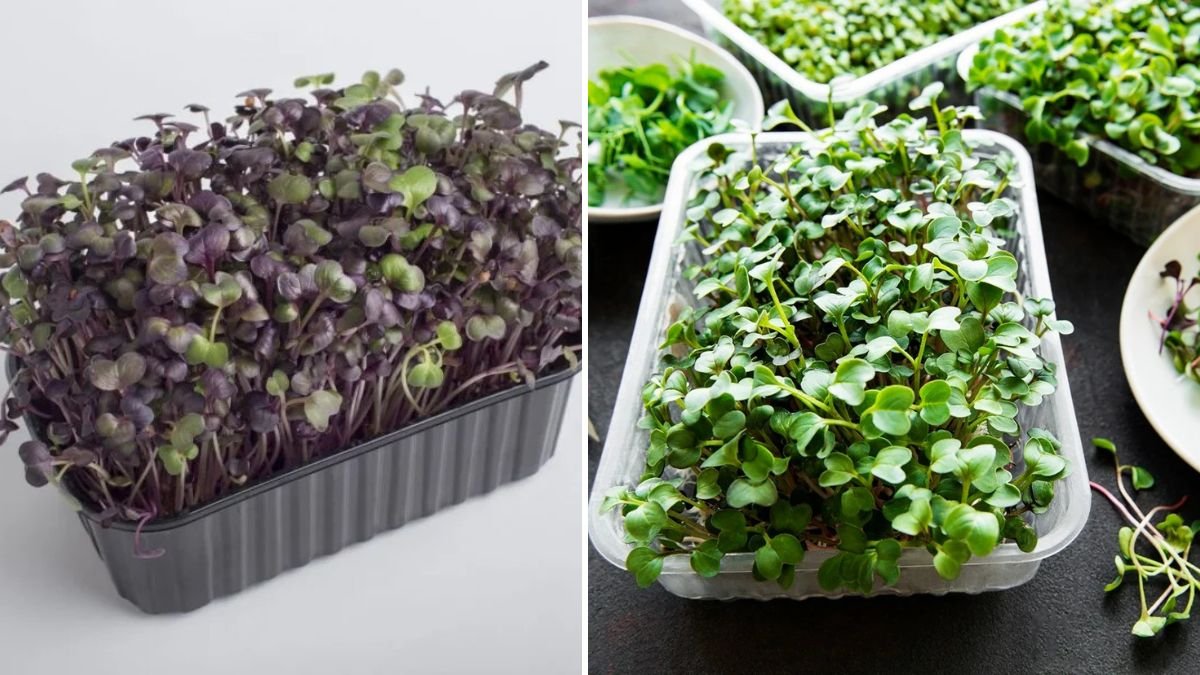
Growing microgreens has gained immense popularity in recent years. These tiny, nutrient-packed plants are easy to cultivate, require minimal space, and can add a burst of flavor to your meals. Among the various types of microgreens, radish microgreens are especially favored for their peppery flavor and vibrant appearance. In this article, we will guide you through a simple method for growing radish microgreens at home, perfect for beginners.
What are Radish Microgreens?
Radish microgreens are the young seedlings of radish plants harvested just after the first true leaves appear. They boast striking colors, typically ranging from light to deep green, depending on the variety. The flavor is sharp and zesty, making them a delightful addition to salads, sandwiches, and wraps. Nutritionally, radish microgreens are rich in vitamins A, C, E, and K, as well as minerals like calcium and magnesium.
Why Grow Radish Microgreens?
-
Ease of Growth: Radish microgreens are among the easiest microgreens to grow, making them ideal for beginners.
-
Quick Turnaround: They typically mature in 7-14 days, allowing you to enjoy homegrown greens in just a short time.
-
Flavor and Versatility: Their distinct flavor enhances a variety of dishes, from salads to garnishes.
-
Nutrient-Rich: They contain higher nutrient levels when harvested as microgreens compared to the mature plants.
-
Space-Efficient: They can be grown in small trays on windowsills or countertops.
Supplies Needed
To start growing radish microgreens, you’ll need the following supplies:
-
Seeds: Look for organic radish microgreen seeds. Common varieties include Daikon or Red Clover.
-
Growing Medium: A good quality, sterile potting soil or a specially formulated growing medium is essential.
-
Containers: Shallow trays (approximately 2-3 inches deep) work best. Ensure they have drainage holes.
-
Water: A spray bottle or gentle watering can is ideal for keeping your seeds moist.
-
Light: A sunny windowsill or a grow light for at least 12-16 hours a day will encourage healthy growth.
-
Plastic Lid or Plastic Wrap: To create a humid environment during germination.
Step-by-Step Growing Method
Step 1: Prepare the Container
-
Choose Your Tray: Select a shallow tray with drainage holes for excess water to escape. If you don’t have a tray with holes, you can use a second tray underneath to catch any water runoff.
-
Add the Growing Medium: Fill the tray with your growing medium and level it out to create an even surface, leaving about half an inch to the top.
-
Moisten the Soil: Lightly spray the soil with water until it is damp but not soaked. This will create an ideal environment for seed germination.
Step 2: Sow the Seeds
-
Sowing: Sprinkle your radish seeds evenly over the moistened surface of the soil. Aim for a dense concentration, as microgreens are typically planted thicker than traditional crops.
-
Press Down: Gently press the seeds into the soil with your hand or a flat surface to ensure good contact with the medium.
Step 3: Cover and Germinate
-
Cover Seeds: Lightly cover the seeds with a thin layer (around 1/8 inch) of the growing medium.
-
Create Humidity: To retain moisture, cover the tray with a plastic lid or plastic wrap. This also generates a greenhouse effect, which encourages germination.
-
Dark Environment: Place the covered tray in a dark, warm area for the next few days (around 70°F). This will help the seeds germinate.
Step 4: Watering
-
Remove Cover: After about 3-5 days, once you see green sprouts emerging, remove the plastic cover to allow light exposure.
-
Water Gently: If the soil appears dry, mist it lightly with water. Be careful not to overwater, as saturated soil can lead to mold growth.
Step 5: Providing Light
- Adjust Lighting: If you are using a windowsill, rotate the tray every few days to ensure even growth. If using grow lights, keep them about 2-4 inches above the plants and maintain a 12-16 hour light schedule.
Step 6: Harvest
-
Timing: Radish microgreens are typically ready for harvest in 7-14 days, depending on the variety and growing conditions. They should be about 2-4 inches tall and have developed their true leaves.
-
Harvesting: Use sharp scissors to cut the microgreens just above the soil surface. Rinse them gently under cold water to remove any soil particles.
Step 7: Enjoy Your Microgreens
-
Storing: Store unwashed microgreens in a sealed container in the refrigerator. They generally stay fresh for about a week.
-
Serving Ideas: Incorporate your radish microgreens into salads, on top of sandwiches, in wraps, or as a garnish for soups.
Tips for Success
-
Avoid Overcrowding: If starting multiple trays, ensure there is enough space between them for air circulation to prevent mold.
-
Airflow: A fan can help circulate air around your growing microgreens, reducing the risk of mold.
-
Consistent Temperature: Keep your growing trays in a stable temperature environment. Extreme fluctuations can affect growth.
-
Experiment with Varieties: Explore different types of radish seeds for unique flavors and colors.
-
Record Keeping: Maintain a simple journal of your planting dates, growth rates, and any challenges faced. This will help improve your future growing efforts.
FAQs
Q1: Do I need any special equipment to grow radish microgreens?
No, you don’t need any special equipment. Basic supplies like a tray, potting soil, and seeds are all you need to get started.
Q2: Can I grow radish microgreens indoors?
Yes, radish microgreens thrive indoors, especially on a sunny windowsill or under a grow light.
Q3: How often should I water my microgreens?
Watering should be done as needed to keep the soil consistently moist. Using a spray bottle helps prevent over-saturation.
Q4: Are radish microgreens suitable for everyone?
While radish microgreens are generally safe and healthy for most people, those allergic to radishes or related plants should avoid them.
Q5: How long do radish microgreens last after harvesting?
Freshly harvested radish microgreens can last about a week if stored properly in the refrigerator.
Q6: Can I eat the roots of radish microgreens?
Yes, the roots are edible, and many people enjoy the crunchy texture they add to dishes.
Q7: What’s the best way to incorporate radish microgreens into my diet?
Radish microgreens can be used in salads, sandwiches, wraps, smoothies, and as garnishes to enhance the flavor and visual appeal of your dishes.
Conclusion
Growing radish microgreens at home is a rewarding experience that offers fresh, nutritious greens in a matter of days. By following this straightforward method, beginners can cultivate their own microgreens and explore the exciting world of home gardening. Whether you enjoy them on their own or incorporate them into your favorite dishes, radish microgreens are a delicious and healthful addition to your diet. So gather your supplies and start your microgreen journey today!