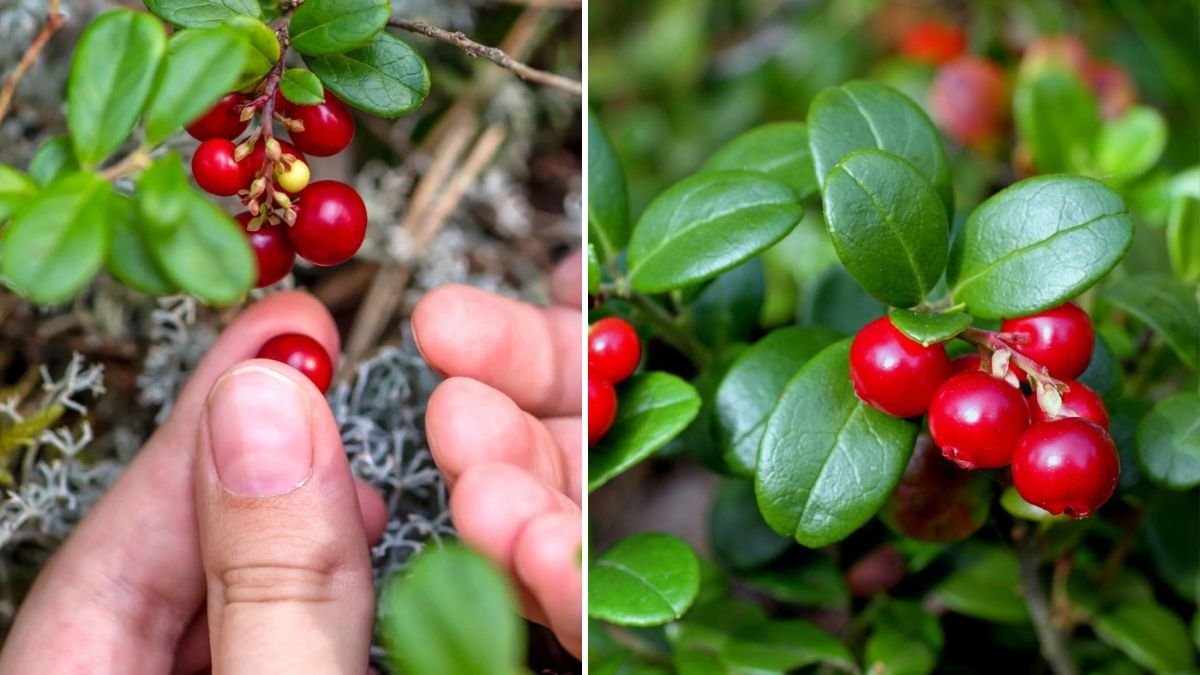
Growing lingonberries (Vaccinium vitis-idaea) indoors during the winter months can be a rewarding endeavor. Known for their tart flavor and vibrant red color, these berries not only add brightness to your meals but also boast numerous health benefits. They are rich in antioxidants and vitamins, making them a popular addition to jams, desserts, and savory dishes. Here’s a comprehensive guide to cultivating lingonberries indoors during the winter, ensuring a fruitful and delicious harvest.
Understanding Lingonberries
Before you start, it’s essential to understand the plant. Lingonberries are evergreen shrubs native to the northern hemisphere, particularly in boreal forests. They thrive in acidic, well-drained soils and prefer cool temperatures, making them suitable for indoor growth during the colder months. Indoor cultivation allows you to control environmental factors like temperature, light, and humidity, which can be challenging outdoors.
Selecting the Right Varieties
Lingonberries come in various cultivars. Some popular choices include:
- Erntedank: Known for its high yield and resilience.
- Red Pearl: Slightly sweeter and excellent for fresh consumption.
- Sanna: A compact variety suited for potting.
When choosing a variety, consider your taste preferences and the growing conditions in your home.
Preparing for Cultivation
1. Choosing Containers
Selecting the right container is crucial for the success of your indoor lingonberry plants. Opt for pots that are at least 12 inches in diameter with drainage holes to prevent waterlogging. Hanging baskets can also create a striking display while offering adequate drainage.
2. Soil Type
Lingonberries thrive in acidic soil with a pH between 4.5 and 5.5. Use a mixture of potting soil, peat moss, and perlite to ensure good aeration and drainage. You might also consider specific ericaceous (acidic) potting mixes designed for blueberries and similar plants.
3. Location and Light
Lingonberries prefer full sun, meaning they need at least 6 hours of bright light daily. If natural light is limited in your home, consider using grow lights to supplement. A south-facing window is typically the best location. Ensure that the plants are rotated regularly to promote even growth.
Planting Lingonberries
1. Seed vs. Starter Plants
You can grow lingonberries from seeds or purchase young plants from a nursery. While starting from seeds is cost-effective, it requires patience, as germination can take several weeks. On the other hand, opting for starter plants offers the advantage of quicker results.
2. Planting Process
If starting from seeds:
- Soak the seeds in water for 24 hours.
- Prepare the soil mix, then sow the seeds at a shallow depth (about 1/8 inch).
- Keep the soil consistently moist and cover it with plastic wrap or a humidity dome until germination occurs.
If using starter plants:
- Fill the pot with the prepared soil mix.
- Dig a hole slightly larger than the root ball of the plant.
- Place the plant in the pot, fill around it with soil, and water thoroughly.
Watering and Fertilization
Lingonberries need consistent moisture but dislike soggy soil. Water them regularly, allowing the top inch of soil to dry out between watering. In winter, you may need to water less frequently due to lower light levels.
For fertilization, use a balanced fertilizer (such as a 10-10-10) diluted to half strength during the growing season (spring and summer). Avoid fertilizing in winter to prevent excessive growth at an inappropriate time for the plant.
Maintaining Optimal Growing Conditions
1. Temperature
Lingonberries prefer cool temperatures. Ideally, keep indoor temperatures between 60°F and 70°F during the day and slightly cooler at night. This range mimics their natural habitat and promotes healthy growth.
2. Humidity
Lingonberries enjoy high humidity, which can be a challenge indoors, especially during winter when heating systems dry out the air. To maintain adequate humidity:
- Mist the plants regularly.
- Place trays of water near the plants or use a humidifier.
- Group pots together to create a micro-environment with higher humidity.
3. Pollination
While lingonberries can self-pollinate, cross-pollination can enhance fruit set and yield. If you only have one plant, you can aid pollination by gently shaking it or using a small brush to transfer pollen between flowers.
Pruning and Care
Pruning is essential for maintaining the health and productivity of your lingonberry plants. Here’s how to do it:
- Prune in late winter or early spring, before new growth begins.
- Remove dead, damaged, or crossing branches to improve air circulation.
- Thin out overcrowded branches to encourage sunlight penetration.
Regularly check for pests, such as aphids and spider mites. If detected, treat them with insecticidal soap or neem oil.
Harvesting Your Lingonberries
Lingonberries will typically bear fruit in their second or third year after planting. The berries will ripen in late summer to early fall, turning bright red.
To harvest:
- Use scissors or garden shears to snip the berries from the stem gently.
- Handle the berries carefully to avoid bruising.
Lingonberries can be stored in the refrigerator for a few weeks or frozen for longer preservation. The tart flavor lends itself well to jams, jellies, and sauces.
Troubleshooting Common Issues
1. Yellowing Leaves
If the leaves turn yellow, it could indicate overwatering or a nutrient deficiency. Ensure your soil drains well and check that you haven’t been over-fertilizing.
2. Poor Fruit Set
Low fruit production can be caused by insufficient light or lack of pollination. Consider supplementing with grow lights or hand-pollinating to improve fruit set.
3. Pest Infestations
Monitor for pests diligently, especially spider mites and aphids. Take immediate action by using appropriate pest control measures to prevent significant damage.
FAQs
1. Can I grow lingonberries indoors year-round?
Yes! Lingonberries can thrive indoors if provided with the right conditions, including proper light, humidity, and temperature.
2. How often should I fertilize my lingonberries?
Fertilize every few weeks during the growing season, but avoid fertilizing during the winter months. Use a diluted balanced fertilizer for best results.
3. Do I need more than one plant for pollination?
While lingonberries are self-pollinating, having more than one plant can enhance fruit set due to cross-pollination.
4. What is the best way to store lingonberries?
Fresh lingonberries can be stored in the refrigerator for a few weeks. For longer storage, freeze them in airtight containers.
5. Are lingonberries difficult to grow?
With the right care and conditions, lingonberries are relatively easy to grow indoors. Proper watering, light, and maintaining soil acidity are key factors for success.
Conclusion
Growing lingonberries indoors during the winter months is not only possible but also enjoyable. With the right preparation, care, and attention, you can enjoy a bountiful harvest of these nutrient-rich berries in the comfort of your own home. Whether using them in recipes or savoring them fresh, your efforts will reward you with delicious and healthful fruits all winter long.