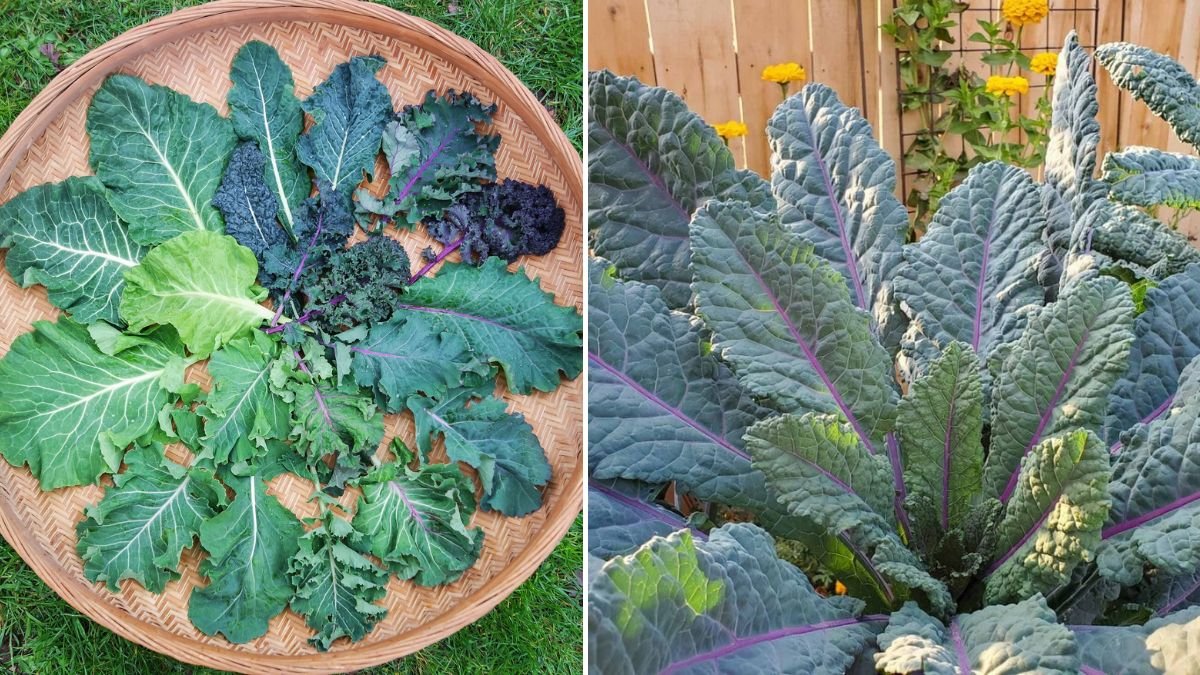
Kale has surged in popularity over the past few years, and for good reason. Packed with vitamins, minerals, and antioxidants, kale is a nutritional powerhouse that can easily be incorporated into various dishes. One of the most rewarding ways to enjoy this superfood is by growing tender baby leaves at home. Not only is it cost-effective, but cultivating your own kale can be fun and highly satisfying. This article will guide you through the simple method of growing kale baby leaves, from selection to harvest, ensuring a continuous supply of fresh greens right in your kitchen.
Why Grow Baby Kale?
- Nutritional Benefits: Baby kale is rich in vitamins A, C, and K, as well as calcium and iron. Its tender leaves are often milder in flavor than mature kale, making it more versatile for salads, smoothies, and other dishes.
- Space Efficient: Growing kale indoors or on a small patio makes it a perfect choice for gardeners with limited space.
- Quick Growth: Kale baby leaves can be harvested within 25 to 35 days after sowing, allowing for quick rewards.
- Cost-Effective: Growing your own greens reduces grocery bills, especially when kale is often sold at premium prices.
- Freshness: There’s nothing quite like the taste of fresh, organic greens harvested from your own home.
Choosing the Right Variety of Kale
Several varieties of kale are suitable for growing baby leaves, including:
- Lacinato Kale: Also known as Dinosaur or Tuscan kale, this variety has dark green, bumpy leaves and a sweet flavor.
- Curly Kale: Characterized by its ruffled leaves, curly kale is often found in grocery stores and is easy to grow.
- Red Russian Kale: With its striking red veins and tender leaves, this variety adds color to your garden and plate.
Selecting Seeds
When choosing seeds, look for organic and heirloom varieties if possible. Organic seeds ensure that you’re not starting with chemically treated products, while heirloom seeds often provide richer flavors and better adaptability.
The Essential Growing Conditions
Light
Kale prefers full sun, but it can thrive in partial shade, especially during the hotter months. Aim for at least 4-6 hours of sunlight daily. If you’re growing kale indoors, consider using grow lights to provide adequate illumination.
Soil
Rich, well-draining soil is crucial for kale growth. A soil pH between 6.0 and 7.0 is ideal. You can enhance your garden soil by adding compost or other organic matter, which improves its nutrient content and structure.
Watering
Kale loves moisture and will thrive in consistently moist conditions. However, be careful not to overwater, as this can lead to root rot. Water your kale whenever the top inch of soil feels dry to the touch.
Step-by-Step Guide to Growing Baby Kale
1. Sowing Seeds
- Choose Your Container: If growing indoors, choose containers that are at least 4-6 inches deep. For outdoor gardening, opt for raised beds or traditional garden plots.
- Seed Depth: Sow seeds about ¼ inch deep and 2 inches apart. If you’re planting in rows, space the rows about 12 inches apart.
- Germination: Keep the soil moist and cover with a light cloth to maintain humidity. Germination usually occurs within 5-10 days.
2. Thin Seedlings
Once the seedlings have developed their first true leaves (about 2-3 inches tall), thin them out to avoid overcrowding. Remove the weakest plants, leaving the strongest ones spaced about 4 inches apart.
3. Fertilization
Kale grows best with regular feeding. Use a balanced organic fertilizer once every 2-4 weeks. Compost tea or liquid kelp are excellent options that provide essential nutrients without chemical additives.
4. Pest Control
Watch for common pests such as aphids, caterpillars, and slugs. You can prevent most infestations by:
- Keeping your garden clean and free of debris.
- Inspecting plants regularly for signs of pests.
- Using natural deterrents like neem oil or insecticidal soap.
Harvesting Kale Baby Leaves
The best part of growing kale baby leaves is harvesting. To ensure continuous growth, you should harvest the outer leaves first, allowing the inner leaves to continue developing. Aim to harvest baby leaves when they are about 3-4 inches tall. Use clean, sharp scissors or garden shears to cut leaves just above the stem. This method allows the plant to keep producing more leaves throughout the season.
Storing Kale
Freshly harvested baby kale is best used immediately for optimal freshness and flavor. However, if you need to store it, place the leaves in a damp cloth or a perforated plastic bag and refrigerate. Properly stored, kale can last up to a week.
FAQs
1. How long does it take to grow baby kale?
Typically, baby kale can be ready for harvest 25 to 35 days after sowing, depending on the variety and growing conditions.
2. Can I grow kale indoors?
Yes, kale can be successfully grown indoors as long as it receives adequate light. Consider using grow lights if natural sunlight is insufficient.
3. What is the best time to plant kale?
Kale is a cool-season crop that can be planted in early spring or late summer for a fall harvest. It can even withstand light frosts, which may enhance its flavor.
4. How much watering do kale plants need?
Kale loves moisture but hates soggy soil. Water deeply when the top inch of soil is dry, ensuring that the water reaches the root zone.
5. What diseases should I watch for?
Common diseases affecting kale include downy mildew and powdery mildew. Providing good air circulation and avoiding overhead watering can help prevent these issues.
6. Can I grow kale from kitchen scraps?
While it’s possible to regrow kale from the stem, it’s not the most efficient method for obtaining baby leaves. Starting from seeds yields the best results.
7. Do I need to use pesticides?
Kale can be susceptible to pests but generally can be managed organically. Regular monitoring and natural deterrents are often sufficient.
Conclusion
Growing tender kale baby leaves at home is a simple yet rewarding endeavor. With a little attention to their growing conditions, you can enjoy fresh, nutritious greens at your fingertips. Whether you make salads, smoothies, or cooked dishes, home-grown kale can enhance your meals while providing a sense of achievement. So why not start your small kale garden today? It’s a step towards healthier eating and sustainable living!