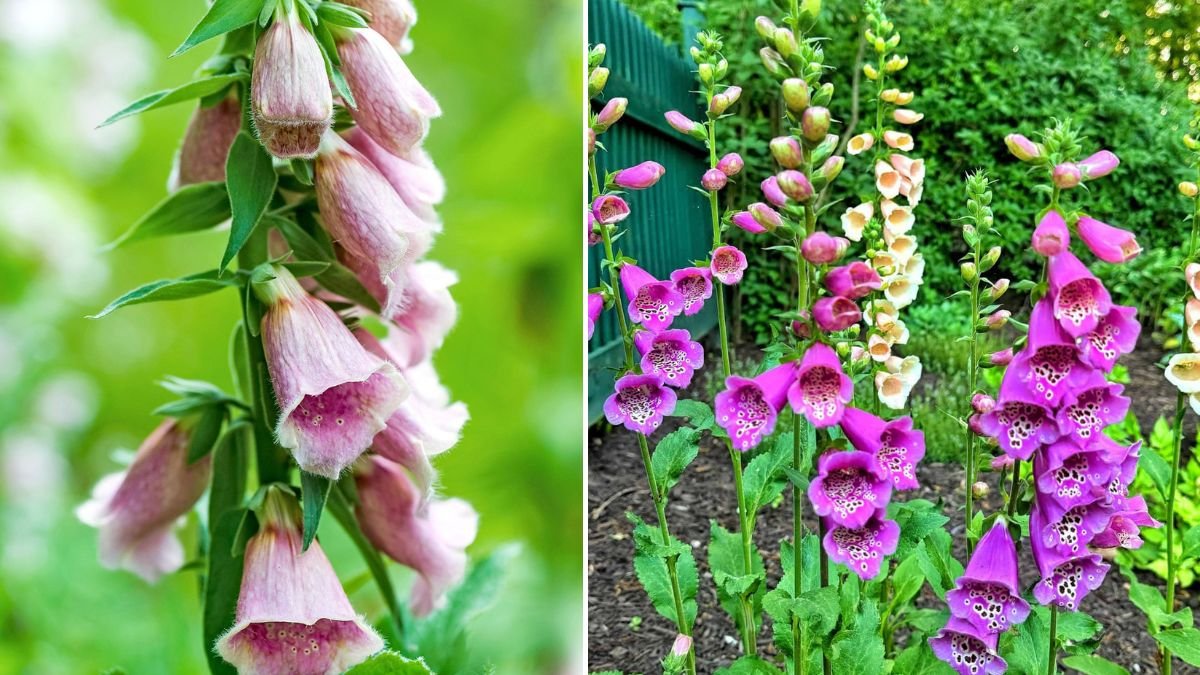
Foxglove (Digitalis purpurea) is a biennial flower celebrated for its stunning, tubular blooms and its ability to create a dramatic visual impact in gardens. These plants thrive in various conditions, making them a popular choice for home gardeners. With their tall spires covered in bell-shaped flowers, foxgloves add elegance and charm to any garden setting. In this article, we’ll explore a simple method for cultivating these beautiful flowers at home, from choosing the right location to proper care and maintenance.
Understanding Foxglove Plants
Biannual Nature
Foxgloves are biennial plants, meaning they typically take two years to complete their lifecycle. In the first year, they focus on vegetative growth. They produce foliage that will serve as the foundation for their flowering in the second year. During this time, the plants develop a rosette of leaves at the base.
In the second year, foxgloves generate stunning flower spikes that can reach heights of 6 feet (1.8 meters) or more. The flowers bloom from late spring to early summer, attracting bees and other pollinators.
Varieties of Foxglove
There are several varieties of foxgloves, each with unique colors and flower shapes. Some popular varieties include:
- Digitalis purpurea: The classic purple foxglove with tall spikes.
- ‘Alba’: A white flowering variety that stands out in any garden.
- ‘Foxy’: Compact versions ideal for smaller gardens or container planting.
- ‘Camelot’: A hybrid variety featuring a wide range of colors.
Choosing the Right Location
Soil Requirements
Foxgloves thrive best in well-drained soil that is rich in organic matter. A slightly acidic to neutral pH (around 6.0-7.0) is ideal. Before planting, consider conducting a soil test to determine its pH and nutrient levels. You can amend the soil with compost or well-rotted manure to enhance fertility.
Sunlight Needs
While foxgloves can tolerate some light shade, they prefer partial to full sun. A location that receives at least six hours of sunlight daily will encourage robust growth and more vibrant blooms. In hotter climates, it’s best to provide some afternoon shade to prevent scorching.
Spacing Considerations
Foxgloves can grow quite large, so adequate spacing is essential for proper air circulation and light exposure. Plan to space plants about 12 to 18 inches apart to allow for their mature size and to reduce the risk of fungal diseases.
Sowing Seeds
Timing
Start sowing seeds indoors 8-10 weeks before the last expected frost date in your area. Alternatively, you can sow seeds directly into the garden in late spring or early summer.
Seed Preparation
Foxglove seeds are tiny and should not be buried deeply. Lightly press the seeds into the surface of the soil before watering gently. If starting indoors, use a seed-starting mix to ensure a light and fluffy medium for germination.
Germination
Seeds will typically germinate in 14-21 days. Keep the soil consistently moist but not soggy during this period. Once seedlings have developed true leaves, consider thinning them to prevent overcrowding, allowing the healthiest plants to thrive.
Transplanting Seedlings
Hardening Off
If you started your seeds indoors, it’s essential to harden off the seedlings before transplanting them outdoors. Gradually expose them to outdoor conditions over a week, increasing their time spent outside daily. This process reduces transplant shock and promotes healthy growth.
Transplantation Process
- Choose a cloudy day to transplant to minimize stress on the seedlings.
- Dig holes that are slightly larger than the root ball of each seedling.
- Carefully transfer the seedlings to their new location, ensuring that the crown of the plant is level with the soil surface.
- Water thoroughly after transplanting to help settle the soil and reduce air pockets.
Caring for Foxglove Plants
Watering
Foxgloves prefer consistently moist soil but are susceptible to root rot if overwatered. Water them deeply during dry spells, ensuring the top inch of soil dries out between watering sessions. Mulching around the plants can help retain moisture and suppress weeds.
Fertilization
A balanced, slow-release fertilizer applied in early spring can encourage vigorous growth and flowering. Alternatively, you can use compost as a natural fertilizer to enrich the soil.
Pest and Disease Management
While foxgloves are generally hardy, they may face pests like aphids or spider mites. Regular monitoring and early intervention can help manage these issues. Fungal diseases can be prevented by ensuring proper spacing, adequate airflow, and avoiding overhead watering.
Pruning and Deadheading
After flowering, remove spent blooms to encourage the plant to focus its energy on root and leaf development for the following year. In most cases, foxgloves will self-seed, providing a natural regeneration for future blooms.
Enjoying the Blooms
Once your foxgloves begin to flower, they will provide striking visuals in your garden. These plants are perfect for mixed borders, cottage gardens, and even containers. Their tall spikes add vertical interest and can create a stunning backdrop for shorter flowering plants.
Companion Planting
Consider pairing foxgloves with other plants that enjoy similar growing conditions:
- Aconitum: Also known as monkshood, provides a beautiful contrast in color and height.
- Geraniums: Hardy geraniums can help fill in the gaps.
- Hydrangeas: Their round blooms contrast nicely with the spires of foxgloves.
Saving Seeds for Future Planting
If you wish to propagate your foxgloves, you can collect seeds once the flowers have faded and dried. Use a paper bag to catch the seeds as they drop from the pods. Store them in a cool, dry place until the next planting season.
FAQs
1. Are foxglove plants toxic?
Yes, all parts of the foxglove plant are toxic if ingested, containing compounds that can affect heart function. Ensure you keep these plants away from pets and small children.
2. Can foxgloves grow in containers?
Absolutely! Foxgloves can thrive in containers provided they have enough space for root development. Use a pot with drainage holes and ensure you have rich potting soil.
3. How long do foxgloves bloom?
Foxgloves typically bloom from late spring to early summer, lasting for several weeks. The blooms can provide beautiful color and attract pollinators during this time.
4. Do foxgloves require winter protection?
In most regions, foxgloves are hardy and do not require special winter protection. However, mulching can help protect the roots from extreme cold.
5. What should I do if my foxgloves don’t flower?
If your foxgloves are healthy but not flowering, consider factors such as inadequate sunlight, nutrient levels, or overcrowding. Adjusting these conditions can often promote blooming.
6. Can I grow foxgloves in shade?
While foxgloves can tolerate some shade, they typically perform best in partial to full sun. Insufficient sunlight can lead to stunted growth and reduced flowering.
Final Thoughts
Cultivating stunning foxglove biennial flowers at home is a rewarding experience that adds beauty and diversity to any garden. By following the simple methods outlined in this article, you can enjoy these magnificent blooms for years to come. With proper care and attention, your foxgloves can thrive, creating a magical landscape filled with color and life. Whether you’re a seasoned gardener or a beginner, incorporating foxgloves into your garden will surely enhance its aesthetic and ecological value.