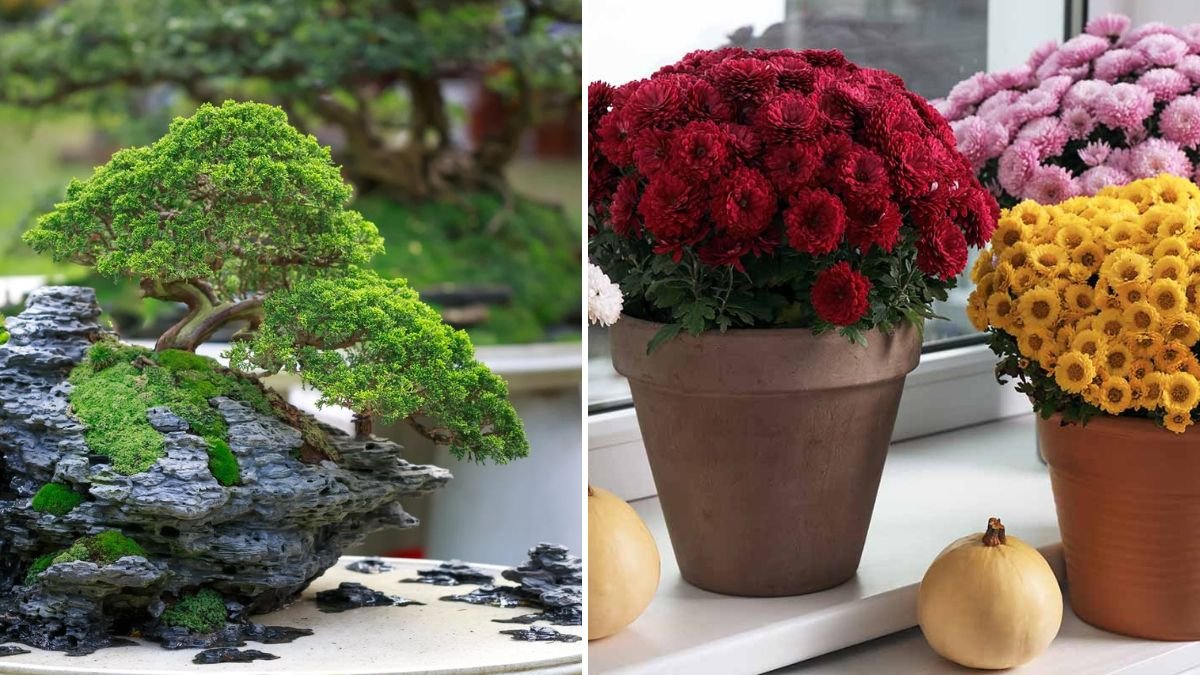
Chrysanthemum bonsai, a beautiful fusion of nature’s artistry and horticultural skill, captivates many plant enthusiasts with its vibrant colors and intricate forms. Cultivating these stunning miniature trees indoors offers several rewards, from aesthetic appeal to an enriching hobby. This guide delves into the comprehensive techniques necessary for successfully growing indoor chrysanthemum bonsai, ensuring you enjoy and admire their beauty throughout the seasons.
Understanding Chrysanthemum Bonsai
What is Chrysanthemum Bonsai?
Chrysanthemum bonsai refers to the art of cultivating specific varieties of chrysanthemums in a bonsai form. The flowers come in various colors and growth habits, offering an opportunity for unique expressions of shape and style. Chrysanthemums are not just visually appealing; they are also steeped in cultural significance in many parts of the world.
The Importance of Choice in Species
Choosing the right variety is crucial for successful indoor culture. Some popular varieties include:
- Button Chrysanthemums: Known for their small, densely packed flowers, best for compact bonsai designs.
- Single Chrysanthemums: Feature prominent central blooms, offering a distinct look.
- Disbudded Cultivars: Larger flowers with an elongated blooming period, ideal for stunning displays.
When selecting a variety, consider its mature size, flowering habits, and suitability for indoor environments.
Essentials for Cultivating Indoor Chrysanthemum Bonsai
1. Soil Requirements
Chrysanthemums prefer well-draining soil with good aeration. A mixture of potting soil and perlite or sand achieves optimal drainage, preventing root rot while still retaining moisture. This blend encourages healthy root development and robust flowering.
2. Pot Selection
Select pots with drainage holes to prevent water accumulation. The pot’s size should correspond to the plant’s size, allowing for growth but not too much extra space, which encourages excessive root growth. Shallow pots are often favored for bonsai due to their ability to limit root expansion and maintain a compact shape.
3. Light Conditions
Chrysanthemums thrive in bright, indirect sunlight. Aim for at least six hours of lighting per day. Direct sunlight can scorch the leaves, while inadequate light can result in leggy growth and poor flowering. Consider using grow lights if natural light is insufficient, especially in winter months.
4. Temperature and Humidity
These plants prefer moderate temperatures, ideally between 65°F to 75°F (18°C to 24°C). Sudden temperature fluctuations can stress the plant and impact flowering. Maintain humidity levels of 40% to 70% for optimal growth. This can be achieved through the use of humidity trays or regular misting.
5. Watering Techniques
Watering is critical and should be performed cautiously. Check the top inch of the soil; if it feels dry, it’s time to water. Overwatering can lead to root rot, while underwatering can cause drooping leaves. It’s better to err on the side of slightly underwatering.
6. Fertilization Strategy
Frequent feeding is essential, especially during the growing season (spring through early autumn). Use a balanced fertilizer every two weeks. Dilute the fertilizer to half the recommended strength to avoid overwhelming the roots. A phosphorus-rich formula can encourage blooming, enhancing flower production.
Pruning and Shaping Techniques
1. Understanding Pruning
Pruning is vital in bonsai cultivation to maintain shape and promote health. Start in early spring, when new growth emerges. Remove dead or yellowing leaves and thin out crowded areas to allow light to penetrate.
2. Pinching and Wiring
Pinching involves removing the growing tips from new shoots to encourage bushier growth. This technique is best done during the growing season. Wiring can also shape your bonsai. Wrap aluminum wire gently around branches, guiding them into desired positions. Be cautious not to damage the bark.
3. Developing the Bonsai Form
To encourage a natural bonsai shape, aim for thick trunks and lush branches. Creating a balanced branching pattern will enhance aesthetics. Regular inspection and slight adjustments during growth will help maintain the desired shape.
Flowering Care
1. Preparing for Bloom
To ensure prolific flowering, appropriate light and nutrition are critical. As blooming approaches, reduce nitrogen levels in fertilizers, emphasizing phosphorus and potassium to boost bloom size and quantity.
2. Timing of Flowering
Chrysanthemums typically bloom in late summer to autumn. Depending on your local conditions, you may want to time growth initiation and forced blooms during specific months to synchronize with indoor displays or events.
3. Post-Bloom Care
Once flowering concludes, lightly prune the spent blooms to encourage new growth but avoid heavy pruning, as this can stress the plant. Provide rest during winter months, decreasing watering and feeding frequency.
Pest Management
1. Identifying Common Pests
Common pests affecting chrysanthemum bonsai include aphids, spider mites, and whiteflies. Regularly inspect your plants for signs of infestation, like yellowing leaves or webbing.
2. Control Procedures
Organic solutions, such as neem oil or insecticidal soap, effectively manage these pests. Avoid chemical pesticides, particularly indoors, as they can harm beneficial insects and pollinators.
3. Maintaining Plant Health
A healthy plant is less susceptible to pests. Regularly inspect and maintain your bonsai’s health to prevent outbreaks. Ensure good airflow around the plant and avoid over-fertilization, which can attract pests.
Frequently Asked Questions (FAQs)
1. How long does it take for chrysanthemum bonsai to flower?
Typically, it takes about 4-6 months from planting for chrysanthemum bonsai to initiate blooming, depending on the variety and care provided.
2. Can I grow chrysanthemum bonsai from seed?
Yes, but it is more common to propagate through cuttings or purchase established plants from nurseries for quicker results.
3. What should I do if my chrysanthemum bonsai is wilting?
Evaluate watering practices. Check if the soil is too dry or overly saturated. Address any lighting or temperature issues as well.
4. Is it possible to keep my chrysanthemum bonsai year-round indoors?
Yes, with proper care, chrysanthemum bonsai can thrive indoors. Ensure they receive adequate light, humidity, and temperature control.
5. How do I increase my bonsai’s size without losing its miniature form?
To maintain a desired size while allowing growth, practice regular pruning and pinching combined with strategic feeding, avoiding excessive root growth in larger pots.
Conclusion
Cultivating indoor chrysanthemum bonsai is an engaging and rewarding endeavor. By understanding their unique requirements and implementing the right techniques, you can create a stunning display that not only beautifies your space but also embodies the patience and artistry characteristic of bonsai cultivation. From proper watering and soil management to pruning and pest control, these steps will ensure success. Happy growing!