Introduction
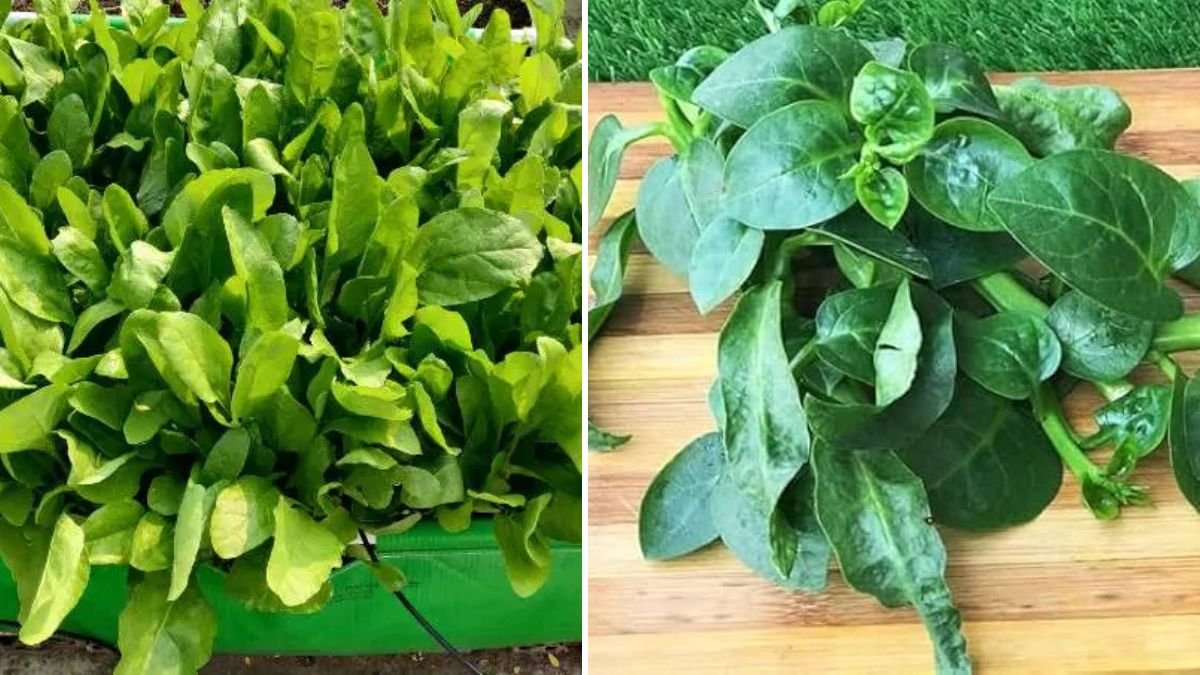
Poi Saag, also known as Amaranth or Chenopodium, is a nutritious leafy green common in many Asian cuisines, particularly in Indian and Southeast Asian cooking. With its vibrant color and rich flavor, it can be a wonderful addition to your home garden and diet. Growing Poi Saag is relatively easy and can be achieved with minimal resources, making it perfect for both seasoned gardeners and beginners alike. This article will guide you through the essential steps to successfully cultivate Poi Saag in your home garden.
Understanding Poi Saag
Nutritional Value
Poi Saag is packed with vitamins A, C, and K, as well as essential minerals like calcium and iron. Its high antioxidant content contributes to overall health and wellness, making it a valuable crop to grow.
Types of Poi Saag
There are various types of Poi Saag, including red, green, and purple varieties. Each type has a distinct flavor profile, and you can choose according to your culinary preference and aesthetic appeal in your garden.
Growing Conditions
Soil Requirements
Poi Saag thrives in well-drained, nutrient-rich soil with a pH range between 6.0 and 7.5. Amending your garden soil with organic matter like compost or well-rotted manure will improve its fertility and structure.
Sunlight and Temperature
Poi Saag prefers full sun but can tolerate partial shade. Ideally, it should receive at least 4-6 hours of direct sunlight daily. The optimal temperature range for growing Poi Saag is between 60°F to 75°F (15°C to 24°C).
Watering Needs
Consistent moisture is vital for Poi Saag. Regular watering helps the seeds germinate and supports healthy plant growth. However, avoid overwatering, as waterlogged conditions can lead to root rot.
Planting Poi Saag
Seed Selection
Choose high-quality seeds from a reliable source. Look for disease-resistant and locally adapted varieties to ensure better growth and yield.
Sowing Seeds
Sow seeds directly in the garden in spring or early summer, once the risk of frost has passed. Here’s how to plant them:
- Prepare the Soil: Loosen the soil and create raised beds if drainage is a concern.
- Sow Seeds: Sow the seeds about 1 inch apart and cover them with 1/4 inch of soil.
- Water Gently: After sowing, water the area gently to avoid displacing the seeds.
Thinning Seedlings
As the seedlings emerge, thin them out to allow sufficient space for growth. Aim for a spacing of 6-10 inches apart, depending on the variety you choose. This prevents overcrowding and ensures each plant receives adequate nutrients and light.
Caring for Poi Saag
Fertilization
Applying a balanced fertilizer can significantly enhance plant growth. Use organic options like bone meal or fish emulsion, applying them every 4-6 weeks during the growing season.
Pest and Disease Management
While Poi Saag is relatively resistant to pests, it’s still important to keep an eye out for common pests like aphids and caterpillars. Employ the following strategies for effective pest control:
- Handpicking: Regularly check your plants and remove any visible pests by hand.
- Neem Oil: Consider using organic neem oil as a natural pesticide.
- Companion Planting: Grow marigolds or basil nearby to deter pests.
Watering Routine
Monitor the moisture levels in the soil. Water when the top inch feels dry, ensuring that the water penetrates deeply to encourage strong root growth. Utilize mulch to keep the soil moist while minimizing weed growth.
Harvesting Poi Saag
When to Harvest
Poi Saag is typically ready for harvest when the leaves are young and tender, about 4-6 weeks after planting. Harvesting in the morning ensures the leaves are crisp and full of flavor.
Harvesting Technique
- Using clean, sharp scissors or garden shears, cut the outer leaves first.
- Leave the inner leaves and growing tip intact to encourage continued growth.
- Only take a few leaves at a time to avoid stressing the plant.
Storing Harvested Leaves
To store your fresh Poi Saag, rinse the leaves in cold water to remove dirt and pests, then spin dry. You can store them in a breathable bag or container in the refrigerator for up to a week.
Cooking with Poi Saag
Poi Saag can be prepared in various ways:
- Stir-fried: Sauté with garlic, onions, and spices for a quick side dish.
- Soups: Add to soups and stews for a nutrient boost.
- Salads: Use fresh leaves in salads for added texture and flavor.
The versatility of Poi Saag makes it a great addition to many meals.
Common Problems and Solutions
Yellowing Leaves
If the leaves start yellowing, it could indicate overwatering or nutrient deficiency. Check the soil’s moisture levels and consider fertilizing with a balanced option.
Scraggly Growth
If the plants appear weak or leggy, this could be due to insufficient sunlight. Ensure that your Poi Saag is receiving adequate light by relocating the planter or trimming back nearby plants.
Pest Infestations
Monitor plants regularly and take prompt action when you notice any pests. Early interventions are essential for mitigating damage.
Conclusion
Growing Poi Saag in your home garden can be a rewarding experience, offering a nutritious and flavorful addition to your meals. With the proper care and attention, you can cultivate this leafy green easily, contributing not only to your health but also to a thriving garden space. Embrace the joys of gardening and the aromatic essence of Poi Saag, and enjoy the fresh produce right from your backyard.
FAQs
1. How long does it take for Poi Saag to reach maturity?
Poi Saag typically takes about 4-6 weeks to reach maturity and be ready for harvest, depending on growth conditions.
2. Can I grow Poi Saag in containers?
Yes, Poi Saag can be successfully grown in containers. Ensure the container has drainage holes and is at least 12 inches deep for root development.
3. How often should I water Poi Saag?
Water Poi Saag regularly, keeping the soil consistently moist but not waterlogged. Generally, watering once every few days is sufficient, depending on weather conditions.
4. Is Poi Saag frost-tolerant?
Poi Saag is not frost-tolerant. It’s best to plant after the last frost date and harvest before the first frost of fall.
5. Can I save seeds from my Poi Saag plants for next season?
Yes, you can save seeds from your Poi Saag plants. Allow some of the plants to flower and form seed heads, and then collect the seeds once they’re dry and fully matured.
By following these guidelines and troubleshooting tips, you can cultivate a healthy and thriving crop of Poi Saag, enhancing your home garden and your meals with this nutritious leafy green. Happy gardening!