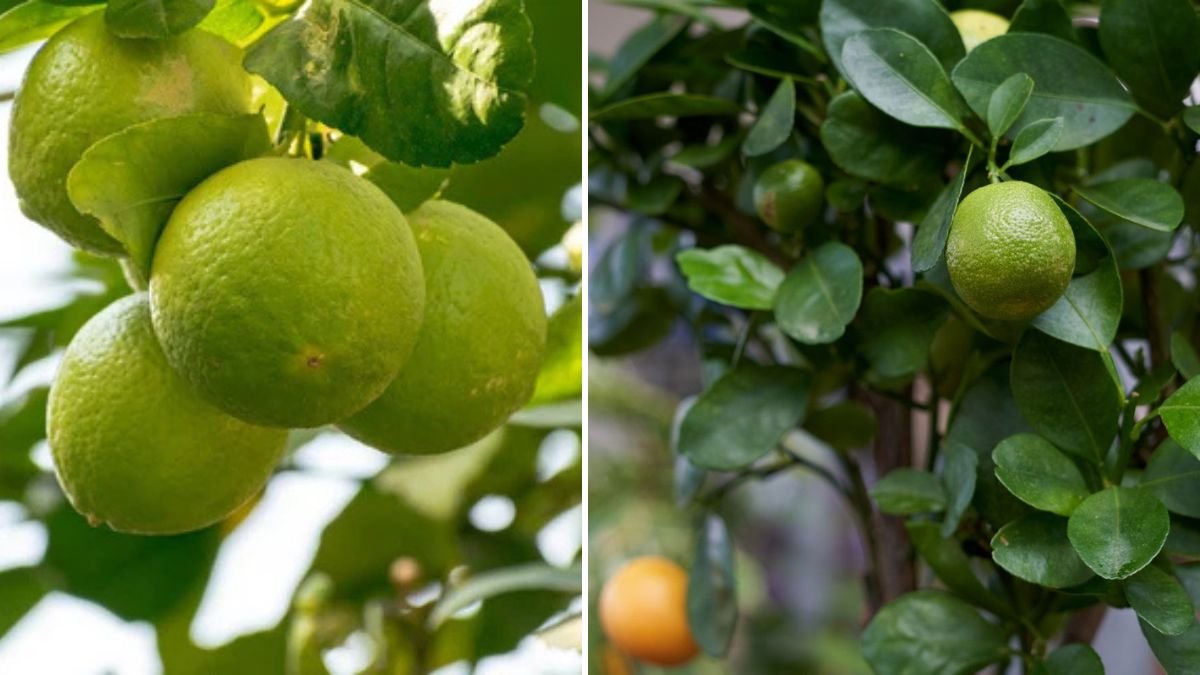
Growing your own Persian lime tree can be a rewarding and fulfilling experience. Not only do you get to enjoy the fresh tangy flavor of limes in your drinks and dishes, but a healthy tree can also provide you with fruit year-round. Here’s a comprehensive guide to help you cultivate a Persian lime tree successfully in your backyard.
Understanding Persian Lime Tree
What is a Persian Lime?
The Persian lime (Citrus latifolia), also known as Tahiti lime, is a seedless variety known for its smooth texture and slightly less acidic flavor compared to other lime varieties. It’s commonly used in cooking, cocktails, and as a garnish. Its attractive glossy leaves and beautifully fragrant flowers also make it a popular ornamental tree.
Why Grow Persian Limes?
- Continuous Fruit Production: Persian lime trees can produce fruit throughout the year under optimal conditions.
- Minimal Care Requirements: They are relatively low-maintenance compared to other fruit trees.
- Versatile Use: Fresh limes can be used in countless recipes and beverages.
Choosing the Right Location
Climate Considerations
Persian lime trees thrive in warm climates and require a hardiness zone of 9-11 in the U.S. They are sensitive to frost, so if you live in a colder area, consider planting them in pots to bring indoors during winter.
Sunlight
Select a location that receives full sun for at least 6-8 hours a day. Limes prefer well-draining, sandy loam soil enriched with organic matter.
Soil Requirements
The best soil for a Persian lime tree is slightly acidic to neutral (pH 6-7). Ensure that the soil drains well; roots sitting in water can lead to root rot. Amend your soil with compost or peat moss to improve drainage and nutrient content.
Planting Your Persian Lime Tree
When to Plant
The best time to plant is during the spring after the last frost has passed. If you’re in a warmer climate, you can plant in the fall, but ensure the tree has enough time to establish itself before cooler temperatures.
Planting Steps
-
Choose the Right Variety: Buy a healthy, disease-free tree from a reputable nursery. Look for grafted trees for better fruit production.
-
Digging the Hole: Dig a hole that is twice as wide and as deep as the root ball. This allows for proper root development.
-
Planting: Place the tree in the center of the hole, ensuring that the root ball is slightly above the soil surface to prevent rot. Backfill with soil and pat down gently.
-
Watering: Water thoroughly after planting to eliminate air pockets. Consider adding mulch around the base to retain moisture and regulate soil temperature.
Care and Maintenance
Watering
Persian lime trees require consistent watering, especially during dry spells. Water deeply once a week, increasing the frequency in hot weather. Avoid overhead watering to prevent fungal diseases.
Fertilizing
Feed your Persian lime tree with a balanced fertilizer (like a 10-10-10 or slow-release citrus fertilizer) every 6-8 weeks during the growing season. Look for fertilizers specifically designed for fruit trees, as they will provide the necessary micronutrients.
Pruning
Pruning is essential for maintaining tree health and shape. Prune your Persian lime tree in late winter or early spring, removing any dead or crossing branches. Thin the canopy to ensure adequate sunlight penetration and air circulation.
Pest and Disease Management
Watch for common pests like aphids, spider mites, and scale. Use insecticidal soap or neem oil to manage infestations. Fungal diseases may also be a concern; avoid wet foliage and consider using fungicides if necessary.
Pollination
While Persian limes are self-pollinating, having multiple trees can increase fruit yield. Ensure that pollinators, such as bees, are present in your garden.
Harvesting Your Limes
When to Harvest
Persian limes typically take about 6-9 months to mature after flowering. They are ready to be harvested when they are a vibrant green color and slightly firm to the touch.
How to Harvest
Gently twist or cut the limes off the tree with pruning shears to avoid damaging the branches. Freshly harvested limes can last up to a week at room temperature or several weeks in the refrigerator.
Troubleshooting Common Issues
Yellow Leaves
Yellowing leaves can indicate nutrient deficiencies or overwatering. Test the soil’s pH and adjust your fertilization schedule as necessary.
Poor Fruit Production
If your tree is not producing fruit, check for proper sunlight exposure, water, and fertilization. Also, assess whether it has been properly pruned to encourage growth.
Leaf Drop
Leaf drop can happen due to environmental stress such as sudden temperature changes or inadequate water. Monitor your watering habits and protect the tree from severe weather.
FAQs About Persian Lime Trees
1. How large do Persian lime trees get?
Persian lime trees can grow up to 15-20 feet tall but can be maintained at a smaller size with regular pruning.
2. Can I grow a Persian lime tree in a pot?
Yes! Persian lime trees adapt well to container gardening. Choose a pot at least 12-14 inches in diameter and use well-draining soil. Be sure to bring the pot indoors during frosty weather.
3. How often should I water my Persian lime tree?
Water deeply once a week, increasing frequency during hot weather. Always check the top inch of soil; if it’s dry, it’s time to water.
4. What is the best fertilizer for Persian lime trees?
Use a slow-release, balanced fertilizer (such as 10-10-10) specifically designed for citrus trees. Fertilize every 6-8 weeks during the growing season.
5. How long does it take for a Persian lime tree to bear fruit?
A Persian lime tree typically takes 3-4 years to begin producing fruit after planting, depending on growing conditions and care.
6. Are Persian limes more resistant to diseases compared to other citrus trees?
While no tree is immune, Persian limes are known for being less susceptible to certain diseases compared to other citrus varieties, but they can still experience issues if not properly cared for.
Conclusion
Cultivating a Persian lime tree in your backyard can yield beautiful results, from its lush foliage to the delicious, zesty limes you’ll enjoy year-round. By following the guidelines provided, you’ll maximize your chances of having a healthy and productive tree. Happy gardening!