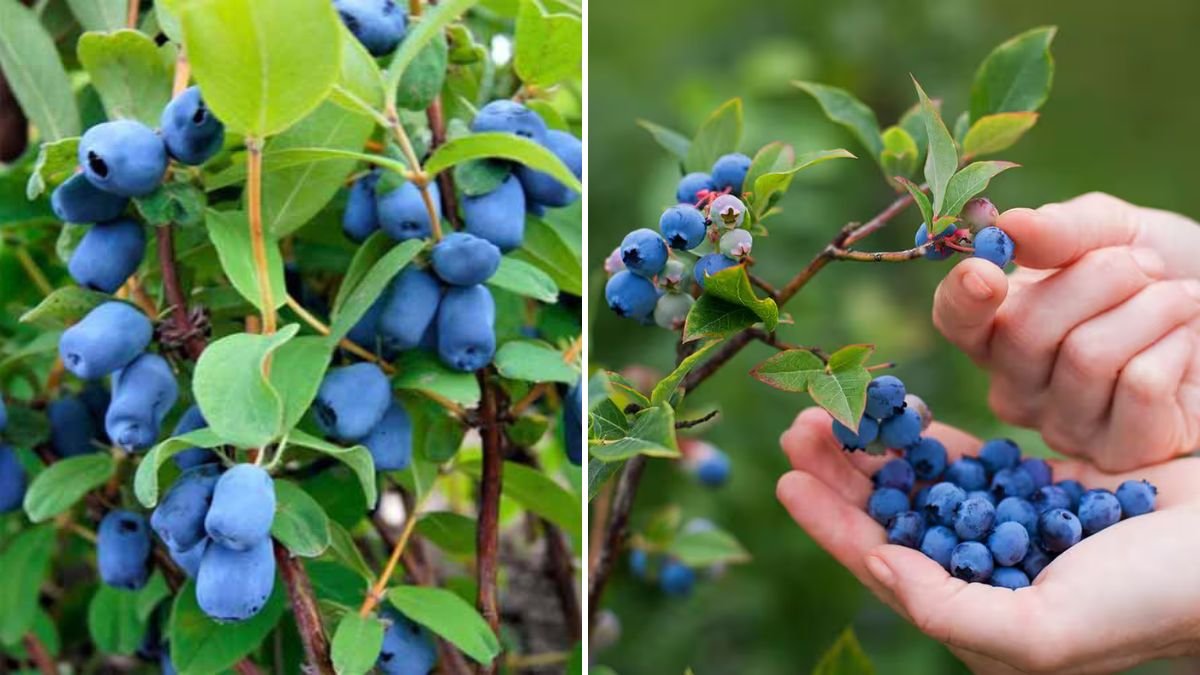
Boreal berries, adapted to the unique conditions of Canada’s boreal forests, are a fantastic choice for backyard gardening in the Canadian climate. These berries not only add beauty to your garden but also provide delicious and nutritious fruits. This guide will walk you through successfully growing boreal berries, ensuring you reap the benefits of these hardy plants.
Understanding Boreal Berries
Boreal berries include a variety of species, such as blueberries, cranberries, blackberries, and huckleberries. They are well adapted to cold climates, thriving in well-drained soils with plentiful sunlight. The key characteristics of boreal berries are their resilience to cold, ability to thrive in acidic soils, and their typically high antioxidant properties—making them a popular choice among health-conscious gardeners.
Choosing the Right Species
When planning your garden, choose species that are well-suited for your specific region in Canada. Here are some excellent options:
-
Blueberries (Vaccinium spp.)
- Hardiness Zones: 3-7
- Prefers acidic soils with a pH of 4.5 to 5.5.
- Varieties:
Northcountry,Northblue, andBluecropare well-suited for colder climates.
-
Cranberries (Vaccinium macrocarpon)
- Hardiness Zones: 2-6
- Requires a wet environment; thrives in sandy or peat soils.
- Best grown in bogs, making them a unique addition to your garden.
-
Huckleberries (Vaccinium spp.)
- Hardiness Zones: 3-7
- Prefers acidic soils and requires similar conditions to blueberries.
-
Serviceberries (Amelanchier alnifolia)
- Hardiness Zones: 3-7
- Can tolerate a variety of soil types and is known for its early spring blooms and edible fruits.
-
Thimbleberries (Rubus parviflorus)
- Hardiness Zones: 3-9
- Thrives in a variety of soils and is resistant to many pests and diseases.
Preparing Your Garden
Site Selection
Choose a location with full sun exposure, as most boreal berry plants require at least 6-8 hours of sunlight a day. Ensure that the area is well-drained; placing plants in a spot that retains water can lead to root rot and other issues.
Soil Preparation
Boreal berries generally prefer acidic, well-drained soils. Here’s how to prepare the soil:
-
Testing Soil pH: Use a soil testing kit to determine the pH level. For blueberries and huckleberries, the ideal range is about 4.5-5.5.
-
Amending Soil: If your soil is too alkaline, mix in elemental sulfur or peat moss to lower the pH. Organic matter, such as compost, can help enhance soil fertility and structure.
-
Drainage: Create raised beds if your soil is heavy clay or tends to retain water. This helps maintain proper drainage, essential for the health of your berry plants.
Planting Your Boreal Berries
Timing
The best time to plant boreal berries is in early spring or fall. This allows the plants to establish roots before the extreme temperatures of winter or summer arrive.
Spacing
Each species has different space requirements:
- Blueberries: Space about 2-3 feet apart to allow for proper airflow.
- Cranberries: Depending on the design of your bog, space them accordingly, typically allowing 2-3 feet between each plant.
- Serviceberries: Space them about 4-5 feet apart.
Planting Steps
- Digging Holes: Dig holes that are twice as wide as the root ball but no deeper than the root ball itself.
- Placing the Plant: Place the plant in the hole, ensuring that the top of the root ball is level with the surrounding soil.
- Backfilling: Fill the hole with a mixture of native soil and compost.
- Watering: Water thoroughly after planting to eliminate air pockets and settle the soil.
Caring for Your Boreal Berries
Watering
Boreal berries require consistent moisture, especially during the first few years of establishment:
- Water young plants regularly. Once established, weather conditions will determine their watering needs.
- Use mulch to retain moisture and suppress weeds.
Fertilizing
- Use an acid-specific fertilizer designed for berries, ideally in early spring before new growth begins.
- Avoid high-nitrogen fertilizers, as they can lead to excessive foliage growth at the expense of fruit.
Pruning
- Prune your berry bushes in late winter or early spring before new growth begins.
- Remove dead or crossing branches to improve air circulation and allow sunlight to penetrate.
- For blueberries, thinning older canes to encourage new growth helps improve yield.
Pest and Disease Control
Boreal berries are generally resistant to many pests, but common issues include:
- Birds: Use netting or scare devices to protect ripening fruit.
- Fungi/Wilts: Maintain good air circulation and avoid overhead watering to reduce the risk of disease. Fungicides may be necessary for severe cases.
Harvesting
Boreal berries typically ripen between mid-summer and early fall, depending on the species:
- Blueberries: Harvest when the berries are fully blue, plump, and sweet.
- Cranberries: Generally, ripe cranberries will float. The best time to harvest is after a frost.
- Huckleberries: Ripen later in the season and should be dark and juicy when picked.
To harvest, gently twist or pull the berries off the stems. Avoid crushing them to maintain quality.
Cooking and Using Boreal Berries
Boreal berries can be enjoyed in numerous ways:
- Fresh Eating: Delicious as snacks, in salads, or added to yogurt.
- Preserves: Make jams, jellies, or syrups.
- Baking: Incorporate into muffins, pies, or cakes.
- Smoothies: Blend with other fruits for a healthy beverage.
Sustainability Considerations
Growing boreal berries in your backyard not only supports biodiversity but also gives you a sustainable source of nutrition. By avoiding chemical fertilizers and pesticides and promoting natural pest control methods, you contribute positively to your local ecosystem.
FAQs
1. How do I choose the right variety of boreal berry for my area?
Check your local hardiness zone and consult with local nurseries to find berry varieties suitable for your climate.
2. What pests should I watch for when growing boreal berries?
Common pests include birds, aphids, and spider mites. Use netting or organic pest control methods to manage them.
3. Can boreal berries grow in containers?
Yes! Many varieties, especially blueberries, do well in containers. Ensure the pot has good drainage and select an acidic potting mix.
4. How can I improve fruit yield on my berry plants?
Ensure they receive adequate sunlight, water, and proper pruning. Using specific fertilizers recommended for berries can also enhance yield.
5. What type of mulch is best for berry plants?
Organic mulches, such as wood chips or straw, help retain moisture and suppress weeds while gradually improving soil quality.
Conclusion
Growing boreal berries in your backyard garden can be a rewarding experience. With their vibrant colors, delectable flavors, and health benefits, these hardy plants offer an abundance of joy and nutrition. By understanding their specific needs for soil, water, and sunlight, along with proper care and maintenance, you’ll ensure successful growth year after year. Happy gardening!