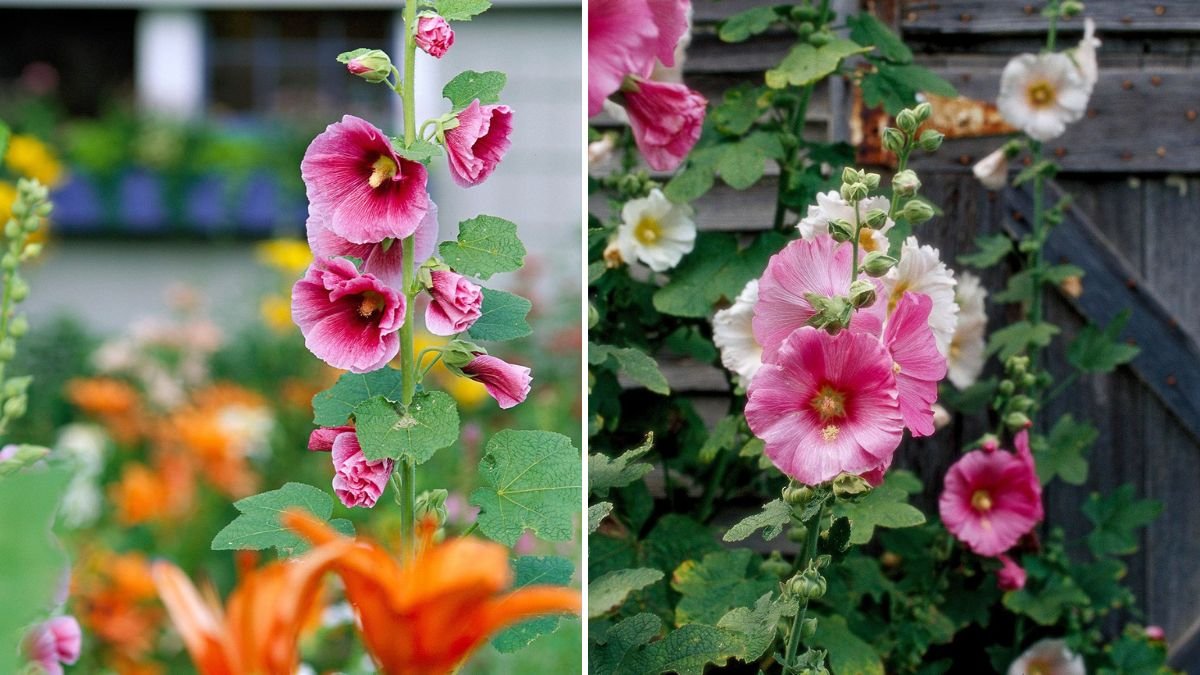
Hollyhocks (Alcea rosea) are stunning biennial plants that can add vertical beauty and a burst of color to any garden. Known for their impressive tall spikes adorned with large, vibrant blooms, these plants are a favorite among gardeners looking to create a striking display. In this guide, we’ll cover everything you need to know to grow tall hollyhock spikes in your home garden, from selecting the right variety to planting, caring, and troubleshooting.
1. Understanding Hollyhocks
1.1. Botanical Overview
Hollyhocks belong to the Malvaceae family and are native to Europe and Asia. They thrive in temperate climates and can be found in many gardens today, celebrated for their hardiness and ability to attract pollinators.
1.2. Types of Hollyhocks
There are various types of hollyhocks, but the most commonly grown ones include:
- Single Bloom: Simple, open flowers.
- Double Bloom: Petal-packed flowers that resemble small peonies.
- Dwarf Varieties: Smaller in stature, suitable for container gardening.
2. Choosing the Right Variety
Selecting the appropriate variety of hollyhocks can significantly impact your garden’s design and color palette. Consider the following:
- Color: Hollyhocks bloom in shades including white, pink, red, yellow, and purple.
- Height: While traditional hollyhocks can grow over six feet tall, some varieties are shorter, making them suitable for smaller gardens.
- Growing Zone: Consult the USDA Plant Hardiness Zone Map to ensure you are selecting a variety that will thrive in your area.
3. Planning Your Hollyhock Garden
3.1. Site Selection
Hollyhocks thrive in sunny locations. Choose a site that receives full sun for at least 6-8 hours a day. Additionally, ensure good air circulation to deter diseases.
3.2. Soil Characteristics
Hollyhocks prefer well-draining soil enriched with organic matter. A slightly alkaline pH (6.0 to 7.0) is ideal. Conduct a soil test if you’re uncertain about your garden’s soil composition.
4. Planting Tall Hollyhock Spikes
4.1. When to Plant
The best time to plant hollyhocks is in the spring after the last frost, as they are sensitive to frost damage. You can also sow seeds in late summer for blooms the following year.
4.2. How to Sowing Seeds
-
Seed Preparation: If you’re using seeds, soak them in water for 24 hours before planting to help with germination.
-
Sowing: Plant seeds 1/2 inch deep, spaced about 12-18 inches apart to allow for their broad leaves and tall spikes.
-
Watering: Water gently after sowing, ensuring the soil remains moist but not soggy.
4.3. Transplanting Seedlings
If starting seeds indoors, transplant seedlings when they have 2-3 true leaves. Be cautious to minimize root disturbance.
- Transplant on overcast days or early in the morning to reduce stress on the plants.
5. Caring for Your Hollyhocks
5.1. Watering
Hollyhocks require regular watering, especially during dry spells. They prefer deep, infrequent watering over shallow, frequent watering to encourage deep root growth.
5.2. Fertilizing
Feed hollyhocks with a balanced, slow-release fertilizer in early spring. A formula with equal parts nitrogen, phosphorus, and potassium (like 10-10-10) can support healthy growth.
5.3. Staking Tall Spikes
As hollyhocks grow, they may require support to prevent them from flopping over. Use garden stakes or circular supports as specific varieties can reach heights of 6-8 feet.
5.4. Deadheading
Regular deadheading, or the removal of spent blooms, encourages more blooms and prolongs the flowering season.
5.5. Pest Control
Hollyhocks can attract aphids, slugs, and rust disease. Keep an eye out for these pests and treat them promptly.
- Natural Remedies: You can use insecticidal soap for aphid problems or apply a neem oil solution to prevent fungal diseases.
6. Harvesting Seeds
Hollyhocks produce pods that contain seeds after the flowers wilt. Once the pods have dried on the plant, cut them off and store them in a cool, dark place until you are ready to replant.
6.1. Saving Seeds
Saving seeds is simple:
-
Place the harvested pods in a paper bag and allow them to fully dry.
-
Once dry, crush the pods to release the seeds, and store them in a labeled container.
7. Troubleshooting Common Issues
Hollyhocks can face various challenges during their growth. Here are some common issues and how to resolve them:
7.1. Leaf Spots
Fungal leaf spots can occur in humid conditions. Ensure good air circulation and avoid overhead watering to minimize moisture on the leaves.
7.2. Stunted Growth
This could be due to insufficient light, overcrowding, or nutrient deficiency. Ensure plants have enough space, sunlight, and nutrients.
7.3. Wilting
Wilting can indicate drought stress or root rot. Check soil moisture levels and drainage to determine the cause.
8. Designing Your Garden with Hollyhocks
Hollyhocks are versatile plants that can be incorporated into various garden designs. Here are some ideas:
- Cottage Gardens: Hollyhocks pair well with other classic flowers like daisies, delphiniums, and peonies.
- Borders: Plant them at the back of flower beds for height and to create a visual anchor.
- Cut Flower Gardens: Their tall spikes make them excellent cut flowers that can brighten indoor spaces.
9. FAQs
9.1. How do I prevent hollyhocks from falling over?
Staking your hollyhocks during their early growth or using supports can prevent them from flopping. Choose sturdy stakes or cages suitable for the height of your variety.
9.2. Can I grow hollyhocks in pots?
Yes, while hollyhocks are typically garden plants, you can grow them in large pots or containers. Ensure they have proper drainage and adequate space to support their growth.
9.3. How often should I water hollyhocks?
Water hollyhocks deeply but infrequently, aiming for about 1 inch of water per week, especially during dry spells.
9.4. Are hollyhocks perennials or biennials?
Hollyhocks are classified as biennials, which means they typically bloom in their second year. However, many gardeners grow them as perennials since the plants can self-seed.
9.5. What is the best way to care for hollyhocks in winter?
In regions with cold winters, cut back your hollyocks after they die back to about 6 inches above the soil, cover with mulch, and ensure any old debris is cleared away to prevent disease.
Conclusion
Hollyhocks can indeed transform your garden into a majestic display of color and texture. With the right care, you’ll be rewarded with stunning tall spikes that not only enhance your landscape but attract beneficial pollinators, making your garden alive with activity. Whether you’re a seasoned gardener or just starting out, following this ultimate guide will help you grow and enjoy these beautiful plants for years to come. Happy gardening!