Creating a tropical oasis in your garden can transport you to a serene paradise right in your backyard. One of the most striking plants to consider for this transformation is the Giant Bird of Paradise (Strelitzia nicolai). With its stunning foliage, majestic presence, and unique flowers, it serves as an impressive focal point for any garden.
Why Choose Giant Bird of Paradise?
Exotic Appeal
The Giant Bird of Paradise is known for its large, leathery leaves that can reach up to 18 inches wide and 5-6 feet in length. This dramatic foliage brings a lush, tropical feel to your garden, making it an ideal choice for creating a paradise look. The plant can grow up to 30 feet tall, towering over other plants and providing a real statement in your outdoor space.
Unique Flowers
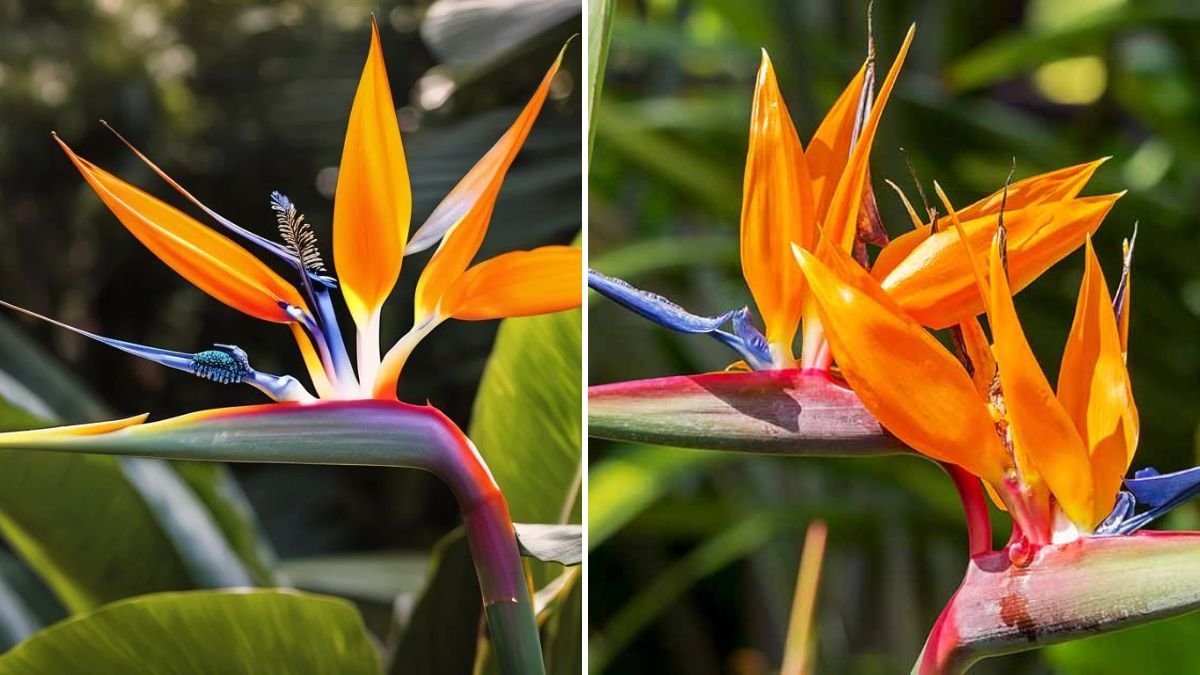
The flowers of the Giant Bird of Paradise are as exotic as its name suggests. They resemble a colorful bird in flight, with vibrant orange and blue hues. In ideal conditions, they bloom during the warmer months, adding a burst of color to your garden. These flowers not only attract birds but also pollinators, enhancing the biodiversity of your outdoor space.
Low Maintenance
For those who may not have a green thumb, the Giant Bird of Paradise is relatively low-maintenance. Once established, it requires minimal care, making it perfect for busy gardeners or those who prefer a more laid-back gardening experience.
Planning Your Tropical Oasis
Site Selection
Choosing the right location for your Giant Bird of Paradise is crucial. These plants thrive in sunny areas with well-draining soil. If you live in a cooler climate, consider placing them in a sheltered spot to protect them from harsh winds. In tropical climates, they can be planted directly in the ground, while in colder areas, they may be best suited for pots that can be brought indoors during winter.
Companion Planting
To create a lush tropical feel, consider pairing the Giant Bird of Paradise with other tropical plants. Here are some excellent companion plants:
- Palms: Boom your tropical theme with various palm trees which will complement the height and texture of the Bird of Paradise.
- Ferns: Soft ferns can create a pleasing contrast with the bold leaves of the Bird of Paradise.
- Hibiscus: Bright hibiscus blooms can add color and vibrancy to your tropical garden.
- Ornamental Grasses: These can provide a soft silhouette and movement in the garden when the breeze blows.
Design Elements
In addition to the plants themselves, consider incorporating design elements to enhance the tropical aesthetic. Install pathways made of natural stone or wood to create a sense of exploration. Consider adding a water feature, such as a small pond or fountain, for tranquility and to attract wildlife. Colorful garden art, tiki torches, or even a hammock can elevate the tropical vibe you want to create.
Soil Preparation
Ideal Conditions
The Giant Bird of Paradise prefers well-draining soil rich in organic matter. The ideal soil pH is slightly acidic to neutral (around 6.0-7.0). Enhancing your garden soil with compost or well-rotted manure can improve its structure and fertility, creating ideal conditions for your plants to thrive.
Drainage
Ensure that the planting area has good drainage to prevent root rot. If you notice that water tends to pool in certain areas of your garden, consider creating raised beds or using pots for planting.
Planting Your Giant Bird of Paradise
Timing
The best time to plant your Giant Bird of Paradise is in the spring after the last frost. This timing allows the plant to establish a robust root system during the growing season.
Planting Process
- Digging a Hole: Choose a planting location and dig a hole twice the size of the root ball.
- Amending the Soil: Mix in compost or organic matter to enrich the soil.
- Planting: Carefully place the plant in the hole, ensuring that the top of the root ball is level with the surrounding soil.
- Watering: Water thoroughly after planting to settle the soil.
- Mulching: Apply a layer of mulch around the base to retain moisture and suppress weeds.
Care and Maintenance
Watering
During the growing season, water the Giant Bird of Paradise regularly, ensuring the soil remains moist but not waterlogged. Reduce watering in the winter months when the plant is dormant.
Fertilizing
Feed your Giant Bird of Paradise with a balanced fertilizer every four to six weeks during the growing season. This will promote healthy growth and vibrant blooms.
Pruning
Pruning is minimal, primarily focusing on removing any dead or damaged leaves. This can promote better airflow and reduce the risk of pests or diseases.
Pest and Disease Management
Keep an eye out for pests such as aphids or mealybugs. If you notice an infestation, you can treat it with insecticidal soap or neem oil. Additionally, ensure good air circulation around the plant to prevent fungal diseases.
Preparing for Winter
In cooler climates, it’s essential to prepare your Giant Bird of Paradise for winter. If planted in the ground, consider covering the base with mulch or burlap for insulation. If in a pot, move it indoors to a bright location where temperatures stay above 50°F (10°C).
The Joy of a Tropical Oasis
Creating a tropical oasis with Giant Bird of Paradise Plants is not just about aesthetics; it also offers mental and emotional benefits. Surrounding yourself with nature has been shown to reduce stress, improve mood, and increase feelings of well-being. Your garden can become a sanctuary where you escape from the hustle and bustle of daily life.
Overall Experience
Imagine lounging in a hammock surrounded by towering Giant Bird of Paradise plants, listening to the birds chirping and water gently trickling from a fountain. This is the beauty of transforming your garden into a tropical paradise. Each element, from the plants to the design, works cohesively to create a serene retreat that reflects your unique style and personality.
FAQs
1. How tall does the Giant Bird of Paradise grow?
The Giant Bird of Paradise can grow up to 30 feet tall under optimal conditions, making it a striking presence in any garden.
2. What kind of sunlight does the Giant Bird of Paradise need?
This plant thrives in full sun to partial shade. Ideally, it requires at least 6 hours of direct sunlight daily.
3. Can the Giant Bird of Paradise survive in colder climates?
While the Giant Bird of Paradise prefers warmer climates, it can survive in colder regions if protected during winter. Consider growing it in a pot so you can bring it indoors.
4. How often should I water my Giant Bird of Paradise?
During the growing season, keep the soil consistently moist, but avoid waterlogging. Reduce watering in the winter when the plant is dormant.
5. Will the Giant Bird of Paradise attract wildlife?
Yes! The stunning flowers of the Giant Bird of Paradise attract birds and pollinators, enriching your garden’s ecosystem.
6. Do I need to fertilize my Giant Bird of Paradise?
Yes, feed the plant with a balanced fertilizer every four to six weeks during the growing season to encourage growth and flowering.
7. How can I tell if my Giant Bird of Paradise is healthy?
Healthy plants will have vibrant, green leaves, and produce blooms during the growing season. Yellowing leaves or stunted growth may indicate issues like overwatering or insufficient sunlight.
8. Can I propagate the Giant Bird of Paradise?
Yes, propagation can be done by division. This is best done in the spring when the plant is actively growing.
Creating your tropical oasis with Giant Bird of Paradise plants can be an exhilarating endeavor. With careful planning, attention to care, and a bit of creativity, your garden can become a vibrant escape that brings you joy and tranquility year-round. Happy gardening!