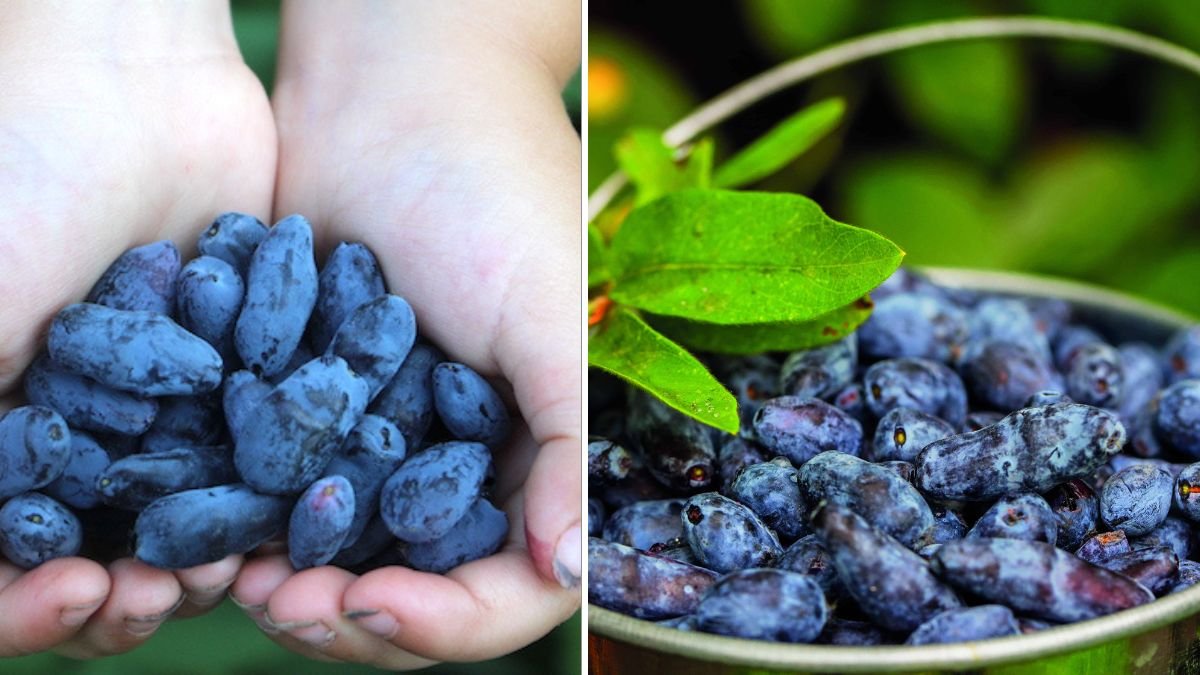
Haskap, also known as Lonicera caerulea, is a hardy, deciduous shrub that thrives in cool climates. Its sweet, tangy berries boast unique flavors and can be used in a variety of culinary applications. Growing haskap in containers offers an excellent solution for those with limited garden space or unfavorable soil conditions. This guide will walk you through the process of successfully cultivating haskap in containers, providing tips for optimal flavor and yield, while also answering common questions.
Understanding Haskap
The Origin and Benefits of Haskap
Haskap berries have a long history in Japan, where they are celebrated for their flavor and health benefits. Rich in vitamins C and A, antioxidants, and polyphenols, these berries are known to boost immunity, enhance cognitive function, and promote overall health.
The Flavor Profile
Haskap berries have a unique taste that combines notes of blueberry, raspberry, and black currant. This deliciously complex flavor makes them a versatile ingredient for jams, jellies, desserts, and even savory dishes.
Choosing the Right Variety
Selecting the appropriate haskap variety is crucial for maximizing your yield and flavor. Some popular varieties include:
- Honeybee: Known for its sweet, aromatic flavor, and good yield.
- Tundra: Features large berries with a sweet-tart balance, making it ideal for fresh eating.
- Borealis: A cold-hardy variety that produces large, flavorful berries.
When selecting a variety, consider your climate, space, and intended use. It’s worth noting that many haskap varieties are self-pollinating, but planting multiple varieties can improve yield through cross-pollination.
Container Selection
Size Matters
Choose containers that are at least 5 gallons (20 liters) in size to allow adequate root growth. A larger container will provide more space for the roots and reduce the need for frequent watering.
Material Choices
Containers can be made from various materials, including:
- Plastic: Lightweight and retain moisture well, but may heat up in direct sunlight.
- Ceramic or Clay: Beautiful and aesthetic, but they can dry out more quickly.
- Wood: Offers good insulation but can decay over time. Make sure it’s treated to withstand moisture.
Drainage
Ensure the container has proper drainage holes to prevent waterlogging, which can lead to root rot. Using a layer of gravel or small stones at the bottom can enhance drainage.
Soil Preparation
Choosing the Right Soil
Haskap thrives in well-draining, fertile soil. A good potting mix typically consists of:
- Quality Potting Soil: Choose a mix rich in organic matter.
- Perlite or Vermiculite: To improve drainage.
- Compost: For added nutrients.
A soil pH between 6.0 and 6.8 is ideal for haskap. You can test your soil’s pH using a home testing kit and amend it with lime or sulfur as needed.
Pre-Planting Amendments
Consider adding slow-release organic fertilizers or mycorrhizal fungi to enhance root development and nutrient absorption.
Planting Haskap in Containers
Timing is Key
The best time to plant haskap in containers is early spring or late fall when the plants are dormant. This timing allows them to establish root systems before summer heat arrives.
Planting Steps
- Fill the container: Add your prepared potting mix, filling the container to about 2 inches below the rim.
- Create a hole: Dig a hole in the center of the soil that is deep enough to accommodate the root ball of your haskap plant.
- Place the plant: Gently remove the haskap from its nursery pot, loosening any tightly bound roots. Position it in the soil hole, ensuring the top of the root ball is level with the soil.
- Backfill: Fill around the root ball with soil, pressing gently to eliminate any air pockets.
- Water thoroughly: After planting, give your haskap a good watering to help settle the soil.
Care and Maintenance
Watering
Haskap requires consistent moisture, especially during the fruiting period. Check the soil regularly, and water when the top inch feels dry. Overwatering can be just as detrimental as underwatering, so ensure adequate drainage.
Fertilization
Feed your haskap plants with a balanced, slow-release fertilizer in early spring and again in mid-summer. Organic options, like fish emulsion or compost, can provide essential nutrients without the risk of chemical buildup.
Pruning
Pruning helps shape the plant and encourages new growth. After the fruiting season, trim back any dead or weak branches and shape the plant to encourage air circulation. This activity can also reduce the risk of fungal diseases.
Pest and Disease Management
While haskaps are generally resilient, they can be susceptible to certain pests such as aphids, spider mites, and fungal diseases like powdery mildew. Monitor your plants regularly for signs of distress and take action promptly:
- Organic Pesticides: Use neem oil or insecticidal soap for pests.
- Companion Planting: Consider planting garlic or marigolds nearby to deter pests naturally.
Harvesting Haskap Berries
Timing the Harvest
Haskap berries typically mature in early summer, usually between June and July, depending on your climate. Harvest them when they are plump and easily detach from the stem.
Harvesting Techniques
Pick berries gently to avoid bruising. Wearing gloves can help protect your hands from the tart juice. It’s best to harvest in the morning when the berries are cool.
Enhancing Flavor
To improve the flavor profile of your haskap berries, consider:
- Proper Watering: Avoid overwatering during the ripening phase to concentrate their sugars.
- Sun Exposure: Place your container in a location that receives full sun (6-8 hours of sunlight daily) to enhance sweetness.
Container Placement
Light Requirements
Haskap requires full sunlight for optimal growth and fruit production. Selecting a southern or western exposure can maximize sunlight intake.
Protecting from Extreme Weather
While haskap is cold-hardy, container plants are more susceptible to temperature extremes. During winter, consider moving containers to a sheltered location, such as a garage or basement. In summer, provide shade as needed to prevent overheating.
Overwintering Your Haskap
If you live in a region with harsh winters, proper winter care is crucial for container-grown haskap. Here are steps to take:
- Mulching: Add a layer of mulch to the surface of the soil to protect the roots.
- Insulate the Container: Wrap pots in burlap or bubble wrap for additional insulation.
- Location: Move pots to a sheltered area (like a porch) to reduce exposure to the elements.
FAQs
How long does it take for haskap to bear fruit?
Haskap plants typically start to produce fruit within 2-3 years after planting, depending on the variety and growing conditions.
Can I grow haskap indoors?
While haskap prefers outdoors, it can be grown indoors if given sufficient light (Ideally, full sun for most of the day). Supplement with grow lights if necessary.
What is the best fertilizer for haskap?
A balanced, slow-release fertilizer with equal parts nitrogen, phosphorus, and potassium (e.g., 10-10-10) or organic options like compost or fish emulsion is best.
How often should I water haskap in containers?
Water your haskap regularly, allowing the top inch of soil to dry out before watering again. Container plants may require more frequent watering than those in the ground.
Can I grow haskap without cross-pollination?
Yes, haskap plants can self-pollinate, but planting multiple varieties can significantly enhance yield and size.
What are common pests that affect haskap?
Common pests include aphids and spider mites. Regular checking and organic treatments can manage these pests effectively.
Conclusion
Growing haskap in containers can be a rewarding experience, from planting to harvesting. With proper care, you can enjoy delicious berries that are packed with flavor and nutrients. By selecting the right variety, providing optimal conditions, and implementing effective maintenance strategies, you can successfully cultivate haskap to add a unique touch to your culinary creations. Happy gardening!