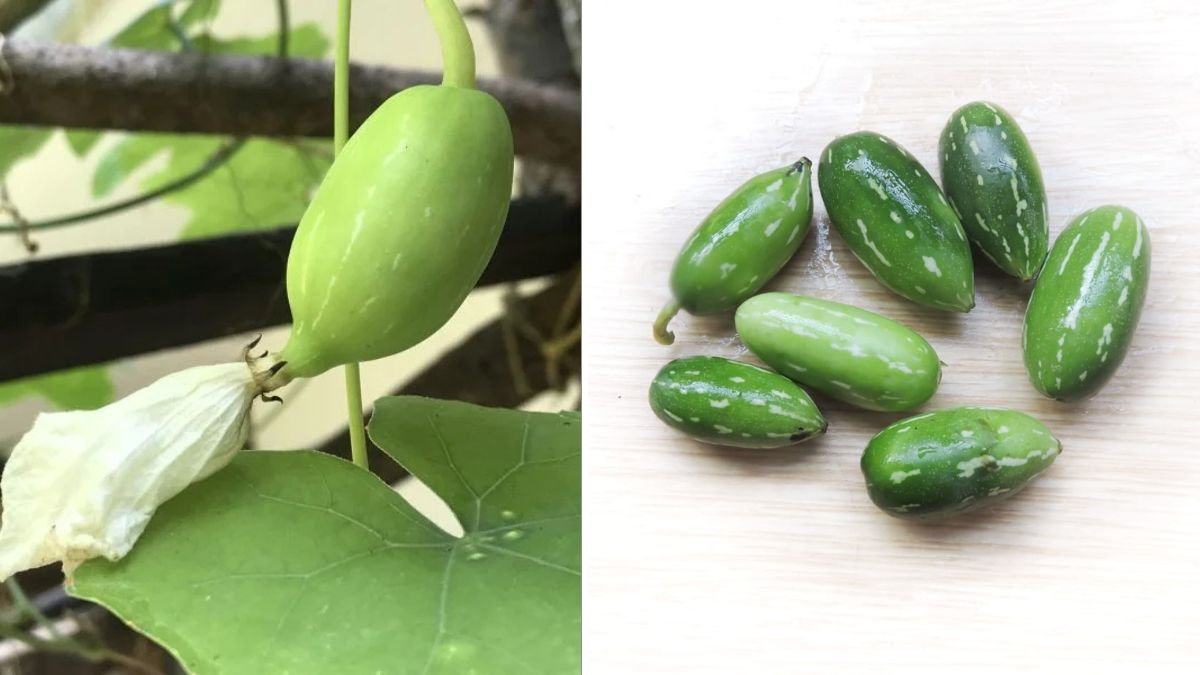
Growing Tindora, also known as ivy gourd (Coccinia grandis), in a container is an excellent way to cultivate this flavorful vegetable, often cherished in Indian and Southeast Asian cuisines. Container gardening minimizes space requirements, allowing urban gardeners or those with limited garden areas to enjoy homegrown produce. Below, we will explore how to successfully grow Tindora in a container for maximum flavor and yield.
1. Understanding Tindora
Before diving into the practical steps, let’s understand Tindora. This vigorous creeping vine produces small, elongated green fruits that are commonly used in stir-fries, salads, and pickles. Tindora is not only tasty but also packed with nutrients, including vitamins A and C, fiber, and various antioxidants. Its growth habit and requirements make it well-suited for container gardening.
2. Choosing the Right Container
Choosing the right container is vital for the healthy growth of Tindora. Here are some factors to consider:
Size
A container that’s at least 5 gallons (approximately 19 liters) in size is ideal. This provides enough space for the roots to grow and access necessary nutrients.
Material
Plastic, terracotta, or ceramic pots are all suitable, but ensure that the container has drainage holes at the bottom. This prevents waterlogging, which can lead to root rot.
Weight
Consider the weight of the container, especially if you plan to move it around. Lightweight materials are easier to manage, while heavier materials retain more moisture.
3. Soil Preparation
Tindora thrives in nutrient-rich, well-draining soil. Here’s how to prepare the perfect potting mix:
Components
- Organic potting mix: Provides a fertile base.
- Perlite or vermiculite: Improves drainage.
- Compost: Enhances nutrient content.
Mix Ratio
A recommended ratio for Tindora would be:
- 50% potting mix
- 30% compost
- 20% perlite or vermiculite
Mix these components thoroughly before filling the container.
4. Selecting Seeds or Seedlings
You can start Tindora either from seeds or seedlings. Both methods have their pros and cons:
Seeds
- Pros: More varieties available, often cheaper.
- Cons: Longer to establish, requires additional care.
Seedlings
- Pros: Quick and easier to grow.
- Cons: Might be more expensive and limited in variety.
If using seeds, soak them in water for 24 hours before planting to enhance germination.
5. Planting Tindora
Planting Depth
If using seeds, plant them about 1 inch (2.5 cm) deep. For seedlings, dig a hole deep enough to accommodate the root ball comfortably, ensuring the top of the root ball is level with the soil surface.
Spacing
If planting multiple seedlings in one container, provide adequate spacing of about 12 to 18 inches (30 to 45 cm) between each plant. This ensures good air circulation and prevents overcrowding.
6. Providing Support
Tindora is a vigorous climber, so providing a support structure is essential. You can use:
- Trellis: A vertical support that allows the vine to climb.
- Garden stake: For a single plant.
- Wire mesh or fence: Creates a broader area for climbing.
Ensure the support is sturdy and securely anchored. This not only helps the plant grow upright but also improves air circulation and sunlight exposure.
7. Watering Regimen
Watering is critical for Tindora, especially in a container where soil can dry out quickly. Here are some tips:
Frequency
- In warm climates: Water every 1-2 days.
- In cooler conditions: Water every 3-4 days.
Method
Check soil moisture by inserting a finger about an inch into the soil. If it feels dry, it’s time to water. Aim to water deeply to encourage root growth, allowing excess water to drain away.
Drainage
Always empty the saucer under the pot after watering to prevent water from sitting at the bottom, which may lead to root rot.
8. Fertilization
Tindora has moderate nutrient requirements. Here’s how to keep your plant well-fed:
Organic Fertilizers
Use organic fertilizers like compost or well-rotted manure. Apply a balanced fertilizer every 4-6 weeks during the growing season to ensure a steady supply of nutrients.
Signs of Nutrient Deficiency
If leaves turn yellow or growth seems stunted, it may indicate a nutrient deficiency. Adjust your fertilization regimen accordingly.
9. Sunlight Requirements
Tindora thrives in full sunlight, requiring at least 6 to 8 hours of direct sunlight daily.
Placement
Position your container in a south-facing location, if possible. If you live in a region with intense heat, partial shade during the hottest part of the day can be beneficial.
10. Pruning and Maintenance
Managing your Tindora plant encourages healthy growth and higher yields.
Pruning
Regularly prune the vine to remove any dead or yellowing leaves. This encourages new growth and keeps the plant healthy. Focus on cutting back excessive lateral growth too, which can help direct energy into fruit production.
Pest Control
Watch for common pests like aphids and spider mites. Use organic insecticidal soap or neem oil for control. Regular checking helps to catch infestations early.
11. Harvesting Tindora
Once fruits begin to appear, they typically take about 4 to 6 weeks to mature. Harvesting at the right time is crucial for maximum flavor and yield.
Signs of Readiness
Harvest the fruits while they are still small and tender, about 3-4 inches long. They should be firm and vibrant in color.
Method
Use garden scissors or shears to cut the fruit from the vine, avoiding damage to the plant.
12. Conclusion
Growing Tindora in a container can be a rewarding venture for both seasoned and novice gardeners. By providing the right conditions—an appropriate container, nutrient-rich soil, adequate sunlight, and sufficient water—you can successfully cultivate this delightful vegetable.
Container gardening is not only practical but also brings the joy of homegrown flavors to your dishes. So roll up your sleeves, and enjoy the process of nurturing Tindora from seed (or seedling) to harvest!
FAQs
1. Can I grow Tindora indoors?
Yes, Tindora can be grown indoors as long as it receives sufficient sunlight. A south-facing window or grow lights can help.
2. How often should I fertilize Tindora?
Fertilize every 4-6 weeks during the growing season with a balanced organic fertilizer.
3. What pests should I look out for?
Common pests include aphids, spider mites, and whiteflies. Use organic insecticidal solutions to manage them.
4. When is the best time to plant Tindora?
The ideal planting time is in the spring after the last frost when the soil temperature is consistently warm.
5. Can Tindora grow without support?
While it’s possible for Tindora to grow without support, providing a trellis or stake significantly improves yield and facilitates maintenance.
By following these guidelines and remaining attentive to your plant’s needs, you can achieve a bountiful harvest of Tindora that adds delightful flavors to your culinary creations!