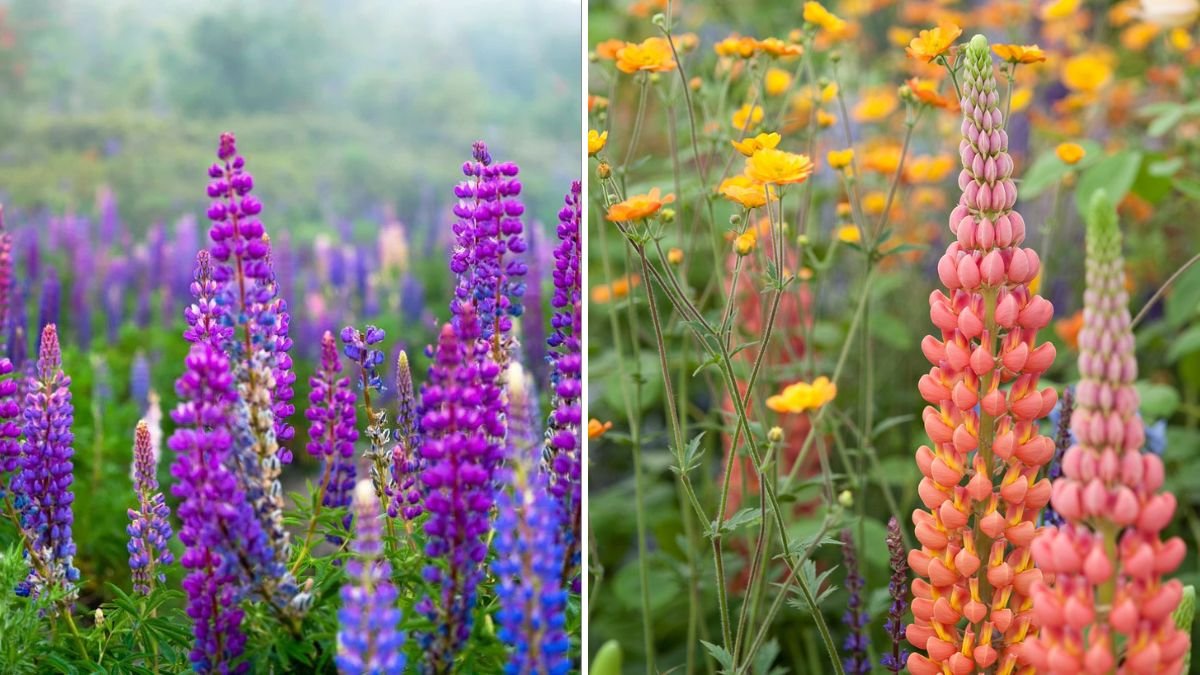
Lupins, particularly the Russell Mix, are known for their stunning floral displays and vibrant colors, making them a favorite among gardeners. Their tall spikes filled with pea-like flowers are not only beautiful but also attract bees, butterflies, and other pollinators, enhancing your garden’s ecosystem. If you’re looking to cultivate these stunning flowers year-round, follow this comprehensive guide that includes easy hacks, planting tips, and care instructions.
1. Understanding Lupin Russell Mix
Varieties and Characteristics
The Lupin Russell Mix is a hybrid perennial that comes in a variety of colors, including shades of blue, purple, pink, and white. This mix is prized for its vigorous growth and long blooming period, which typically lasts from late spring to early summer.
Benefits of Growing Lupins
- Aesthetic Appeal: Their unique structure and vibrant colors instantly beautify any garden.
- Pollinator-Friendly: Attracts beneficial insects like bees and butterflies.
- Soil Improvement: As members of the legume family, they help in fixing nitrogen in the soil, improving soil health.
2. Planting Conditions
Ideal Growing Conditions
Lupins thrive in well-drained, sandy or loamy soil with a pH of 6.0 to 7.0. They prefer full sun to partial shade, making them versatile for various garden settings.
Planting Time
In temperate climates, spring is the best time to plant Lupin Russell Mix. However, with a few hacks, you can extend their growing season and even get a second bloom in the fall.
3. Hacks for Year-Round Growth
3.1 Seed Preparation
Soaking Seeds: Before planting, soak your lupin seeds in water for 24 hours. This breaks dormancy and speeds up germination.
Scarification: Lightly rubbing seeds with sandpaper can also improve your chances of successful germination.
3.2 Sowing Indoors
For an earlier start, consider starting seeds indoors:
- Choose the Right Containers: Use seed trays or biodegradable pots.
- Soil Mixture: Use a well-draining seed-starting mix.
- Light and Temperature: Keep the trays in a warm area with ample light; a grow light can be beneficial.
- Timing: Start seeds indoors about 6-8 weeks before the last expected frost date.
3.3 Transplanting
When seedlings have at least two sets of true leaves, they can be transplanted into the garden. Ensure that the soil temperature is consistently above 60°F (15°C) before transplanting to avoid shock.
3.4 Direct Sowing
In areas with mild winters, you can sow seeds directly into the garden in late fall. They will naturally stratify over the winter and germinate in spring.
4. Care and Maintenance
4.1 Watering
Lupins require moderate watering. Once established, they are drought-tolerant but may need additional water during prolonged dry spells.
4.2 Fertilization
Lupins typically benefit from a balanced, slow-release fertilizer in spring. Avoid high-nitrogen fertilizers, as this can promote foliage at the expense of flowers.
4.3 Pruning
Deadheading spent blooms encourages more flowering. In late fall, cut back spent plants to ground level to promote healthy growth the next season.
4.4 Pest and Disease Management
Keep an eye out for pests like aphids and slugs. Treat any infestations promptly with insecticidal soap or natural predators like ladybugs.
5. Winter Care
In colder climates, provide some winter protection:
- Mulching: Apply a 2-3 inch layer of mulch around the base of plants to insulate the roots.
- Row Covers: In extremely cold areas, use row covers to protect plants from harsh winter weather.
6. Creating a Lupin-Friendly Environment
Companion Planting
Pair lupins with plants like foxglove, salvia, and echinacea to create a stunning visual display while also creating a conducive environment for pollinators.
Attractive Layout
Place lupins towards the back of flower beds as their tall spikes can overshadow shorter flowers. Mix in lower-growing plants to create a tiered effect that highlights their beauty.
7. Troubleshooting Common Issues
Lack of Flowers
If your lupins are growing tall but not flowering, consider the following:
- Insufficient Sunlight: Ensure they are getting at least 6 hours of full sun each day.
- Over-fertilization: Reassess your fertilization strategy, as too much nitrogen can hinder flowering.
Leaf Discoloration
Yellowing leaves may indicate overwatering or nutrient deficiency. Adjust watering frequency and consider a balanced fertilizer.
Stunted Growth
Stunted growth can be a sign of poor soil drainage or root pests. Check soil moisture and consult a pest control expert if needed.
FAQs about Growing Lupin Russell Mix
1. What is the best time to plant Lupin Russell Mix?
The best time to plant is in the spring, once the danger of frost has passed. In mild climates, you can also sow seeds in late fall.
2. Do lupins need a lot of sunlight?
Yes, lupins do best in full sun but can tolerate partial shade.
3. How often should I water lupins?
Water moderately; they prefer well-drained soil and are drought-tolerant once established.
4. How can I encourage more blooms?
Regular deadheading encourages more blooms. Ensure they get adequate sunlight and follow up with a balanced fertilizer every spring.
5. Are lupins toxic to pets?
Lupins can be toxic to pets if ingested in large amounts. It’s best to keep pets away from them.
6. Can I grow lupins in pots?
Yes, lupins can be grown in pots, but ensure the pot is large enough to accommodate their root system and has good drainage.
7. How do I protect lupins during winter?
Apply a layer of mulch around the plants and consider using row covers in very cold regions.
8. How long do lupins usually bloom?
Lupins bloom from late spring to early summer but can produce second blooms in fall with proper care.
Conclusion
Growing Lupin Russell Mix in your garden year-round is not only achievable but rewarding. By following the hacks and tips outlined in this article, you can enjoy vibrant blooms and contribute to your garden’s ecology. With a little planning and care, these stunning flowers will become a staple addition to your garden for years to come. Happy gardening!