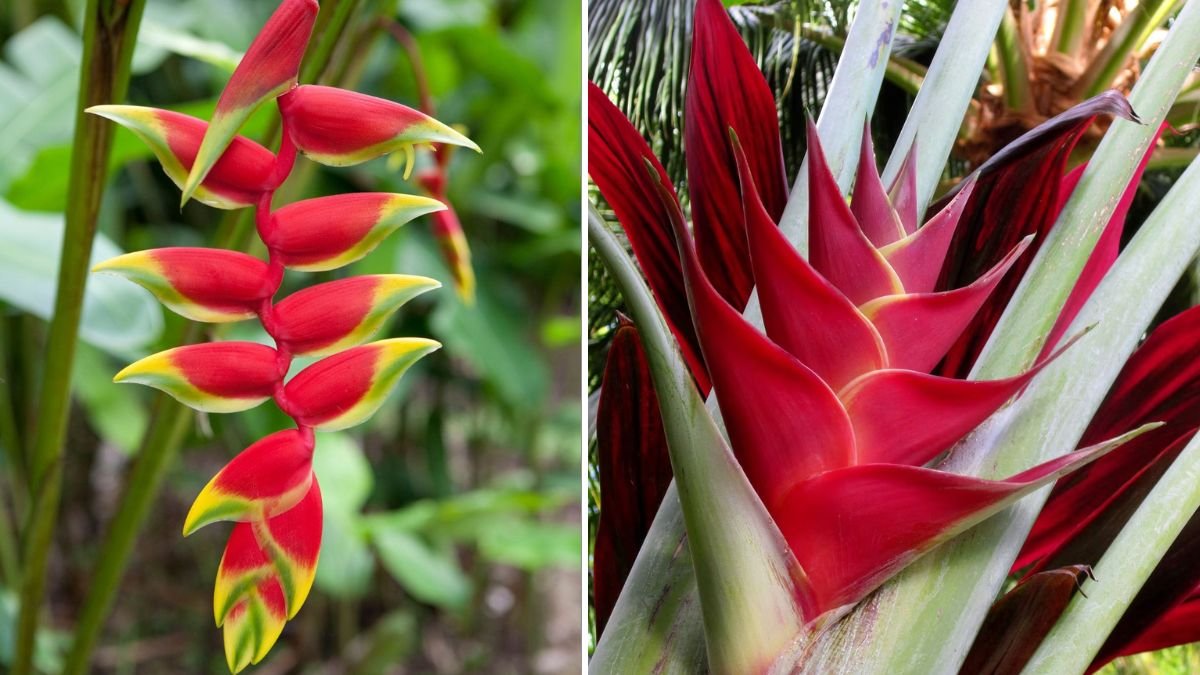
Heliconia rostrata, commonly known as the hanging lobster claw, is an exotic tropical plant that is famous for its striking flowers and architectural foliage. Native to the rainforests of Central and South America, this perennial herb not only adds a vibrant splash of color to gardens but also attracts a variety of pollinators, including hummingbirds. If you’re considering adding Heliconia rostrata to your outdoor landscape, this comprehensive guide will provide you with simple strategies to grow this stunning plant successfully.
Understanding Heliconia Rostrata
Heliconia rostrata belongs to the family Heliconiaceae, and it is characterized by its unique inflorescence that resembles lobster claws or hanging pendants. The plant can reach up to 5 feet in height and can spread up to 4 feet wide. The bright red bracts often have contrasting yellow or orange tips, making them visually appealing. Grown in clusters, they create a lush, tropical atmosphere in any garden.
Choosing the Right Location
-
Climate: Heliconia rostrata thrives in USDA Hardiness Zones 9-11. It requires a warm, humid environment, so if you live in a cooler area, consider growing it in a greenhouse or indoors.
-
Sunlight: This plant loves bright, indirect sunlight. While it can tolerate full sun, too much direct exposure can scorch its leaves. Ideally, select a location where it can receive filtered sunlight, especially during the hottest hours of the day.
-
Soil: Heliconia rostrata prefers well-draining, rich, organic soil. Aim for a pH level between 6.0 and 7.0. If the soil is too compact or lacking in nutrients, consider amending it with compost or well-rotted manure.
Soil Preparation
-
Amendment: Before planting, enhance the soil with organic material like compost, peat moss, or coconut coir. This will improve the soil’s nutrient content and drainage capabilities.
-
Drainage: Ensure that the area has adequate drainage. Heliconia does not like to sit in water, as this can lead to root rot. If your garden has heavy clay soil, consider creating raised beds or planting in mounds.
-
Mulching: After planting, apply a layer of mulch around the base of the plant. Organic mulch, such as wood chips or straw, helps retain moisture, suppress weeds, and add nutrients as it decomposes.
Planting Heliconia Rostrata
-
Spacing: When planting multiple Heliconia rostrata, space them about 3-4 feet apart to allow for their spreading nature.
-
Timing: The best time to plant is in the spring after the last frost occurs, as this allows the plant to establish before the heat of summer.
-
Planting Hole: Dig a hole that is twice the size of the root ball and just as deep. This gives roots ample space to grow and encourages strong root development.
-
Watering: After placing the plant in the hole, fill it with soil and water thoroughly. This settles the soil around the roots and eliminates air pockets.
Watering and Fertilizing
-
Consistent Moisture: Heliconia rostrata loves moisture but hates soggy soil. Water the plant regularly, especially during dry spells. The top inch of soil should be kept consistently moist, but not waterlogged.
-
Fertilization: Use a balanced, slow-release fertilizer every 6-8 weeks during the growing season. A fertilizer high in potassium can promote flowering.
-
Foliar Feeding: Occasionally, spray a diluted liquid fertilizer directly onto the leaves to provide additional nutrients and enhance growth.
Pruning and Maintenance
-
Pruning: Regularly remove dead or damaged leaves to promote healthy growth and airflow. This prevents pests and diseases from taking hold.
-
Dividing: Every few years, consider dividing the plant. This not only helps contain its size but also rejuvenates the plant, encouraging more vigorous growth and increased flowering.
-
Pest Control: Watch for common pests like aphids, spider mites, and whiteflies. Use insecticidal soap or neem oil to treat infestations naturally.
Managing Weather and Climate Challenges
-
Wind Protection: If you live in an area prone to high winds, consider planting Heliconia rostrata in a sheltered location where it is protected from wind damage.
-
Temperature Control: During unexpected cold snaps, cover your plants with frost cloth or burlap to protect them from chilling temperatures.
-
Humidity: In extremely dry climates, consider creating a microclimate around your plants by placing a few boulders nearby or using a misting system to maintain humidity levels.
Encouraging Blooming
-
Ideal Conditions: The right conditions will promote regular blooming. Ensure the plant receives enough light, water, and nutrients.
-
Pollinator Attraction: Attract hummingbirds and other pollinators to your garden by planting nearby flowering plants such as bee balm or salvia. The more pollinators present, the more likely your Heliconia rostrata will produce blooms.
-
Patience: Sometimes, the plant may take a while to bloom after planting. Be patient, as healthy plants typically begin to flower within a year.
Winter Care
-
Frost Sensitivity: If you live in an area where temperatures can drop below freezing, consider overwintering potted plants indoors or digging up the rhizomes and storing them in a cool, dry place.
-
Mulching for Protection: If your Heliconia is planted in the ground, apply a thick layer of mulch to protect the roots from frost.
-
Monitoring: Keep an eye on weather forecasts during the winter months, and take action to protect your plants when necessary.
Troubleshooting Common Problems
-
Yellowing Leaves: This may indicate overwatering or nutrient deficiency. Adjust your watering schedule and consider a soil test to identify nutrient needs.
-
Stunted Growth: If your plant isn’t growing as expected, check for pests or diseases. Also, ensure it is receiving adequate sunlight and water.
-
Poor Flowering: This can be a result of insufficient sunlight, inadequate nutrients, or too much shade. Reassess the planting site and make adjustments as needed.
FAQs
What zone is best for growing Heliconia rostrata?
Heliconia rostrata thrives best in USDA Hardiness Zones 9-11, where the climate is warm and humid.
How much sunlight does Heliconia rostrata need?
It prefers bright, indirect sunlight. While it can tolerate full sun, filtered sunlight is ideal to prevent leaf burn.
How often should I water my Heliconia?
Keep the top inch of soil consistently moist but not waterlogged. Water regularly, especially during dry spells.
Can I grow Heliconia rostrata in a pot?
Yes, Heliconia can be grown in pots. Ensure the pot has good drainage and provide ample water and nutrients.
How long does it take for Heliconia rostrata to bloom?
Typically, healthy plants begin to flower within a year after planting, but this can vary based on growing conditions.
What should I do if my Heliconia develops pests?
Treat infestations with insecticidal soap or neem oil to manage pests without harming beneficial insects.
Is Heliconia rostrata safe for pets?
While not highly toxic, it is advisable to keep Heliconia rostrata out of reach of pets to prevent any potential gastrointestinal discomfort.
How do I winterize Heliconia rostrata if I live in a cooler climate?
Consider bringing potted plants indoors during winter. For planted ones, apply mulch for root protection and monitor temperatures.
Can I propagate Heliconia rostrata?
Yes, Heliconia can be propagated by division of the rhizomes during the growing season. Be sure to replant immediately for the best results.
In conclusion, growing Heliconia rostrata outdoors can be a rewarding endeavor for any gardener. By choosing the right location, preparing the soil well, maintaining consistent care, and being proactive in managing issues, you can enjoy the colorful beauty of this unique plant in your garden. Follow the strategies outlined above, and you’re well on your way to a thriving Heliconia rostrata display.