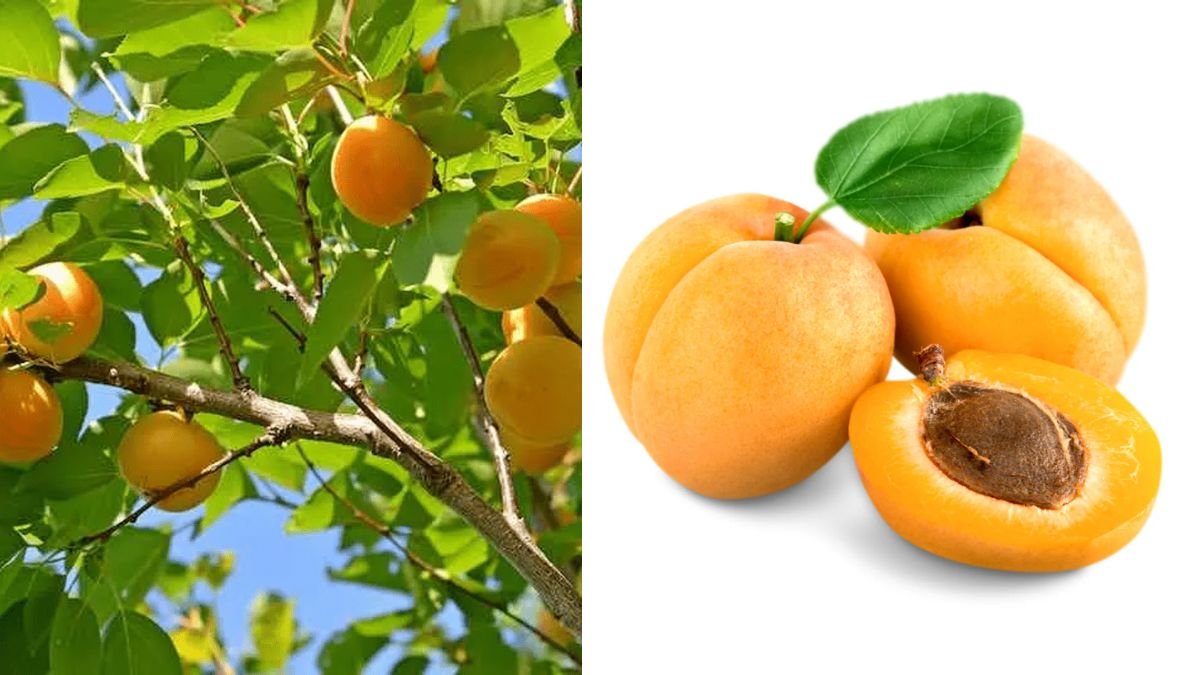
Apricot lovers around the world adore this tiny golden fruit for its sweetness, beauty, and incredible charm. Whether you enjoy it fresh, dried, or in homemade jams, the apricot stands out as one of nature’s most delightful gifts. Among all varieties, the yellow apricot—often glowing like a miniature sun—is especially loved for its flavor, fragrance, and decorative appeal. In this 1200-word feature, we dive into the world of amazing yellow apricot fruits, exploring their characteristics, health benefits, growing methods, and why they’re considered one of the sweetest treasures of the fruit world.
The Magical Allure of Yellow Apricot Fruits
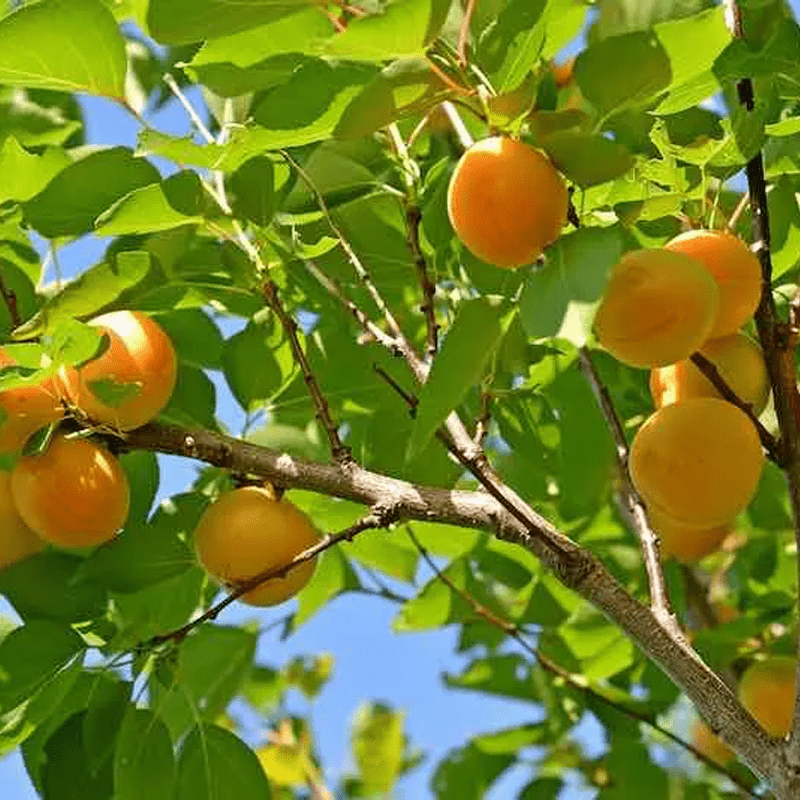
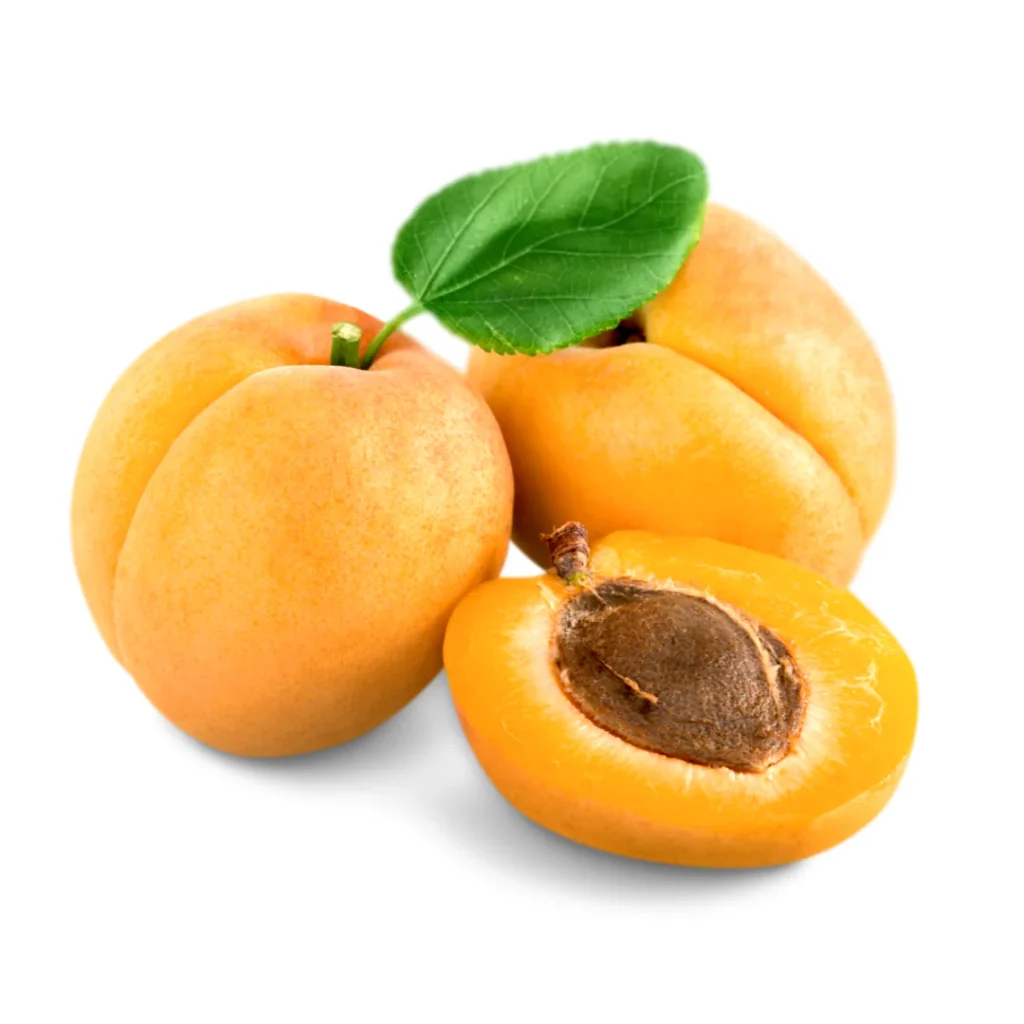
Yellow apricots are more than just fruits—they are symbols of warmth, freshness, and natural beauty. When hanging on the tree, these golden beauties resemble tiny lanterns glowing under the sunlight. Their velvety skin, soft texture, and juicy interior make them irresistible to fruit lovers everywhere.
Unlike other fruits that require complex care, apricots are surprisingly easy to grow and maintain, which is why they’re becoming increasingly popular in home gardens around the world.
Why Yellow Apricots Are So Special
Here are a few standout qualities that make yellow apricots unique and unforgettable:
1. Their Sweet, Juicy Flavor
Yellow apricots are famous for their perfect balance of sweetness and tanginess. When fully ripe, they are soft, fragrant, and dripping with juice.
2. Stunning Appearance
Their bright yellow color gives them a cheerful, “sunny” look that makes them visually appealing in gardens and fruit baskets alike.
3. Rich in Nutrients
Apricots are packed with vitamin A, vitamin C, potassium, fiber, and antioxidants—all essential for maintaining good health.
4. Versatile Usage
Whether eaten fresh, dried, blended in smoothies, or used for jams and desserts—yellow apricots can do it all.
Health Benefits of Yellow Apricots
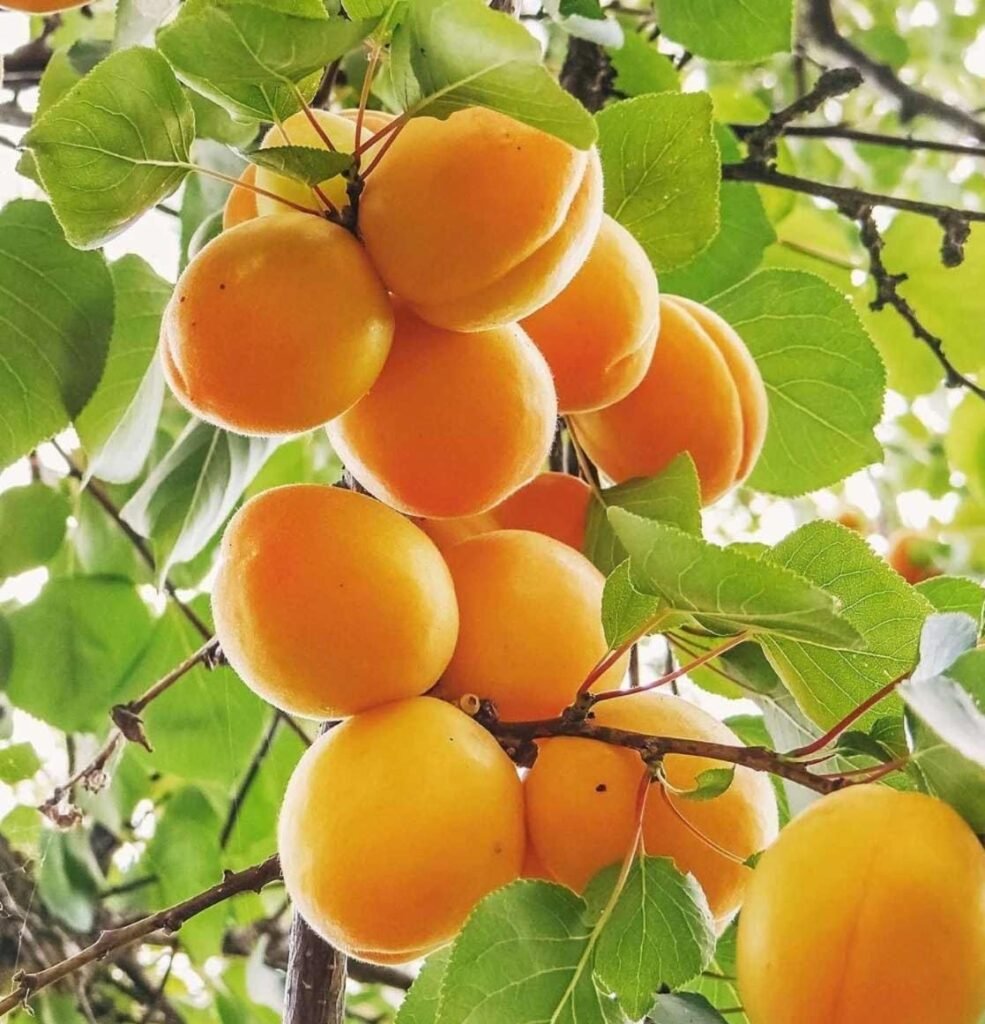
Eating apricots regularly can boost your health in remarkable ways. Some of the most notable benefits include:
Improves Eye Health
Apricots are rich in Vitamin A and beta-carotene, which support healthy vision.
Boosts Immunity
Vitamin C strengthens your immune system and helps fight infections.
Supports Digestion
Their natural fiber aids digestion and improves gut health.
Good for Skin Glow
Antioxidants fight free radicals, making your skin smoother and more radiant.
Keeps Your Heart Healthy
Potassium helps regulate blood pressure and overall heart function.
Growing Apricot Trees: A Delight for Gardeners
Growing apricot trees is easier than many think. With simple care and the right environment, you can enjoy your own homegrown apricots in just a few seasons.
Here’s how you can grow your own:
1. Choose the Perfect Spot
Apricot trees love sunlight. Select an area in your garden that receives at least 6–8 hours of direct sunlight each day.
2. Start with a Healthy Sapling or Seed
Although apricots can be grown from seeds, planting a young sapling ensures faster fruiting. Choose a variety well-suited to your climate.
3. Soil Requirements
Apricot trees prefer:
- Well-drained soil
- Slightly sandy texture
- Neutral to slightly alkaline pH
Ensure that water doesn’t stagnate around the plant.
4. Watering Needs
Apricot trees require moderate watering:
- Keep the soil moist—not waterlogged
- Water deeply once or twice weekly
- Reduce watering in winter
5. Pruning for Better Growth
Pruning helps the tree breathe and promotes fruit production. Remove:
- Dead branches
- Weak stems
- Crowded limbs
This ensures good air circulation and sunlight penetration.
6. Blossoms: The Magical Stage
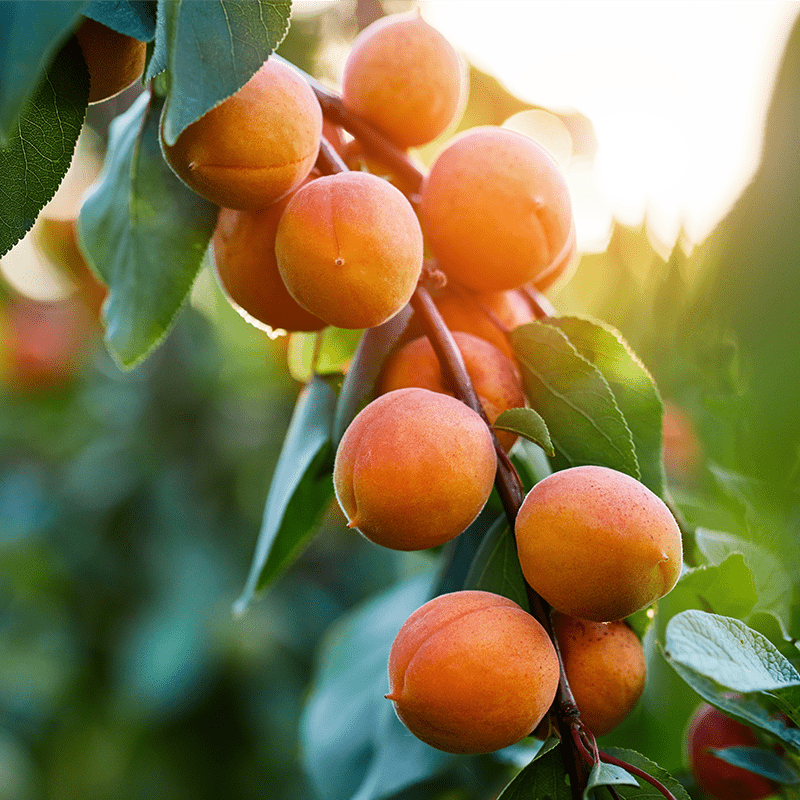
Before the fruits arrive, apricot trees adorn themselves with soft pinkish-white blossoms—a sight so beautiful it can transform your entire garden atmosphere.
These blossoms soon develop into tiny green fruits that gradually turn into glowing yellow apricots as they mature.
Harvesting the Sweet Yellow Apricots
Apricots are ready for harvest when:
- They turn bright yellow or golden
- Their skin feels slightly soft to the touch
- They detach easily from the tree
The ripe fruits are incredibly fragrant, sweet, and juicy—a true delight for the senses.
Delicious Ways to Enjoy Apricots
Apricots are versatile in the kitchen. Here are some tasty ways to enjoy them:
- Fresh fruit bowl
- Homemade apricot jam
- Smoothies and juice blends
- Dried apricot snacks
- Apricot pie and tarts
- Fruit salads
- Apricot syrup over pancakes
Their unique aroma and sweetness make them suitable for both sweet and savory dishes.
Fun Facts About Apricots
Did you know?
Apricot trees can live for over 40 years.
Apricots were once called the “golden apples” of Persia.
Dry apricots contain more nutrients per bite than fresh ones.
Apricot seeds have been used in traditional remedies for centuries.
Why Apricot Trees Make Gardens More Beautiful
Besides their fruits, apricot trees offer:
- Shade in summer
- Beautiful blossoms in spring
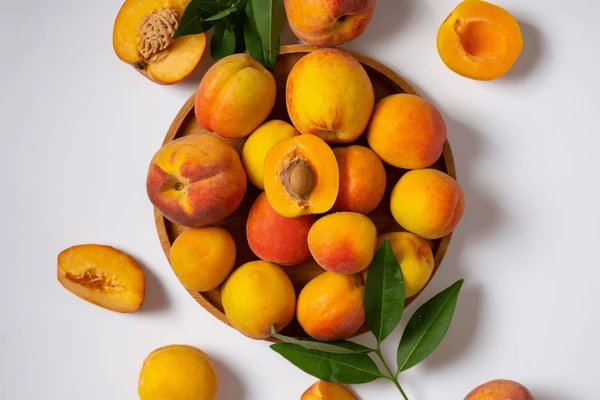
- Golden fruits that decorate the tree like ornaments
- A pleasant fragrance that freshens your garden
They’re not just fruit-bearers—they’re natural artists!
Conclusion: A Sweet Gift from Nature
Yellow apricots are among the most charming and delicious fruits in the world. From their bright golden glow to their mouth-watering sweetness, they embody nature’s perfection. Growing them at home is incredibly rewarding—both for the taste and the beauty they bring to your surroundings.
Whether you’re a gardener, a fruit lover, or someone who appreciates natural beauty, the yellow apricot fruit will always leave you delighted, nourished, and inspired.