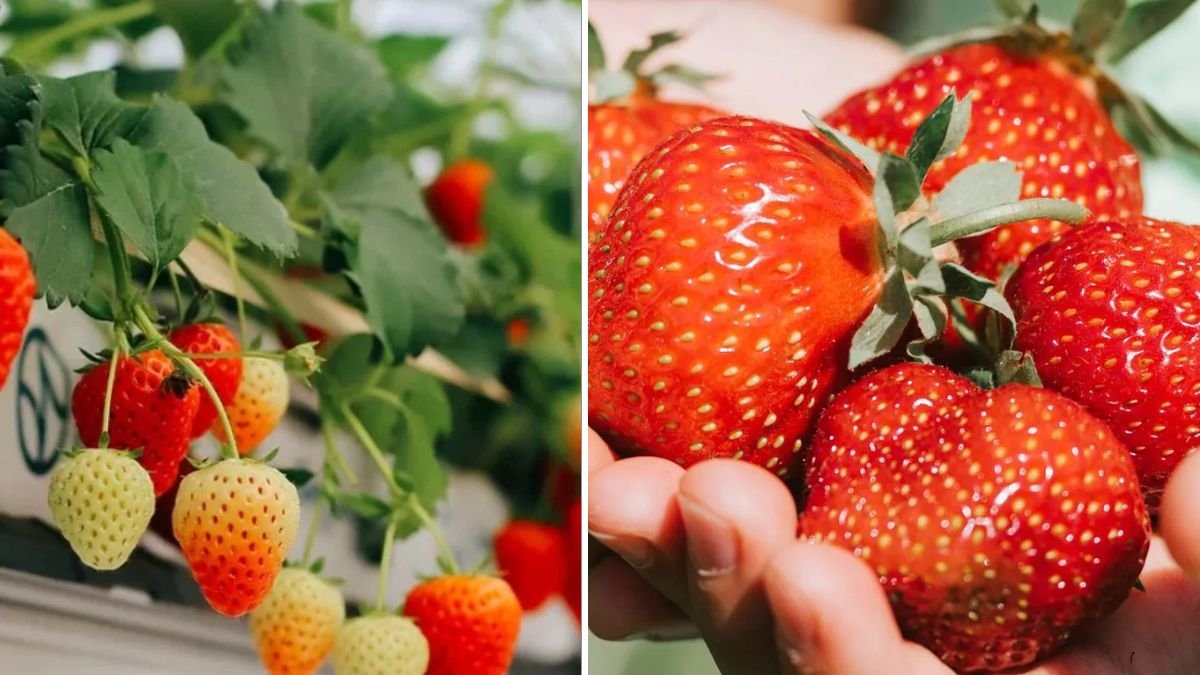
Hydroponic farming has completely transformed the way we grow fruits and vegetables, and among the most exciting crops to cultivate this way are strawberries. These bright red, juicy, and sweet fruits are loved worldwide—but growing them conventionally can be challenging due to soil diseases, pests, and unpredictable weather. That’s where hydroponic strawberry farming becomes a true game-changer. It allows growers to harvest clean, delicious strawberries all year long—without using soil!
In this 1200-word article, we’ll explore the magic, beauty, and success of awesome hydroponic strawberry farming, along with the joy of harvesting these vibrant berries in a modern, efficient, and sustainable way.
The Magic of Hydroponic Strawberries
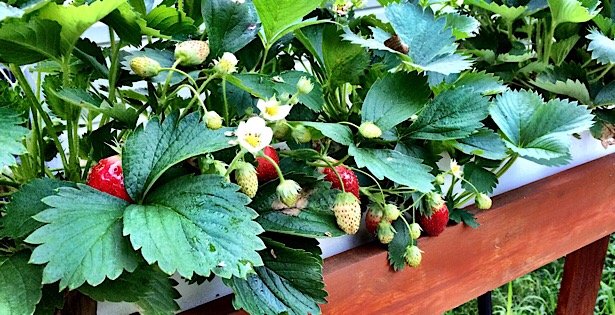
Hydroponics is a method of growing plants using water enriched with nutrients—no soil required. Strawberries flourish in this environment because their roots receive a perfect balance of nutrients, oxygen, and moisture.
The result?
Vibrant green plants
Faster growth
Larger, juicier berries
Clean, pest-free harvests
Hydroponic strawberries look like jewels hanging from lush green vines, creating an incredibly beautiful and productive garden—whether on a large farm or a tiny balcony.
Why Hydroponic Strawberry Farming Is Becoming So Popular
1. Year-Round Harvest
Hydroponic systems allow farmers to grow strawberries in any season. Whether it’s summer or winter, the plants can thrive with controlled temperature and lighting.
2. Space-Efficient Farming
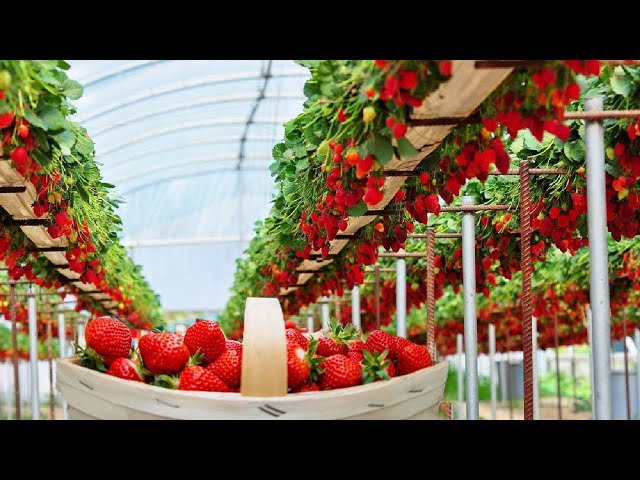
Vertical hydroponic towers or shelves maximize space, allowing more strawberry plants to grow in the same area than traditional farming.
3. No Soil, No Problems
Without soil, plants avoid soil-borne diseases, root rot, and pests—reducing the need for harmful pesticides.
4. Cleaner and Safer Fruits
Hydroponically grown strawberries are cleaner, brighter, and safer because they don’t touch the ground.
5. Water Conservation
Hydroponic systems recycle water, using up to 90% less water than traditional farming—a major environmental benefit.
Hydroponic Systems Used for Strawberries
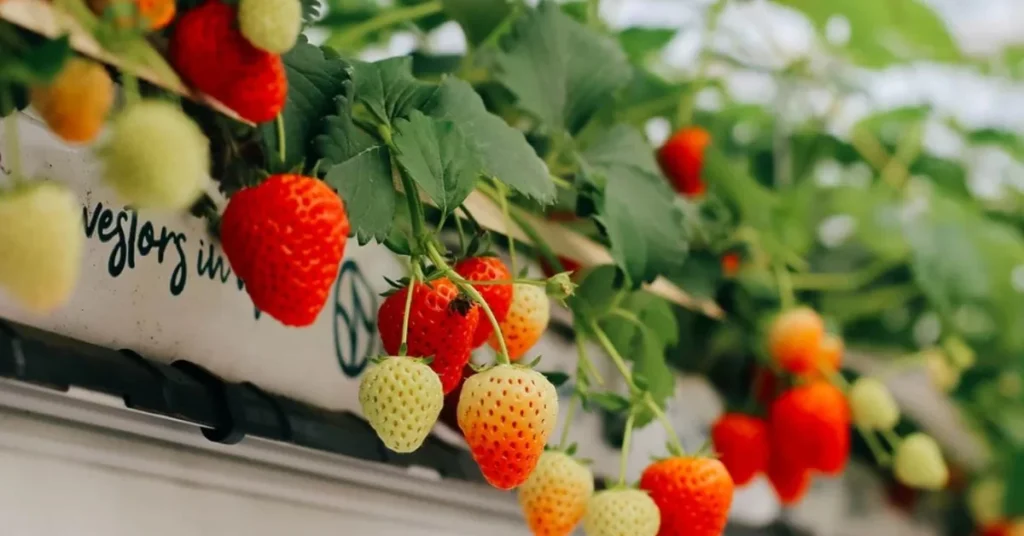
There are several hydroponic setups ideal for growing strawberries:
1. Nutrient Film Technique (NFT)
A thin stream of nutrient-rich water continuously flows along the roots. This system is commonly used for commercial strawberry farms.
2. Deep Water Culture (DWC)
Roots are suspended in nutrient-rich oxygenated water. Great for beginners.
3. Drip Irrigation Hydroponics
Each plant receives nutrients through slow drips, ensuring controlled feeding.
4. Vertical Towers
Perfect for small spaces—plants grow in vertical columns, saving space while producing tons of strawberries.
Each of these systems makes strawberry farming easier, cleaner, and more productive.
Ideal Conditions for Growing Hydroponic Strawberries
Light
Strawberries require 10–12 hours of bright light daily. Indoor growers often use LED grow lights.
Temperature
Perfect temperature range:
18–25°C (65–77°F) for growth
13–18°C (55–65°F) for fruiting
Nutrient Solution
Hydroponic strawberries need a balanced mix of:
- Nitrogen
- Calcium
- Potassium
- Magnesium
- Iron
This ensures stronger plants and sweeter strawberries.
pH Level
Keep water pH between 5.5 and 6.5 for ideal nutrient absorption.
Planting Strawberries in Hydroponics
Hydroponic strawberries can be started using:
- Runners
- Bare-root plants
- Young nursery seedlings
Once placed in the growing medium (coco peat, perlite, rockwool), roots quickly adapt to the nutrient solution and start building strong growth.
Within a few weeks, the plants grow green leaves, produce white flowers, and soon… the magical transformation begins.
From Blossoms to Berries: The Beauty of Strawberry Growth
Hydroponic strawberry plants bloom with delicate white flowers, each with a golden yellow center. These flowers later develop into strawberries.
The progresses beautifully:
- Flower blooms
- Petals fall off
- Small green berry forms
- Berry grows and turns pale pink
- Fruit ripens into deep red sweetness
Watching this process in a clean hydroponic setup feels like witnessing nature’s art in slow motion.
Water and Nutrient Management

One of the biggest advantages of hydroponic farming is absolute control over what the plants consume. With precision feeding:
- Plants grow faster
- Fruits are sweeter
- Yields are higher
Farmers monitor electrical conductivity (EC) and pH levels to maintain perfect nutrient ratios.
Hydroponic strawberries are healthier because they get everything they need at the right time.
Sweet Strawberries: A Feast at Harvest Time
Harvesting hydroponic strawberries is a joyful moment. The berries hang beautifully, glowing red and glossy as if polished.
Signs of ripe strawberries:
Deep red color
Sweet fragrance
Soft but firm texture
Because the fruits never touch the soil, they are extremely clean—just pick, wash lightly, and enjoy!
Delicious Ways to Enjoy Hydroponic Strawberries
Hydroponic strawberries taste sweeter and fresher, making them perfect for:
Fresh eating
Smoothies
Strawberry milkshakes
Cakes, tarts & pastries
Fruit salads
Homemade jams
Desserts and ice cream toppings
Their vibrant color and sweet aroma make every recipe irresistible.
Environmental Benefits of Hydroponic Strawberry Farming
Hydroponics is not just productive—it’s environmentally friendly.
Saves water
Recycles water in a closed loop.
Uses less land
Ideal for urban farming and rooftop gardens.
Reduces pesticide us
Cleaner and healthier farming.
Reduces carbon footprint
Strawberries can be grown close to cities, reducing transportation.
Hydroponic strawberry farms are a major step toward sustainable agriculture.
Why Hydroponics Makes Strawberries Healthier

Studies show hydroponic strawberries often contain:
- More antioxidants
- Higher vitamin C
- Better flavor concentration
Since plants don’t waste energy fighting soil issues, they focus on producing delicious fruits.
Common Challenges and Solutions
Even hydroponic strawberries can face issues:
Yellowing Leaves
Often due to nutrient imbalance—adjust EC/pH.
Root Rot
Caused by low oxygen—add air stones or improve circulation.
Pests
Although reduced, aphids or spider mites may appear—use organic sprays.
Temperature Fluctuations
Maintain stable greenhouse or indoor temperatures.
With proper monitoring, these issues can be easily controlled.
The Future of Strawberry Farming
Hydroponic strawberry farming is becoming the preferred choice for growers because:
- Demand for clean fruits is rising
- Urban farming is expanding
- Technology makes growing easier
- Consumers prefer pesticide-free produce
Soon, hydroponic strawberries may dominate markets worldwide.
Conclusion: A Sweet Revolution in Modern Farming
Hydroponic strawberry farming is truly awesome—a blend of science, beauty, and flavor. Whether large-scale farms or small home systems, hydroponics allows strawberries to grow healthier, faster, and sweeter.
The bright red berries hanging from clean, soil-free plants create a breathtaking sight, and the harvest is nothing short of delicious satisfaction.