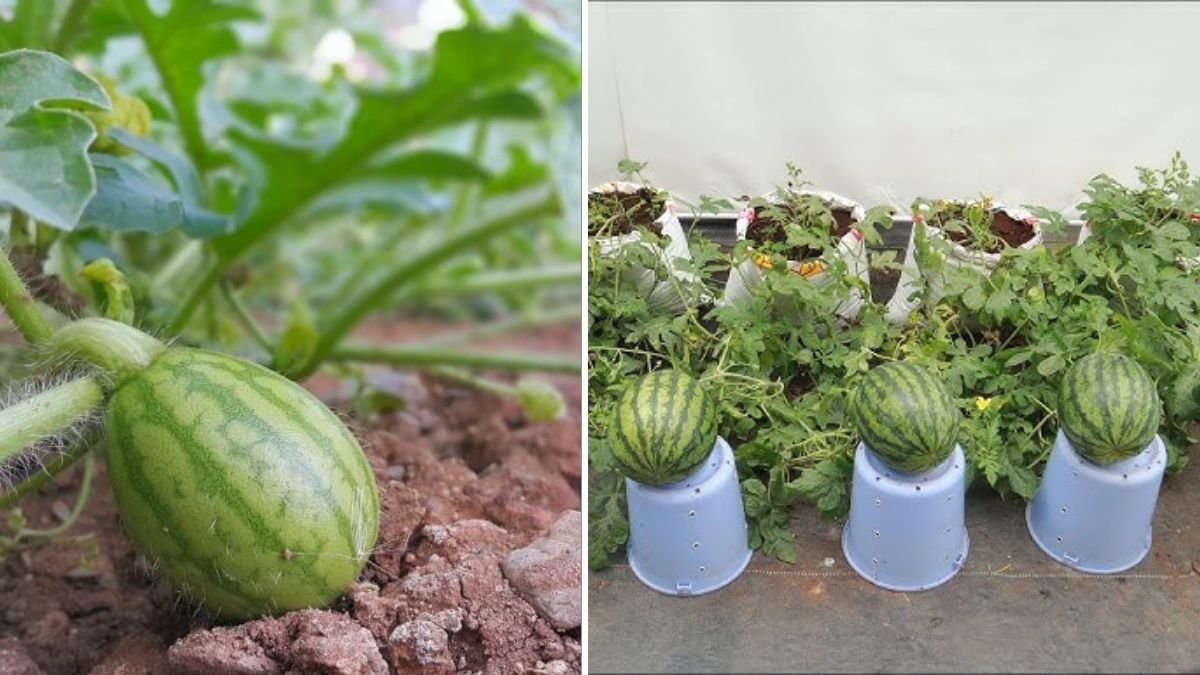
Watermelon is one of the most refreshing and beloved fruits around the world. Its juicy sweetness and hydrating qualities make it a summer favorite. But growing watermelons traditionally requires plenty of space, fertile soil, and time. What if you could grow big, sweet watermelons in a simple bag of soil, even if you have limited garden space or just a balcony? Yes, it’s possible — and it’s easier than you might think. This method allows urban gardeners and beginners alike to enjoy homegrown, delicious watermelons without a large garden.
Why Grow Watermelon in a Bag?
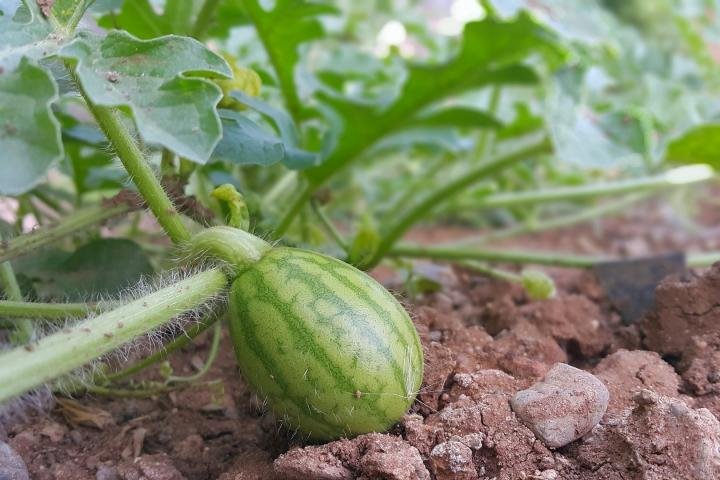
Growing watermelon in a bag might sound unusual, but it’s an ingenious way to maximize space, control soil conditions, and produce healthy fruits. Here’s why this method works so well:
- Space-Saving – Perfect for small gardens, terraces, or balconies. No need for large plots of land.
- Soil Control – You can provide the perfect soil mix for watermelon growth, avoiding nutrient deficiencies.
- Disease Prevention – Elevating plants in bags reduces contact with the ground, preventing fungal infections.
- Mobility – Bags can be moved to ensure adequate sunlight and protection from harsh weather.
- Bigger Fruits – Concentrated nutrients and controlled watering encourage strong growth and sweet, juicy fruits.
Materials You’ll Need
Before starting, gather the following:
- Large plastic or jute bags – At least 30–50 liters capacity.
- Potting soil – A mixture of garden soil, compost, and sand for good drainage.
- Watermelon seeds – Choose a variety suited to your climate; sugar baby and crimson sweet are popular.
- Fertilizer – Organic compost, vermicompost, or balanced NPK fertilizer.
- Trellis or support – Optional for vertical growth, especially in small spaces.
- Watering can – For regular irrigation.
Step-by-Step Guide to Growing Watermelon in a Bag

1. Prepare the Bag
- Choose a strong, durable bag that can hold at least 30 liters of soil.
- Punch several drainage holes at the bottom to prevent waterlogging.
- Optional: Place a tray underneath to catch excess water and keep your space clean.
2. Prepare the Soil
- Mix garden soil, compost, and sand in a 2:1:1 ratio.
- The compost enriches the soil with nutrients, while sand ensures proper drainage.
- Fill the bag about ¾ full with this mixture.
3. Plant the Seeds
- Soak watermelon seeds in water for 6–8 hours to speed up germination.
- Plant 2–3 seeds per bag, 2–3 cm deep.
- Gently water to moisten the soil without washing the seeds away.
4. Sunlight and Temperature
- Watermelon requires 6–8 hours of direct sunlight every day.
- Ideal temperature range: 25–35°C (77–95°F).
- Keep the bag in a sunny spot; rotate it if necessary for even growth.
5. Watering
- Water consistently to keep the soil moist but not soggy.
- Avoid overwatering as it may cause root rot and affect fruit quality.
- Water more frequently during flowering and fruiting stages.
Fertilization and Care Tips
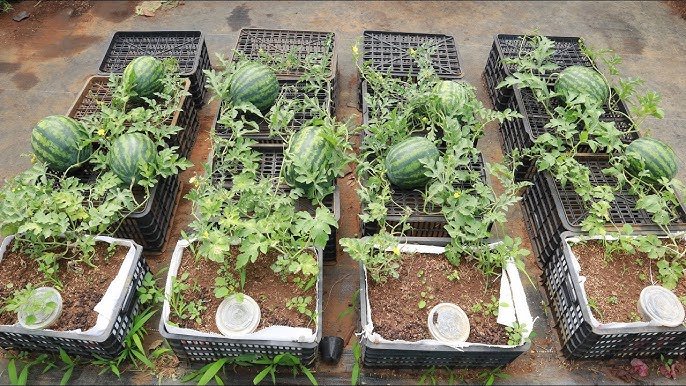
- Organic Fertilizer – Apply vermicompost or compost every 10–15 days for rich nutrients.
- Balanced Fertilizer – Use NPK (10:10:10) or similar balanced fertilizer once every 2–3 weeks.
- Mulching – Cover the soil with dry leaves or straw to retain moisture and reduce weed growth.
- Pruning – Remove excess vines and leaves to allow the plant to focus energy on fruit development.
- Pollination – Hand-pollinate flowers using a soft brush if grown indoors or where pollinators are scarce.
Support and Growth
While watermelons naturally sprawl on the ground, in bag cultivation, it’s often helpful to provide support for the vines:
- Install a trellis and train vines to grow vertically.
- Tie fruits gently with soft cloth or netting to support their weight.
- Vertical growth saves space and improves air circulation, reducing the risk of diseases.
Troubleshooting Common Problems
- Yellowing Leaves – Usually due to nutrient deficiency or overwatering. Apply compost and reduce water if needed.
- Small Fruits – May occur due to poor pollination, insufficient sunlight, or nutrient shortage. Fertilize and hand-pollinate.
- Pests – Aphids, whiteflies, and fruit flies are common. Use neem oil or natural insecticidal sprays.
- Flower Drop – Often caused by temperature stress or inconsistent watering. Ensure stable conditions and proper pollination.
Harvesting Your Watermelon
Watermelons usually take 70–90 days from planting to harvest, depending on the variety. Here’s how to know they are ready:
- Tendrils Turn Brown – The tendril nearest to the fruit dries out and turns brown.
- Color Change – The fruit develops a dull, matte finish on the surface.
- Ground Spot – The side touching the soil becomes creamy yellow.
- Sound Test – Tap the fruit; a deep, hollow sound indicates ripeness.
Harvest by cutting the fruit carefully with a knife or scissors, leaving a small stem attached. Avoid pulling, which can damage the vine.
Benefits of Growing Watermelon at Home

Growing watermelon in bags is not just convenient — it’s incredibly rewarding:
- Fresh and Organic – Enjoy sweet, chemical-free watermelons straight from your home.
- Cost-Effective – Save money while ensuring high-quality produce.
- Health Benefits – Watermelon is rich in vitamins A, C, antioxidants, and hydration properties.
- Sustainable Gardening – Reuse bags and grow in small spaces, promoting eco-friendly practices.
Creative Ways to Enjoy Your Harvest
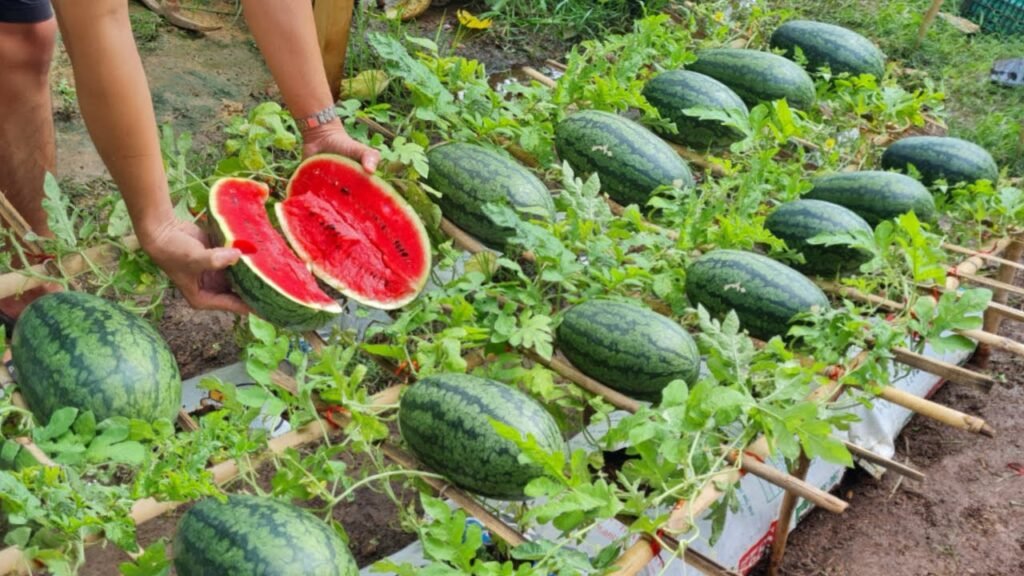
Once your sweet, juicy watermelons are ready, there are countless ways to enjoy them:
- Fresh Slices – Chill and slice for a refreshing summer snack.
- Smoothies and Juices – Blend with mint, lemon, or berries for a nutritious drink.
- Salads – Combine with cucumber, feta, and mint for a summer salad.
- Desserts – Freeze watermelon cubes or make sorbet for a cool treat.
- Share with Friends and Family – When your harvest is large, give away some fruits and spread the joy of homegrown produce.
Conclusion
Growing watermelon in a bag is a revolutionary way to enjoy this delicious fruit even with limited space. From small balconies to compact gardens, this method allows anyone to grow big, sweet watermelons with minimal effort. By controlling soil, water, and nutrients, you can achieve a bountiful harvest that will amaze your friends and family.
So don’t wait for a large garden plot — grab a bag, prepare your soil, plant your seeds, and get ready for a summer full of juicy, sweet watermelons. Whether for personal enjoyment or to share with loved ones, homegrown watermelons have a flavor and freshness that no store-bought fruit can match.