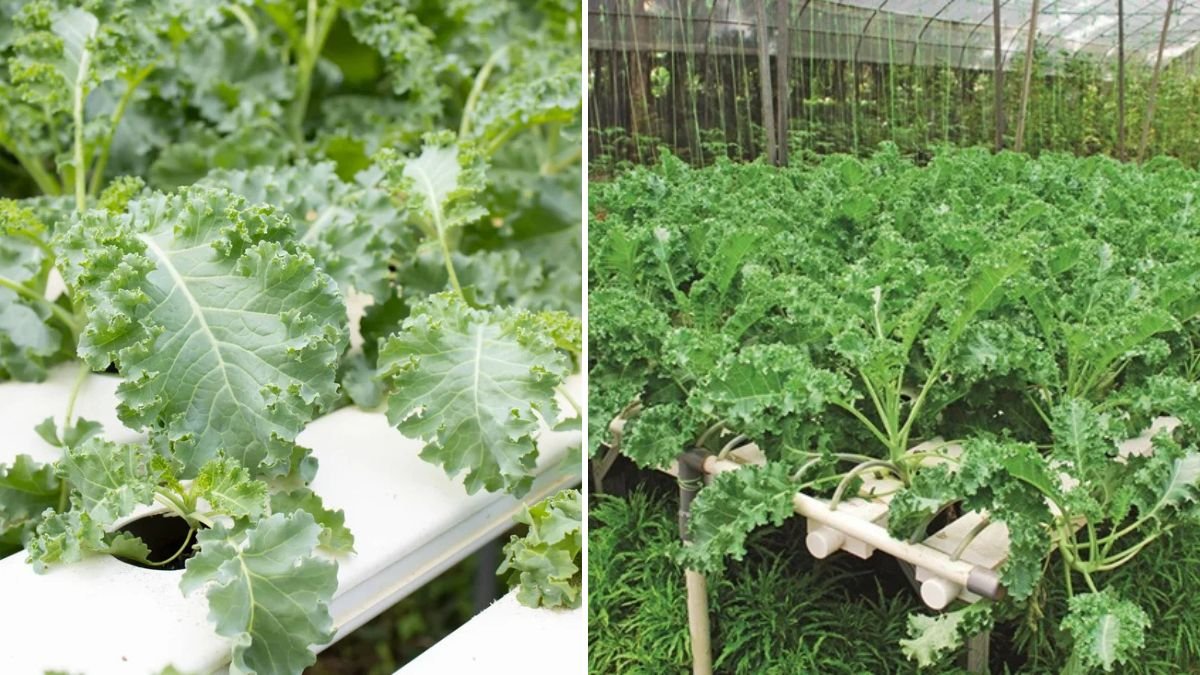
Chinese kale, also known as kai-lan, is a popular leafy green vegetable known for its tender stems, nutritious leaves, and slightly sweet flavor. Traditionally grown in soil, Chinese kale can also thrive in hydroponic systems, allowing gardeners to cultivate fresh, healthy greens all year round, even in limited space.
Hydroponic cultivation is a soil-free method that uses nutrient-rich water to grow plants efficiently. This method saves space, reduces pest problems, and accelerates plant growth, making it perfect for urban gardeners and commercial growers alike. In this guide, we’ll walk you through step-by-step instructions to grow Chinese kale hydroponically, covering everything from setup to harvesting.
Why Grow Chinese Kale Hydroponically?
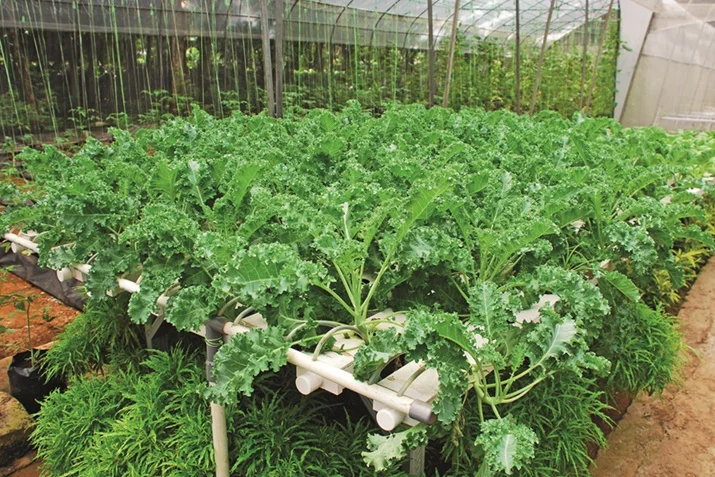
Hydroponic gardening offers several advantages over traditional soil-based methods:
1. Faster Growth
- Nutrients are directly available to plant roots, promoting rapid growth.
- Chinese kale can be harvested in 25–35 days from sowing in hydroponics.
2. Space Efficiency
- Vertical or horizontal hydroponic setups allow maximum yield in minimal space.
- Ideal for balconies, rooftops, or small indoor gardens.
3. Reduced Pest and Disease Problems
- Soil-borne diseases and pests are minimized.
- Clean water systems prevent fungal infections.
4. Year-Round Production
- Controlled environment allows cultivation irrespective of seasonal changes.
- Continuous harvesting is possible with staggered planting.
5. Eco-Friendly
- Uses less water than traditional soil gardening.
- No need for chemical pesticides if managed properly.
💡 Tip: Hydroponics also produces cleaner, more flavorful greens, as they’re not exposed to soil contaminants.
Step 1: Choosing a Hydroponic System
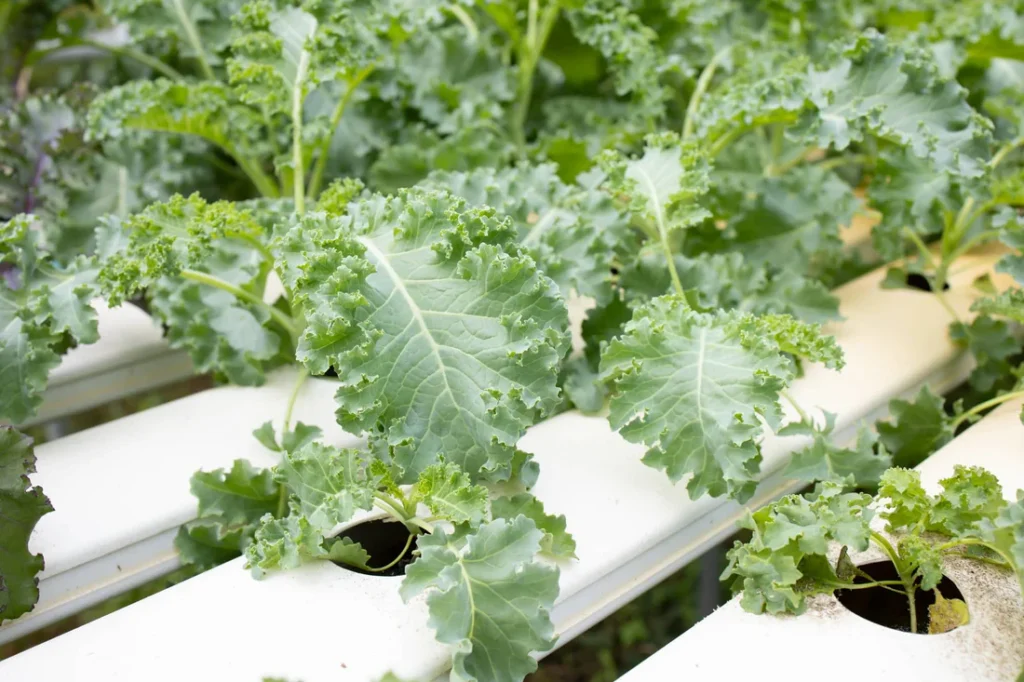
There are several hydroponic methods suitable for Chinese kale:
1. Nutrient Film Technique (NFT)
- Roots grow in a shallow stream of nutrient solution flowing over a sloped channel.
- Ideal for leafy greens like Chinese kale.
2. Deep Water Culture (DWC)
- Plants float on rafts with roots submerged in oxygenated nutrient solution.
- Simple and cost-effective for small setups.
3. Wick System
- Passive hydroponic method using a wick to draw nutrients to the roots.
- Suitable for beginners, but may be slower for fast-growing kale.
4. Vertical Hydroponics
- Stacked columns with holes for each plant allow maximum space utilization.
- Perfect for balconies or limited floor space.
💡 Pro Tip: For beginners, a simple DWC or NFT system is ideal for Chinese kale due to fast growth and easy management.
Step 2: Preparing Seeds and Germination
Healthy seeds are the foundation of a productive hydroponic system:
- Seed Selection: Use fresh, high-quality Chinese kale seeds for better germination.
- Soaking: Soak seeds in water for 6–12 hours to soften the seed coat.
- Germination Medium: Place seeds on rockwool cubes, sponge plugs, or seed trays.
- Moisture: Keep medium moist but not waterlogged.
- Light: Provide indirect sunlight or LED grow lights for 12–16 hours per day.
Germination Time: Seeds usually sprout within 3–5 days.
💡 Tip: Maintain temperature around 20–25°C (68–77°F) for optimal germination.
Step 3: Preparing Nutrient Solution
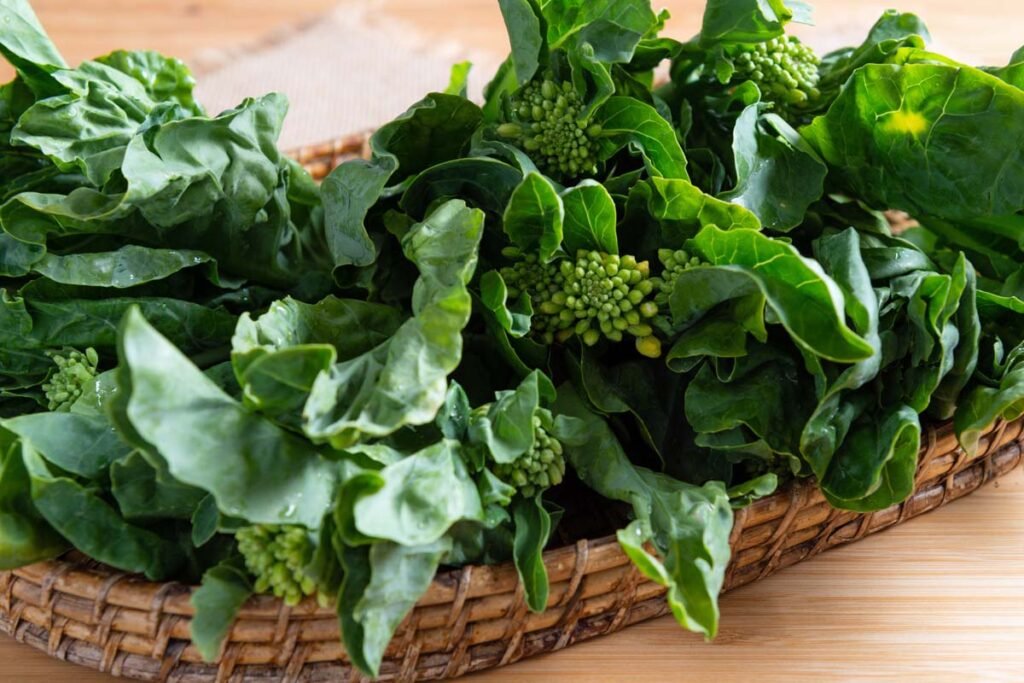
Hydroponic success depends on balanced nutrients:
Essential Nutrients for Chinese Kale
- Nitrogen (N) – promotes leafy growth
- Phosphorus (P) – supports root development
- Potassium (K) – enhances overall growth and disease resistance
- Calcium (Ca), Magnesium (Mg), and Sulfur (S) – vital for cell structure
- Trace elements: Iron, Zinc, Manganese, Copper, Boron, Molybdenum
Mixing Nutrients
- Use commercially available hydroponic nutrient solutions or prepare your own using water-soluble fertilizers.
- Maintain EC (Electrical Conductivity) around 1.2–1.8 mS/cm.
- Keep pH between 5.5–6.5 for optimal nutrient absorption.
💡 Tip: Regularly check EC and pH levels, adjusting as needed to prevent nutrient deficiencies.
Step 4: Transplanting Seedlings
Once seedlings have 2–3 true leaves and a healthy root system, transplant them into the hydroponic system:
- Place seedlings in rockwool cubes or net pots.
- Position roots in contact with the nutrient solution without submerging the crown.
- Ensure seedlings are spaced 4–6 inches apart to allow proper airflow and light penetration.
💡 Tip: Handle seedlings gently to avoid damaging delicate roots.
Step 5: Light Requirements
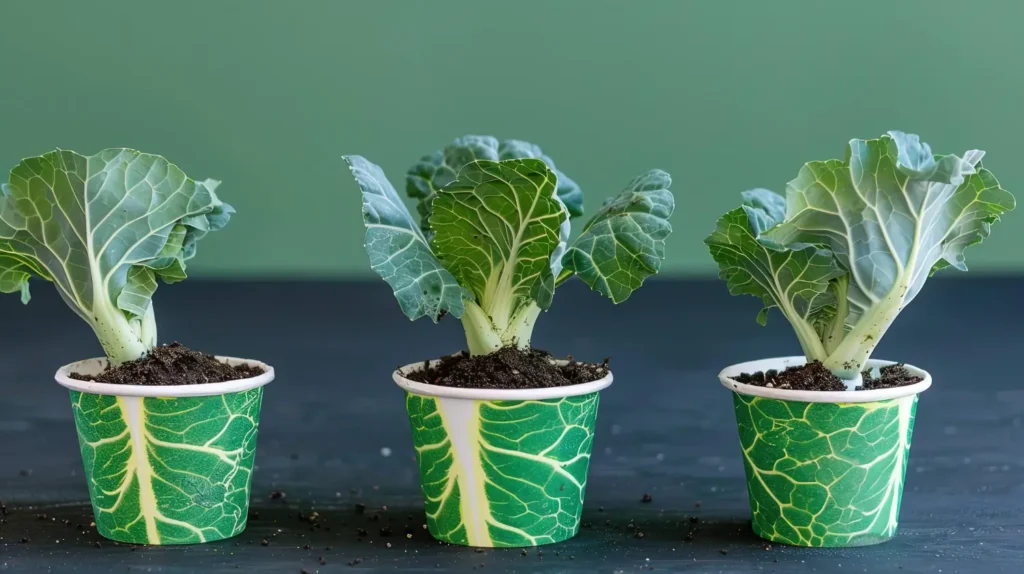
Chinese kale requires adequate light for photosynthesis:
- Natural Sunlight: 6–8 hours daily is ideal.
- Indoor Grow Lights: Use LED or fluorescent lights for 12–16 hours per day if sunlight is insufficient.
- Distance: Keep lights 6–12 inches above plants to prevent stretching.
💡 Tip: Rotate plants if using horizontal setups to ensure uniform growth.
Step 6: Watering and Oxygenation
In hydroponics, water quality and oxygen levels are critical:
- Maintain water temperature between 20–25°C.
- Use an air pump and air stones in DWC to oxygenate the solution.
- Keep water levels consistent; replenish evaporated water with fresh nutrient solution.
💡 Tip: Avoid stagnant water, which can lead to root rot or algae growth.
Step 7: Monitoring Growth and Nutrient Management
- Check plants daily for leaf color, root health, and growth rate.
- Adjust nutrient solution concentration based on plant needs.
- Flush the system every 2–3 weeks to prevent salt accumulation.
💡 Tip: Yellowing leaves may indicate nitrogen deficiency, while curling leaves may suggest excess salts or improper pH.
Step 8: Pest and Disease Management
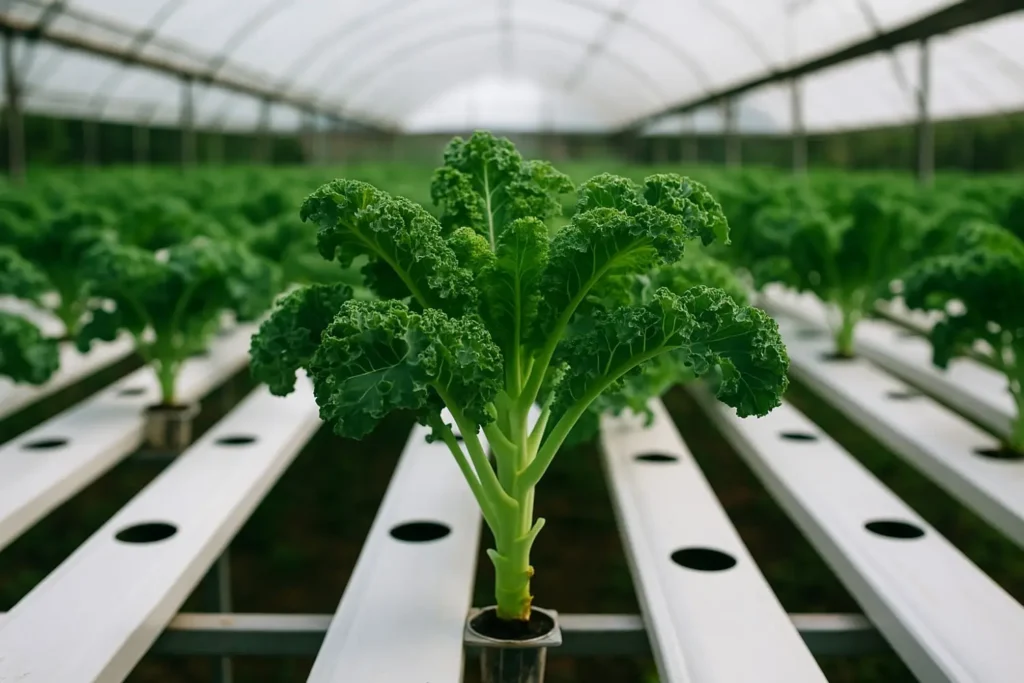
Hydroponics reduces soil-borne pests, but vigilance is still necessary:
Common Pests
- Aphids
- Whiteflies
- Fungus gnats
Diseases
- Root rot (from poor oxygenation)
- Powdery mildew (rare in hydroponics)
Control Measures:
- Spray neem oil or insecticidal soap for pests.
- Maintain proper air circulation.
- Avoid overwatering or overcrowding.
Step 9: Harvesting Chinese Kale
- Chinese kale can be harvested 25–35 days after transplanting, depending on variety.
- Pick leaves or cut entire stems just above the crown.
- Harvest young tender leaves for better taste.
- Regular harvesting promotes continuous growth.
💡 Tip: Avoid cutting too close to the crown to allow regrowth for multiple harvests.
Step 10: Benefits of Hydroponic Chinese Kale
- Fresh, Nutrient-Rich Leaves: Hydroponics produces cleaner greens.
- Year-Round Supply: Grow continuously without seasonal limitations.
- Space Efficiency: Ideal for urban homes and small gardens.
- Reduced Pesticide Use: Fewer pests mean safer vegetables.
- Faster Growth: Hydroponics accelerates plant development and yield.
Quick Checklist for Hydroponic Chinese Kale
| Step | Tip |
|---|---|
| Hydroponic System | DWC, NFT, or vertical setup |
| Seedlings | 2–3 true leaves, healthy roots |
| Nutrient Solution | EC 1.2–1.8 mS/cm, pH 5.5–6.5 |
| Spacing | 4–6 inches apart |
| Light | 6–8 hours sunlight or 12–16 hours LED |
| Watering | Maintain level and oxygenation |
| Fertilization | Balanced hydroponic nutrients weekly |
| Pest Management | Neem oil, good airflow, monitor daily |
| Harvest | 25–35 days, young tender leaves |
Conclusion
Hydroponically grown Chinese kale offers fresh, nutritious greens year-round while saving space and reducing traditional gardening challenges. By following the steps outlined — from seed germination and nutrient preparation to proper lighting, watering, and pest management — anyone can cultivate healthy, fast-growing Chinese kale at home or on a small commercial scale.
Whether you are an urban gardener with limited space or a hydroponics enthusiast looking to optimize yields, this method ensures high-quality, clean, and continuous harvests. Start your hydroponic Chinese kale garden today, and enjoy the satisfaction of homegrown, leafy greens with minimal effort and maximum results!