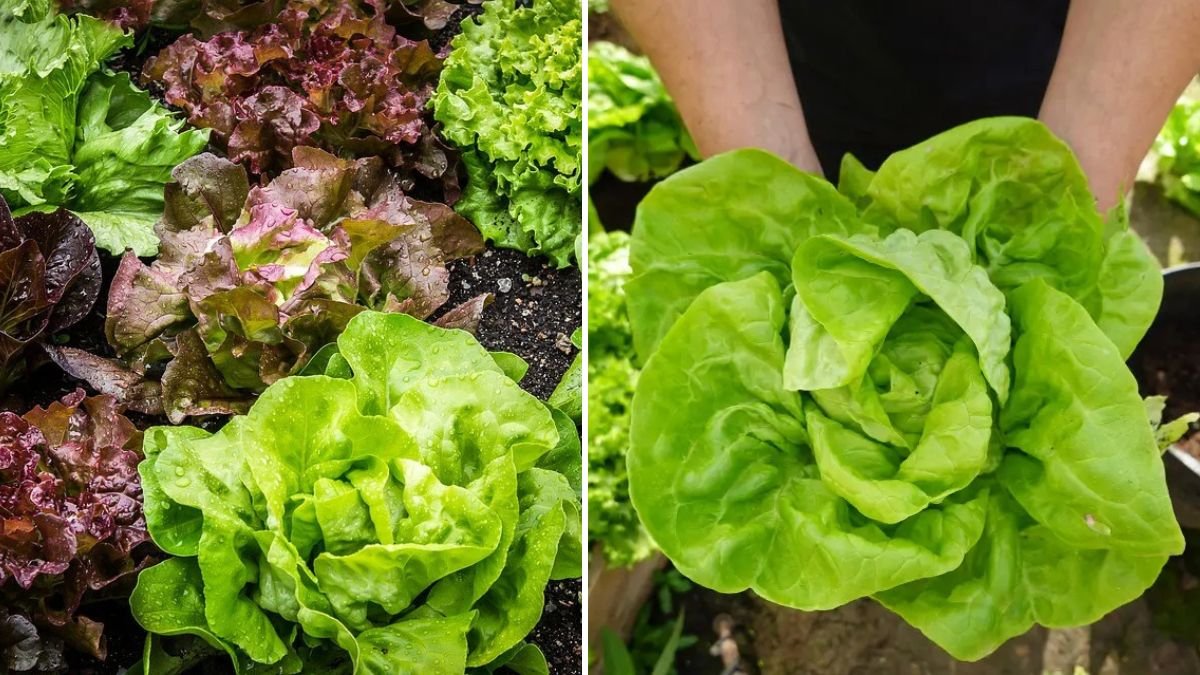
Hydroponics has revolutionized the way we grow vegetables, allowing fresh, nutrient-rich produce right at home or in small urban spaces. Among the easiest and most rewarding crops to start with is lettuce. With its fast growth, minimal space requirements, and high yield, hydroponic lettuce is perfect for beginners and seasoned growers alike. This guide will take you step by step from planting seeds to nurturing strong, healthy lettuce roots that will give you vibrant, crunchy leaves all year round.
Why Hydroponic Lettuce?
Growing lettuce hydroponically offers several advantages over traditional soil cultivation:
- Faster Growth: Without soil, lettuce roots can absorb nutrients directly from the water, which accelerates growth.
- Cleaner Produce: Hydroponic systems reduce the risk of soil-borne diseases and pests.
- Space Efficiency: Vertical racks or small containers are enough to grow plenty of lettuce, making it ideal for urban gardens.
- Water Conservation: Hydroponics uses up to 90% less water compared to traditional soil gardening.
Lettuce is especially suited to hydroponics because it thrives in water-rich environments and has shallow roots, making it easier to manage for beginners.
Step 1: Selecting Seeds
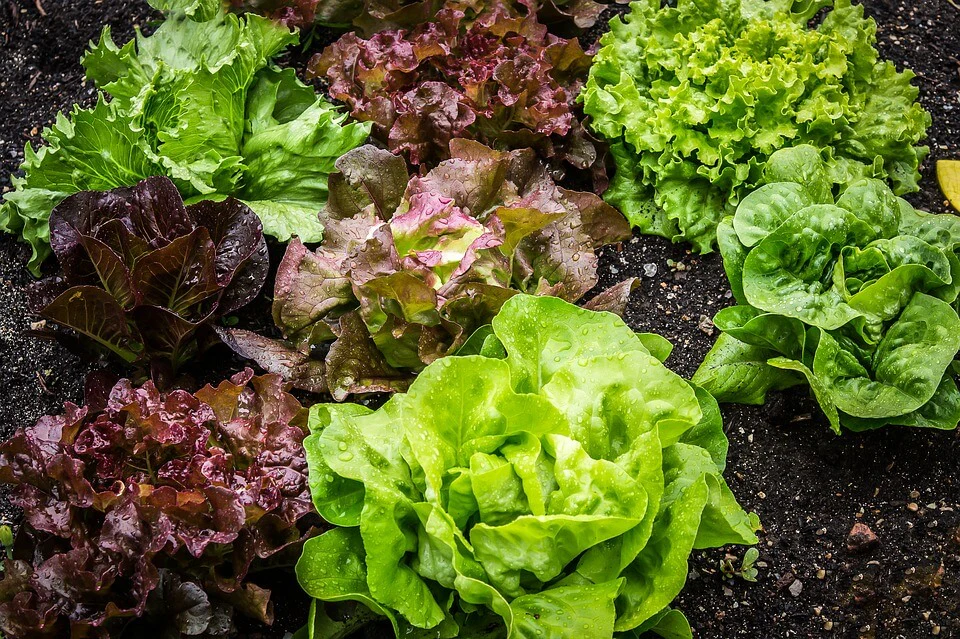
Start with high-quality lettuce seeds. There are many varieties suitable for hydroponic growth:
- Leaf Lettuce: Loose leaves, fast-growing, and continuous harvest.
- Romaine: Crisp texture, slightly slower growth but highly nutritious.
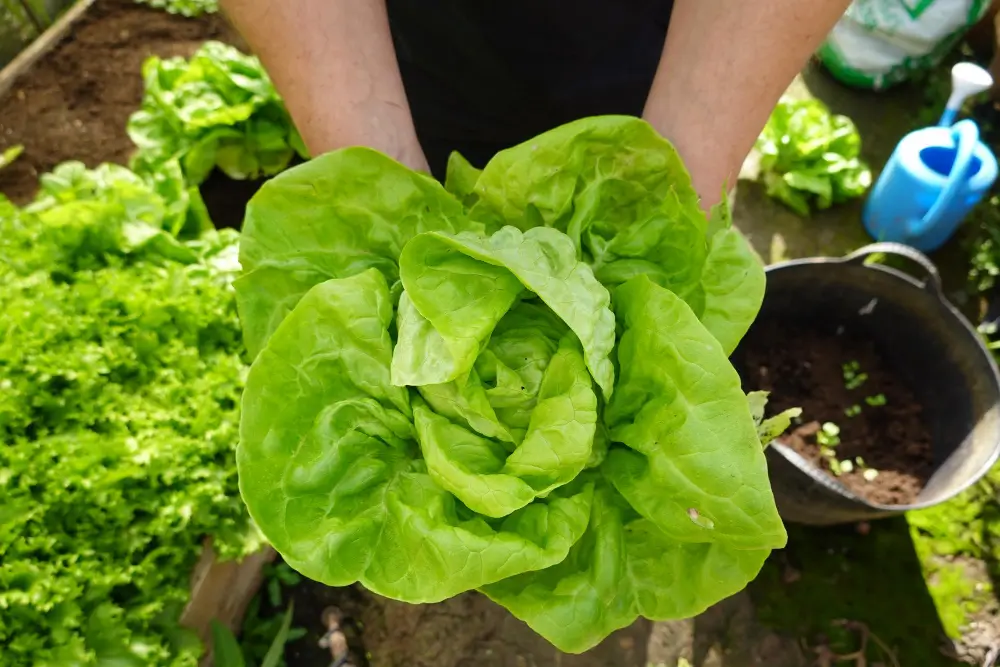
- Butterhead: Soft, tender leaves with a mild flavor.
For beginners, leaf lettuce is recommended because it grows quickly and is forgiving to minor mistakes.
Step 2: Preparing the Seedling Tray
Hydroponic lettuce seedlings need a stable environment for germination:
- Choose the Right Tray: Use shallow trays with drainage holes.
- Growing Medium: Options include rock wool, coco coir, or hydroponic sponges. These provide support while allowing roots to access water and nutrients.
- Moisture Control: Ensure the medium is consistently damp but not waterlogged.
Tip: Rock wool cubes are a popular choice because they maintain moisture while providing good aeration for the roots.
Step 3: Germinating the Seeds
Seed germination is the first critical stage in hydroponic lettuce cultivation:
- Sow Seeds: Place 1-2 seeds per cube or sponge.
- Maintain Humidity: Cover the tray with a clear lid or plastic wrap to retain moisture.
- Provide Light: Lettuce seeds need 12–16 hours of light daily. A sunny windowsill or LED grow lights works perfectly.
- Temperature: Keep the environment around 20–24°C (68–75°F) for optimal germination.
Lettuce seeds usually sprout within 3–7 days. Once seedlings appear, remove the cover to allow airflow and prevent mold growth.
Step 4: Nurturing Strong Roots
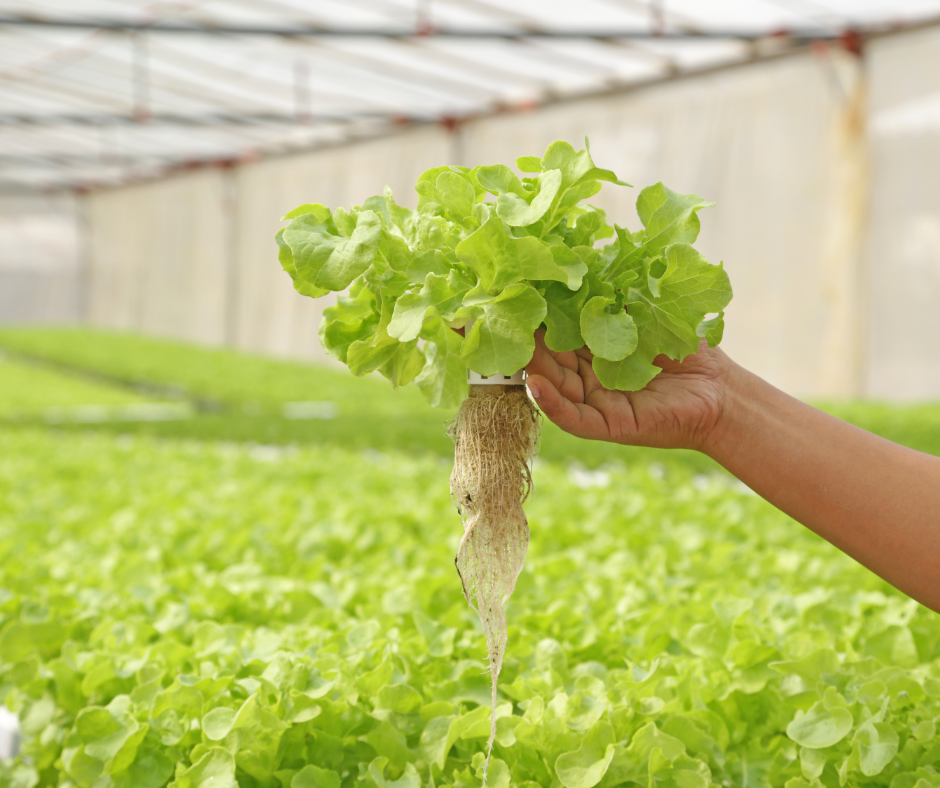
A healthy root system is key to growing robust hydroponic lettuce:
- Hydroponic Nutrients: Use a balanced nutrient solution designed for leafy greens. Monitor pH (5.5–6.5) and electrical conductivity (EC 1.2–1.8 mS/cm).
- Oxygen Supply: Roots require oxygen for proper growth. Aerate the water using an air pump if necessary.
- Consistent Water Level: Ensure roots are submerged but not drowned. The base of the seedlings should touch the nutrient solution.
- Avoid Stress: Sudden temperature changes or nutrient fluctuations can stunt root growth.
Within 2–3 weeks, your lettuce seedlings will develop strong, white roots, ready for transplanting into the main hydroponic system.
Step 5: Transplanting Seedlings
Once seedlings are 2–3 inches tall and roots are well-formed, it’s time to move them into your hydroponic setup:
- Choose Your System: Popular systems include NFT (Nutrient Film Technique), deep water culture (DWC), or vertical towers.
- Spacing: Maintain at least 6–8 inches between plants to allow room for leaves to expand.
- Careful Handling: Avoid damaging roots during transplant. Gently place the seedling into the new medium or net pot.
Step 6: Ongoing Care and Maintenance
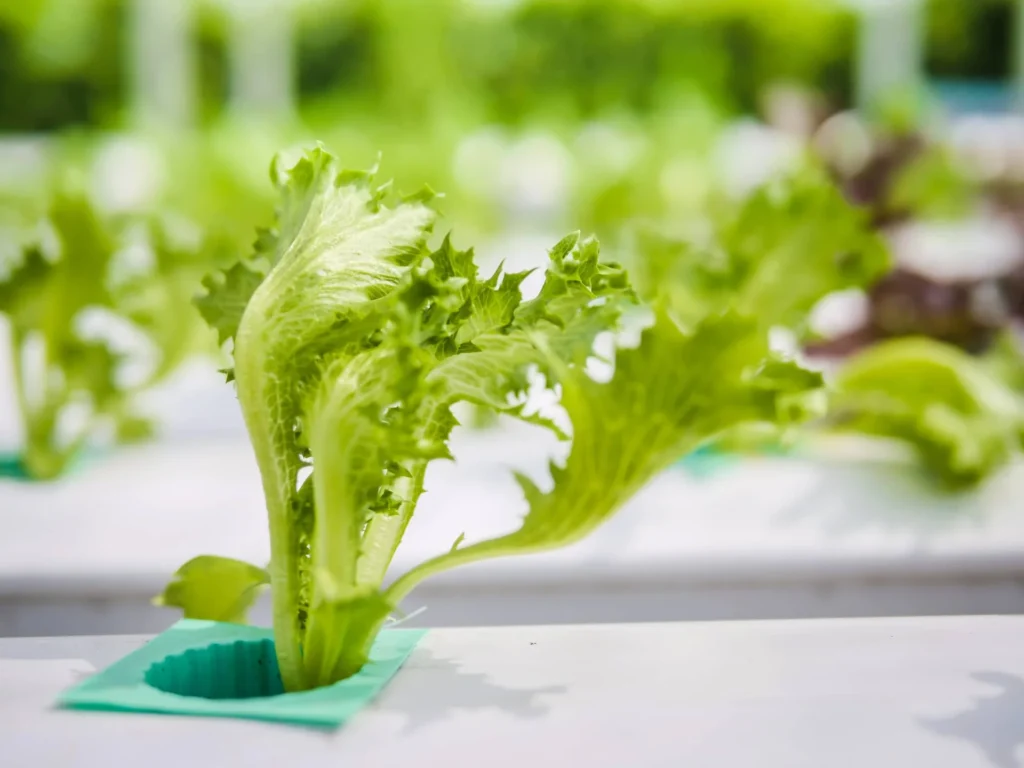
Healthy hydroponic lettuce requires attention to water, nutrients, and light:
- Light: 12–16 hours daily. Use LED grow lights for indoor setups.
- Nutrients: Monitor EC and pH every few days. Adjust as needed to avoid deficiencies or toxicities.
- Temperature: Keep daytime temperatures between 18–24°C (65–75°F). Avoid extremes that can cause bolting.
- Pruning: Remove damaged or yellow leaves to encourage new growth.
- Pest Control: Hydroponics reduces pests, but watch for aphids or fungal issues. Use organic sprays if needed.
Tip: Regularly flushing the system with fresh nutrient solution helps prevent salt buildup, keeping the roots healthy and leaves tender.
Step 7: Harvesting Your Lettuce
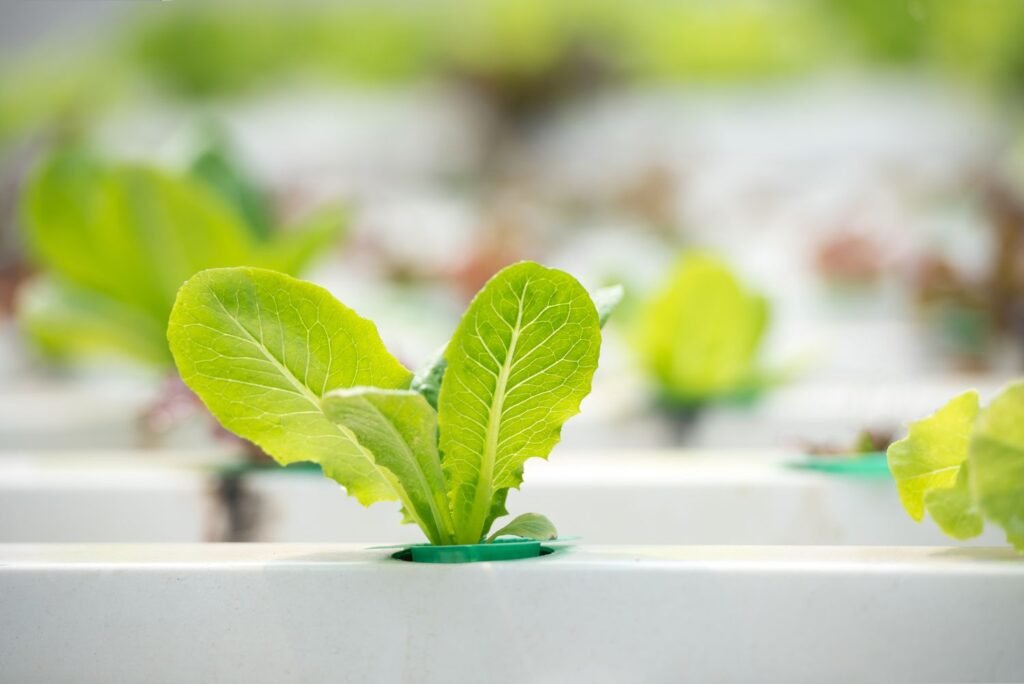
One of the most rewarding moments in hydroponic gardening is harvesting:
- Leaf Lettuce: Harvest outer leaves continuously, allowing the plant to regrow.
- Romaine and Butterhead: Harvest the entire head once it reaches maturity (usually 30–40 days).
- Time of Day: Pick in the morning when leaves are crisp and hydrated.
Proper harvesting encourages new growth and ensures a continuous supply of fresh, flavorful lettuce.
Step 8: Troubleshooting Common Issues
Even with careful attention, problems can arise. Here’s how to handle them:
- Slow Growth: Check nutrient levels and light exposure. Ensure roots are oxygenated.
- Yellow Leaves: Could indicate nitrogen deficiency or overwatering. Adjust nutrients and water levels.
- Bolting: Usually caused by high temperatures or long daylight. Maintain optimal temperature and harvest promptly.
- Root Rot: Often due to stagnant water or poor aeration. Aerate and change water regularly.
Step 9: Maximizing Yield
To grow more lettuce efficiently:
- Use vertical hydroponic towers or stacked NFT systems.
- Rotate crops regularly to maintain a steady supply.
- Use high-density planting only if adequate light and nutrients are provided.
Conclusion
Growing hydroponic lettuce from seed to strong roots is a simple yet rewarding process. With proper attention to seedlings, nutrients, and root care, you can enjoy a continuous harvest of fresh, crisp, and healthy lettuce all year round. Hydroponics not only saves space and water but also allows you to take control of what you eat, producing chemical-free, homegrown greens. Whether you are a beginner or a seasoned grower, following these steps will set you on the path to a thriving hydroponic lettuce garden.
Hydroponic lettuce is more than just a crop—it’s a gateway to sustainable, modern gardening that combines science, nutrition, and satisfaction in every crunchy bite. Start with seeds today and watch your leafy greens flourish!