Gardeners everywhere face a common challenge: soil fatigue. After repeated planting cycles, even the richest garden soil can lose its nutrients, structure, and vitality. Rather than discarding this soil and starting fresh, an exciting solution is emerging—soil reuse experiments. By carefully reviving and replenishing old soil, gardeners can reduce waste, save money, and create an environment where plants thrive just as much as they would in new soil. In this article, we explore the science, methodology, and success of a soil reuse experiment that can transform your gardening approach.
Why Soil Reuse Matters
Reusing soil is more than an economical choice—it’s an environmentally friendly practice that conserves resources:
- Cost-Effective: Replenishing existing soil is cheaper than buying new bags of garden soil every season.
- Eco-Friendly: Reduces the need for packaging, transport, and extraction of new soil.
- Sustainable Gardening: Promotes circular gardening, where resources are continuously regenerated.
- Soil Health Awareness: Encourages gardeners to understand the components and life within soil, leading to better planting decisions.
Repeated planting without replenishing nutrients can deplete soil, making it compact, dry, or low in fertility. A soil reuse experiment provides a way to restore vitality and study how plants respond to regenerated soil conditions.
Step 1: Collecting and Assessing Used Soil
The first step in the soil reuse experiment is to gather the soil from previous growing cycles:
- Source Selection: Soil from raised beds, containers, or garden plots can be used. Avoid soil contaminated with disease or persistent pests.
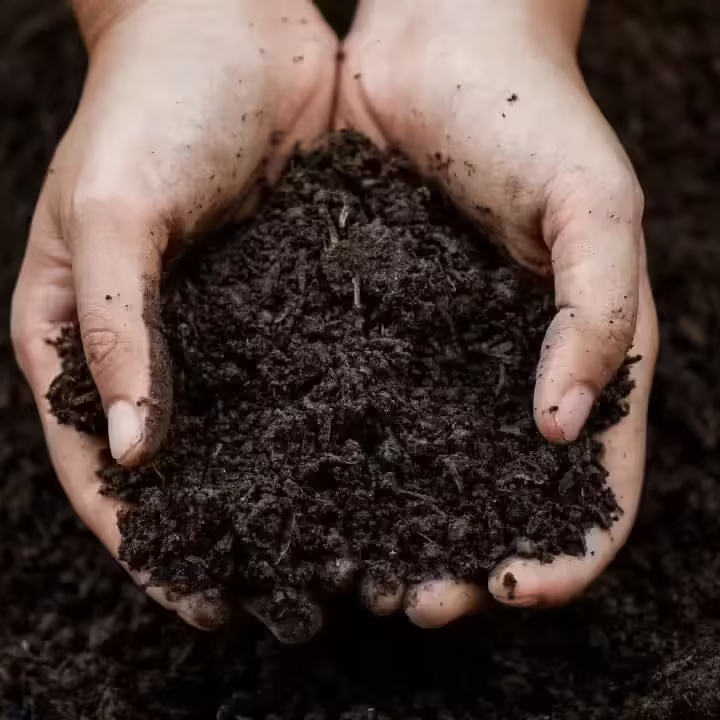
- Visual Assessment: Check for compaction, color changes, or fungal growth. Healthy soil should be crumbly, dark, and earthy-smelling.
- Preliminary Screening: Remove large roots, stones, and debris. This ensures uniform texture for planting.
After collection, the soil is ready for evaluation. Simple tests like checking for moisture retention, drainage, and nutrient levels can help determine the soil’s condition. This step is crucial for planning amendments.
Step 2: Reviving Old Soil
Old soil often lacks the nutrients and structure necessary for vigorous plant growth. Reviving it involves several key techniques:
- Composting: Mix in compost or decomposed organic matter. This not only restores nutrients but also encourages microbial life.
- Aeration: Loosen compacted soil using a fork or garden tiller. Proper aeration allows roots to breathe and water to drain effectively.
- pH Adjustment: Test soil pH using a kit. Most vegetables prefer slightly acidic to neutral soil (pH 6.0–7.0). Adjust with lime (to raise pH) or sulfur (to lower pH) if necessary.
- Nutrient Supplementation: Add natural fertilizers such as vermicompost, bone meal, or organic liquid fertilizers to replenish nitrogen, phosphorus, and potassium.
- Beneficial Microbes: Introducing mycorrhizal fungi or beneficial bacteria can enhance nutrient absorption and disease resistance.
Reviving old soil requires patience. It may take a few weeks for amendments to integrate fully, but the benefits are long-lasting.
Step 3: Conducting the Soil Reuse Experiment
Once the soil is prepared, the experiment begins. This stage involves testing plant growth in regenerated soil versus fresh soil to evaluate effectiveness.
- Experimental Design: Set up at least two groups—plants grown in reused soil and plants grown in fresh soil as a control group.
- Plant Selection: Leafy greens, herbs, or fast-growing vegetables are ideal because their growth and yield can be observed quickly.
- Planting: Sow seeds or transplant seedlings into the prepared soil. Keep planting conditions consistent across both groups, including watering, light, and temperature.
- Observation: Monitor plant growth over time. Track germination rates, plant height, leaf color, and overall health.
By comparing results, gardeners can understand how well old soil supports plant growth after proper rejuvenation.
Step 4: Watering and Maintenance
Maintaining proper moisture is critical for the success of the soil reuse experiment:
- Consistent Watering: Water gently to avoid compacting the soil or washing away nutrients.
- Drainage Monitoring: Ensure containers or plots drain well to prevent root rot.
- Fertilizer Adjustment: Supplement nutrients if plants show signs of deficiency, such as yellowing leaves or slow growth.
- Pest and Disease Management: Monitor plants regularly and use organic solutions to prevent infestations.
Daily care ensures that any growth differences are due to soil quality rather than neglect or inconsistent watering.
Step 5: Observing Growth and Comparing Results
As plants grow, careful observation is key to evaluating the experiment:
- Germination Rates: Check if seeds sprout at the same speed in reused and fresh soil.
- Plant Vigor: Observe leaf size, stem strength, and overall appearance.
- Yield: For edible plants, track the amount harvested.
- Soil Changes: Note improvements in texture, smell, and moisture retention over time.
Successful soil reuse is evident when plants in regenerated soil perform similarly or even better than those in fresh soil. In many cases, rejuvenated soil with rich compost and beneficial microbes can outperform standard commercial soil.
Step 6: Benefits of Soil Reuse
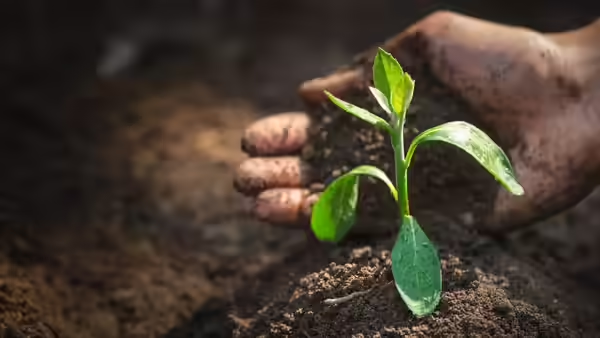
The experiment demonstrates numerous advantages:
- Resource Efficiency: Fewer bags of new soil need to be purchased each season.
- Environmental Impact: Less soil waste ends up in landfills, and composting organic matter reduces organic waste.
- Plant Health: Soil enriched with organic matter promotes strong roots, disease resistance, and better nutrient uptake.
- Cost Savings: Reduced expenditure on new soil and fertilizers.
- Sustainable Gardening Practices: Encourages a regenerative approach to cultivation rather than one-time use.
Step 7: Lessons Learned and Best Practices
From my soil reuse experiment, several key insights emerged:
- Patience Pays Off: Soil revival takes time, but results are rewarding.
- Diversity Matters: Incorporating compost, mulch, and beneficial microbes creates a balanced ecosystem.
- Testing is Crucial: Observing plant growth allows adjustments before scaling up the practice.
- Rotational Planting Helps: Changing crops seasonally prevents nutrient depletion and reduces pests.
- Reuse Can Be Seasonal: Some soils may require full rejuvenation after several cycles, but partial reuse is still effective.
By adopting these best practices, gardeners can create a sustainable, high-yield garden year after year.
Conclusion
The soil reuse experiment proved that old, depleted soil is not a dead resource. With proper assessment, amendments, and care, it can be transformed into a thriving medium for plant growth. The benefits extend beyond the garden—reduced costs, environmental conservation, and the satisfaction of nurturing life in previously “spent” soil.
Whether you are a hobby gardener or a professional grower, reusing soil is an empowering practice. It encourages sustainability, deepens understanding of plant biology, and demonstrates that with the right techniques, what seems “broken” can become vibrant and productive again.
Through experimentation, observation, and continuous learning, we discover that soil, much like us, can recover and flourish. What was once discarded can be revitalized, leading to stronger plants, greener gardens, and a more sustainable way of cultivating life.
Your garden may just teach you one of life’s most important lessons: with care and patience, old things can bloom anew.