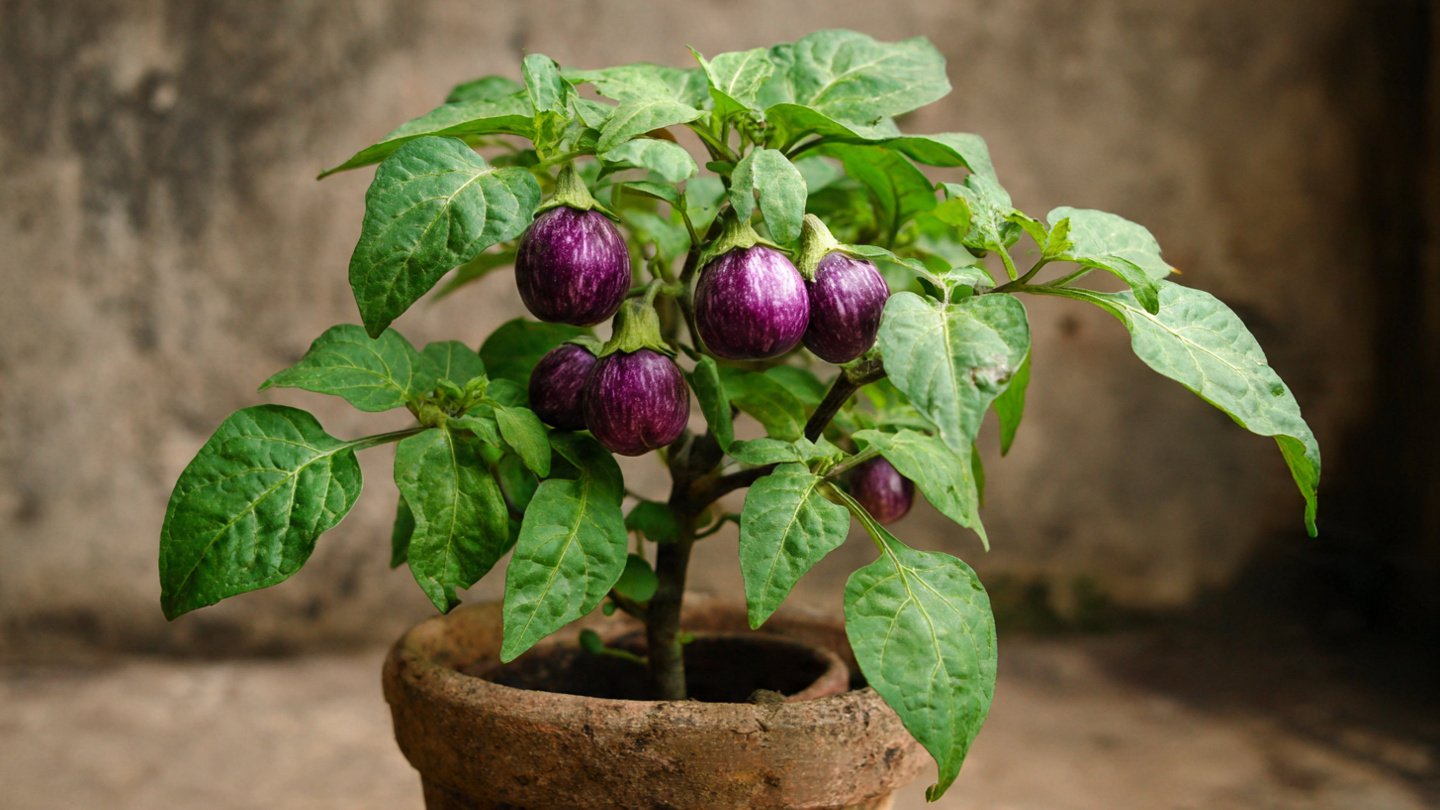
Growing brinjal (also known as eggplant or aubergine) from seeds purchased at the market can be a rewarding gardening experience. Brinjal is a versatile and delicious vegetable enjoyed in many cuisines worldwide. If you love gardening and want to grow your own brinjal, this comprehensive guide will help you do so successfully, starting right from the market seeds.
Step 1: Selecting the Right Brinjal Seeds
The first step to growing healthy brinjal plants starts with choosing good quality seeds. Market seeds are often readily available and affordable. Here are some tips for selecting the best seeds:
- Choose fresh, mature fruits: Select brinjal fruits that are fully mature and healthy, as seeds from underripe or damaged fruits may not germinate well.
- Pick disease-resistant varieties: If possible, ask vendors or do some research on varieties that are resistant to common brinjal diseases in your area.
- Harvest seeds from ripe fruits: If you are extracting seeds from the fruit yourself, make sure the fruit is glossy and mature. Overripe fruits may produce poor quality seeds.
Step 2: Extracting and Preparing Seeds from the Market Fruit
Once you have chosen the right brinjal fruits, follow these steps:
- Cut the fruit open: Using a clean knife, slice the brinjal fruit to expose the seeds inside.
- Remove the seeds: Scoop out the seeds with a spoon or your fingers.
- Clean the seeds: Place the seeds in a container with water. Rub gently to remove any pulp or residue. Discard floating or shriveled seeds, as they are likely not viable.
- Dry the seeds: Spread the cleaned seeds on a paper towel or newspaper in a cool, dry place. Let them air dry completely, which usually takes 3-4 days. Avoid using heat or direct sunlight to dry the seeds as this can reduce germination.
Step 3: Seed Germination
Germinating brinjal seeds properly is crucial for successful growth.
Materials Needed:
- Seed trays or small pots
- Seed-starting mix or light, well-drained soil
- Water spray bottle
- Clear plastic cover or plastic wrap (optional)
Procedure:
- Fill seed trays or pots with seed-starting mix.
- Moisten the soil lightly with water.
- Sow the seeds ½ inch deep in the soil. Plant 2-3 seeds per pot or cell.
- Cover the tray or pots with a clear plastic cover or plastic wrap to retain moisture.
- Place the tray in a warm location with temperatures around 75-85°F (24-29°C).
- Keep the soil moist but not waterlogged.
- Seeds typically germinate within 7-14 days.
Tips:
- Remove the plastic cover once seedlings emerge to prevent fungal issues.
- Provide ample light using a sunny window or grow lights.
Step 4: Transplanting Seedlings
When seedlings develop 2-3 true leaves and are about 4-6 weeks old, they are ready for transplantation.
Preparation:
- Choose a sunny location with at least 6-8 hours of sunlight daily.
- Prepare soil by loosening it and mixing in organic compost or well-rotted manure to improve fertility and drainage.
- Aim for a soil pH between 5.5 and 6.8 for optimal growth.
Transplanting Steps:
- Water seedlings a few hours before transplanting to reduce shock.
- Dig holes spaced 18-24 inches apart to allow enough room for mature plants.
- Carefully lift the seedlings from trays without damaging roots.
- Plant seedlings at the same depth they were growing previously.
- Firm the soil gently around the base of each seedling.
- Water generously after transplanting.
Step 5: Caring for Your Brinjal Plants
Proper care makes a big difference in the health and productivity of brinjal plants.
Watering:
- Brinjal requires consistent moisture but does not like waterlogged soil.
- Water deeply once or twice a week depending on weather.
- Mulch around plants to conserve moisture and control weeds.
Fertilizing:
- Use a balanced fertilizer (e.g., 10-10-10 NPK) at planting time.
- Side dress with compost or fertilizer every 3-4 weeks.
- Avoid excessive nitrogen, which promotes leafy growth but reduces fruiting.
Support:
- Provide stakes or cages to support plants and keep fruits off the ground.
- This also helps prevent disease and easy harvesting.
Pest and Disease Management:
- Common pests include aphids, flea beetles, and spider mites.
- Use insecticidal soap or neem oil if infestations occur.
- Prevent fungal diseases by ensuring good air circulation and avoiding overhead watering.
- Remove and destroy affected plant parts promptly.
Step 6: Flowering and Fruiting
Brinjal plants typically start flowering about 2 months after transplanting.
- Flowers are purple or white, and pollination will lead to fruit setting.
- Ensure there are pollinators like bees around or gently shake flowers to aid pollination.
- Fruits usually mature within 2-3 months after flowering.
Step 7: Harvesting Brinjal
Proper harvesting ensures you get the best taste and encourages more fruit production.
- Harvest brinjal when the fruit is shiny and firm but before seeds inside get hard.
- Use a sharp knife or scissors to cut the fruit from the plant, leaving a short stem attached.
- Avoid pulling the fruit to prevent damage to the plant.
- Regular harvesting encourages continuous fruiting.
Step 8: Post-Harvest Care
- Store brinjal fruits in a cool place or refrigerator.
- Avoid washing fruits before storage as excess moisture can cause spoilage.
- Handle fruits gently to prevent bruising.
Troubleshooting Common Problems
- Poor germination: Use fresh seeds and avoid planting too deep.
- Yellowing leaves: Could indicate over-watering or nutrient deficiency.
- Blossom drop: Often caused by high temperatures or water stress; maintain consistent moisture and shade if needed.
- Pests and diseases: Regular monitoring and early intervention are key.
Conclusion
Growing brinjal from market seeds can be highly satisfying and cost-effective if done correctly. By selecting good seeds, providing proper germination conditions, caring for seedlings, and maintaining healthy plants, you can enjoy fresh, homegrown brinjal throughout the growing season. Remember to be patient and attentive, and your efforts will be well rewarded with delicious, vibrant brinjal fruits.
Happy gardening!