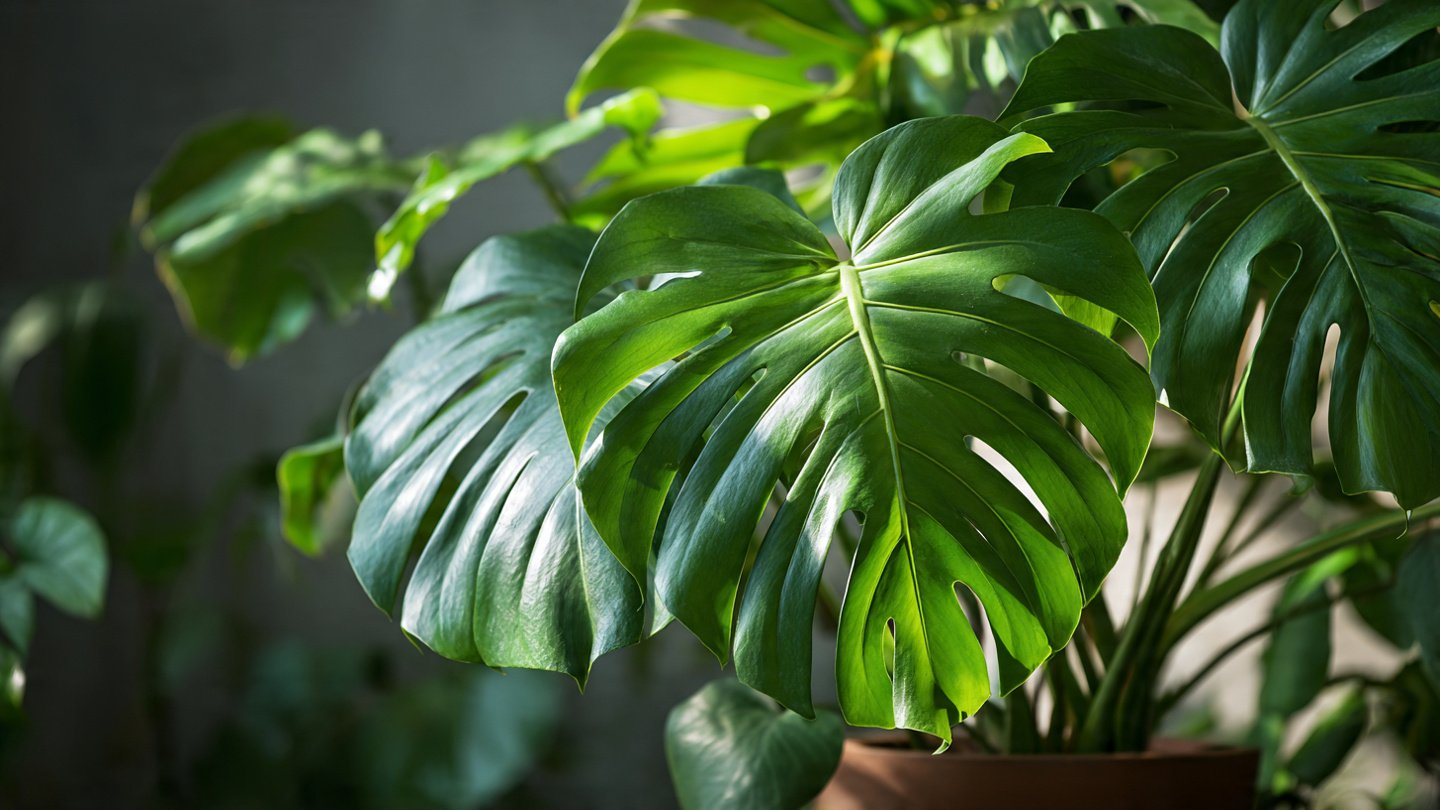
The Split Leaf Philodendron (Philodendron bipinnatifidum) is a stunning tropical plant that can add a touch of the exotic to any garden or indoor space. With its large, glossy, lobed leaves, it has become a favorite among gardeners and plant enthusiasts alike. If you’re looking to cultivate this beauty, you’re in the right place. This guide will detail the best practices for growing Split Leaf Philodendron, including its ideal conditions, care tips, propagation methods, and common pests and diseases.
Understanding the Split Leaf Philodendron
Before diving into the growing tips, it’s essential to recognize the characteristics of the Split Leaf Philodendron. This plant, native to the tropical rainforests of South America, prefers warm, humid conditions. It can grow as a climbing vine when supported or can spread as a bushy shrub when allowed to grow in a pot. The unique leaves not only serve as an attractive feature but also play a critical role in the plant’s evolution, helping it adapt to low-light conditions by maximizing light absorption.
Choosing the Right Location
Light Requirements
One of the most significant factors to consider when growing a Split Leaf Philodendron is its light requirements. Here are some guidelines:
- Indirect Sunlight: Split Leaf Philodendrons thrive in bright, indirect sunlight. Direct sunlight can scorch their leaves, while too little light will hinder their growth and leaf development.
- Indoor Placement: If you’re growing this plant indoors, a spot near an east or west-facing window is ideal. You can also use sheer curtains to diffuse direct sunlight.
Outdoor Conditions
For those planting outdoors, consider the following:
- Warm Climate: Split Leaf Philodendrons are not frost-hardy. If you live in a cooler climate, plant them in a sheltered spot or bring them indoors when temperatures fall below 50°F (10°C).
- Moist Microclimates: Ideally, choose a location that mimics tropical conditions, such as near patios or shaded areas surrounded by taller plants that can help retain humidity.
Soil and Potting
Soil Needs
The right soil mixture is crucial for the plant’s health. Here’s what you need to know:
- Well-Draining Soil: Use a blend that retains moisture while ensuring good drainage. A mix of potting soil, perlite, and orchid bark works well.
- pH Level: Aim for a slightly acidic to neutral pH (6.0 to 7.0) for optimal growth.
Potting Tips
When potting your Split Leaf Philodendron, keep the following in mind:
- Container Choice: A pot with drainage holes is vital to prevent waterlogging. Choose a container slightly larger than the root ball to give the plant room to grow.
- Repotting: Repot every 2-3 years or when you notice roots emerging from the pot’s drainage holes, indicating it’s time for a larger planter.
Watering
Watering practices can make or break your Split Leaf Philodendron’s health:
- Watering Frequency: Water the plant when the top inch of the soil is dry. This usually means watering once a week, but frequency can vary based on the season and indoor humidity levels.
- Humidity: Split Leaf Philodendrons prefer high humidity. If around 50-70% humidity is not available naturally, consider using a humidifier or placing a tray of water near the plant.
Fertilizing
Proper fertilization promotes robust growth and vibrant foliage:
- Type of Fertilizer: Use a balanced, water-soluble fertilizer every 4-6 weeks during the growing season (spring and summer). Consider a fertilizer higher in nitrogen for lush foliage growth.
- Dilution: Always dilute the fertilizer to half the recommended strength to avoid burning the roots.
Pruning and Maintenance
To keep your Split Leaf Philodendron healthy and looking its best, regular pruning and maintenance are necessary:
- Pruning: Trim any dead or damaged leaves to encourage new growth. Use clean, sharp scissors to make precise cuts.
- Dusting Leaves: Wipe the leaves occasionally with a damp cloth to remove dust, allowing the plant to breathe and photosynthesize effectively.
Propagation
If you want to multiply your Split Leaf Philodendron, here are effective propagation methods:
Stem Cuttings
- Select a Healthy Stem: Choose a stem with at least two leaves.
- Cut: Use clean shears to make a cut just below a node (the point on the stem where leaves grow).
- Rooting: Place the cut end in a glass of water or directly into moist potting soil. If using water, change it every few days until roots develop (typically 2-4 weeks).
Offsets and Division
Older plants will sometimes produce offsets or pups, which can be potted separately:
- Remove the Plant: Gently take the plant out of its pot to expose the root system.
- Separate Offsets: Identify healthy offsets and carefully separate them from the main plant, ensuring that some roots are attached.
- Pot Separately: Plant them in their containers with the same soil mixture used for mature plants.
Common Pests and Diseases
Split Leaf Philodendrons can be prone to a few pests and diseases. Here’s how to manage them:
Pests
- Spider Mites: Look for tiny webs on leaves. Use neem oil or insecticidal soap to treat infestations.
- Aphids: Small green bugs may cluster on new growth. Neem oil can also help in controlling these pests.
- Mealybugs: Cotton-like clumps may appear on the plant. Remove them with a cotton swab dipped in alcohol.
Diseases
- Root Rot: This occurs from overwatering. Prevention involves ensuring adequate drainage and letting the soil dry out between waterings.
- Leaf Spot: Caused by fungal infections, remove affected leaves and improve air circulation around the plant.
Seasonal Considerations
Understanding seasonal requirements can help your Split Leaf Philodendron thrive throughout the year:
- Spring and Summer: This is the active growth period. Take care to provide adequate light, water, and fertilizer.
- Fall and Winter: Growth slows down, so reduce watering and hold off on fertilizing. Ensure the plant is in a warm location away from temperature fluctuations.
Conclusion
Growing a Split Leaf Philodendron can be incredibly rewarding, both in its lush foliage and the sense of accomplishment it brings. By understanding its needs regarding light, soil, watering, and pests, you can create an environment where this beautiful plant thrives. Whether you’re looking to add it to your indoor jungle or your outdoor garden, following these best practices will ensure your Split Leaf Philodendron not only grows but flourishes. Happy gardening!