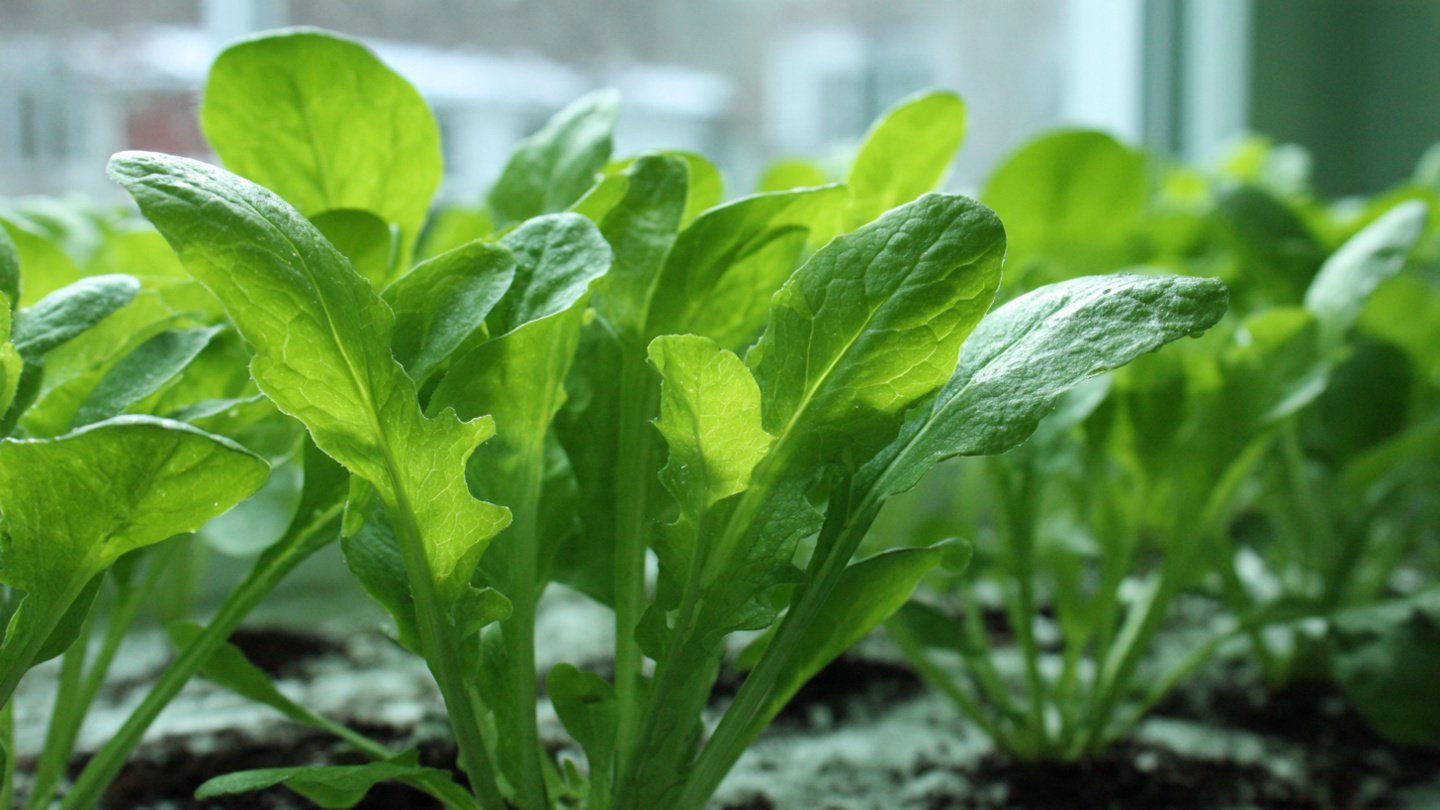
Growing your own greens is a rewarding experience, particularly when it comes to fast-growing and nutritious varieties like sorrel. Sorrel, with its tangy, lemon-like flavor, is often used in salads, soups, and sauces, making it a favorite among culinary enthusiasts. If you’re interested in cultivating sorrel indoors, this comprehensive guide will walk you through the process step by step, ensuring that you have a bountiful harvest.
Understanding Sorrel
Before diving into the details of growing sorrel indoors, it’s essential to understand what sorrel is and why it’s beneficial.
What is Sorrel?
Sorrel is a leafy green vegetable that belongs to the Polygonaceae family. Known scientifically as Rumex acetosa, it is characterized by its pointed, arrow-shaped leaves and vibrant green color. Sorrel can be either perennial or annual, depending on the variety, and is commonly divided into two types: French sorrel and garden sorrel.
Nutritional Benefits
Sorrel is not just tasty; it’s also packed with nutrients. It is rich in:
- Vitamins: Sorrel is particularly high in vitamin C, essential for immune health.
- Minerals: It contains calcium, magnesium, and potassium, which are vital for various bodily functions.
- Antioxidants: The presence of flavonoids helps to combat oxidative stress in the body.
Furthermore, sorrel’s high water content makes it an excellent hydrating option for your diet, adding to its appeal as a kitchen staple.
Why Grow Sorrel Indoors?
Growing sorrel indoors has multiple advantages:
- Space-Efficient: Ideal for those with limited outdoor space.
- Year-Round Harvest: You can grow sorrel all year, ensuring a continuous supply of fresh greens.
- Controlled Environment: Indoor gardening allows you to control conditions like light, temperature, and humidity, making it easier to produce healthy plants.
- Pest Management: Reduces the chances of pest infestation compared to outdoor gardens.
What You’ll Need
To get started with growing sorrel indoors, you will need the following materials:
1. Seeds
Choose high-quality sorrel seeds, ideally French sorrel for its milder taste. Be sure to check the seed packet for the specific variety and planting instructions.
2. Containers
Pots with drainage holes are essential. Consider using:
- Standard pots: 6-8 inches in diameter for individual plants.
- Window boxes: Suitable for growing multiple plants in a single container.
3. Soil
Use a high-quality potting mix that retains moisture but drains well. A blend of peat, vermiculite, and compost is ideal.
4. Light Source
If natural light is insufficient, you may need to invest in grow lights. Full-spectrum LED grow lights provide the necessary light for healthy growth.
5. Watering Can and Fertilizer
A watering can with a narrow spout is useful for avoiding overwatering. Use a balanced, water-soluble fertilizer to nourish your plants.
Step-by-Step Guide to Growing Sorrel Indoors
Step 1: Planting the Seeds
-
Choose Your Container: Select a pot or container that is at least 6 inches deep to allow for root development.
-
Prepare the Soil: Fill your container with a well-draining potting mix. Leave about an inch of space from the top.
-
Sow the Seeds: Plant the sorrel seeds about 1 inch apart and cover them lightly with soil. You can also start seeds in seed trays before transplanting them to larger containers.
-
Water Gently: Use your watering can to moisten the soil, but be careful not to wash away the seeds.
Step 2: Providing the Right Conditions
-
Light: Place the pots in a location that receives at least 6 hours of direct sunlight each day. If using grow lights, position them about 6-12 inches above the plants.
-
Temperature: Sorrel thrives in temperatures between 60°F and 70°F (15°C – 21°C). Avoid placing the plants in extreme heat or cold.
-
Humidity: Sorrel prefers moderate humidity. You can increase humidity by placing a tray of water near your pots or misting the leaves occasionally.
Step 3: Care and Maintenance
-
Watering: Keep the soil consistently moist but not soggy. Overwatering can lead to root rot. Water the plants when the top inch of soil feels dry.
-
Fertilizing: Apply a balanced, water-soluble fertilizer every four to six weeks while the plants are actively growing.
-
Weeding: Monitor for weeds and remove them promptly to prevent competition for nutrients.
Step 4: Harvesting
-
Timing: You can begin to harvest leaves when the plants are about 4-6 inches tall, usually around 4-6 weeks after sowing.
-
Method: Use scissors to snip off the outer leaves, allowing the inner leaves to continue growing. This way, you can enjoy a continuous harvest.
-
Storing: If you have excess sorrel, store it in a plastic bag in the refrigerator for up to a week. You can also freeze it for longer storage.
Common Challenges and Solutions
Problem 1: Leggy Growth
Cause: Insufficient light may cause the plants to reach for light, resulting in leggy growth.
Solution: Ensure your sorrel receives adequate lighting by moving it to a sunnier spot or adjusting your grow lights.
Problem 2: Leaf Discoloration
Cause: Yellowing leaves can indicate overwatering or nutrient deficiencies.
Solution: Check the moisture level of the soil and adjust your watering schedule. If nutrition is lacking, consider adding fertilizer.
Problem 3: Pest Issues
Cause: Indoor potted plants can still attract pests like aphids or spider mites.
Solution: Inspect your plants regularly. If pests are found, treat them with organic insecticidal soap or neem oil.
Enjoying Your Sorrel
Once you’ve harvested your sorrel, there are countless ways to incorporate it into your meals:
- Salads: Add fresh sorrel leaves to salads for a zesty flavor.
- Soups: Use sorrel in pureed soups to add a tangy note.
- Sauces: Create sorrel sauce for fish and chicken dishes.
- Pesto: Blend sorrel leaves with nuts, cheese, and olive oil for a unique pesto.
Conclusion
Growing sorrel indoors is a straightforward endeavor that rewards you with nutritious and flavorful greens. By following this guide, you can enjoy fresh sorrel in your kitchen all year round. Whether you’re a seasoned gardener or a beginner, indoor cultivation of sorrel offers an excellent opportunity to expand your culinary repertoire while enjoying the benefits of homegrown produce. Happy gardening!