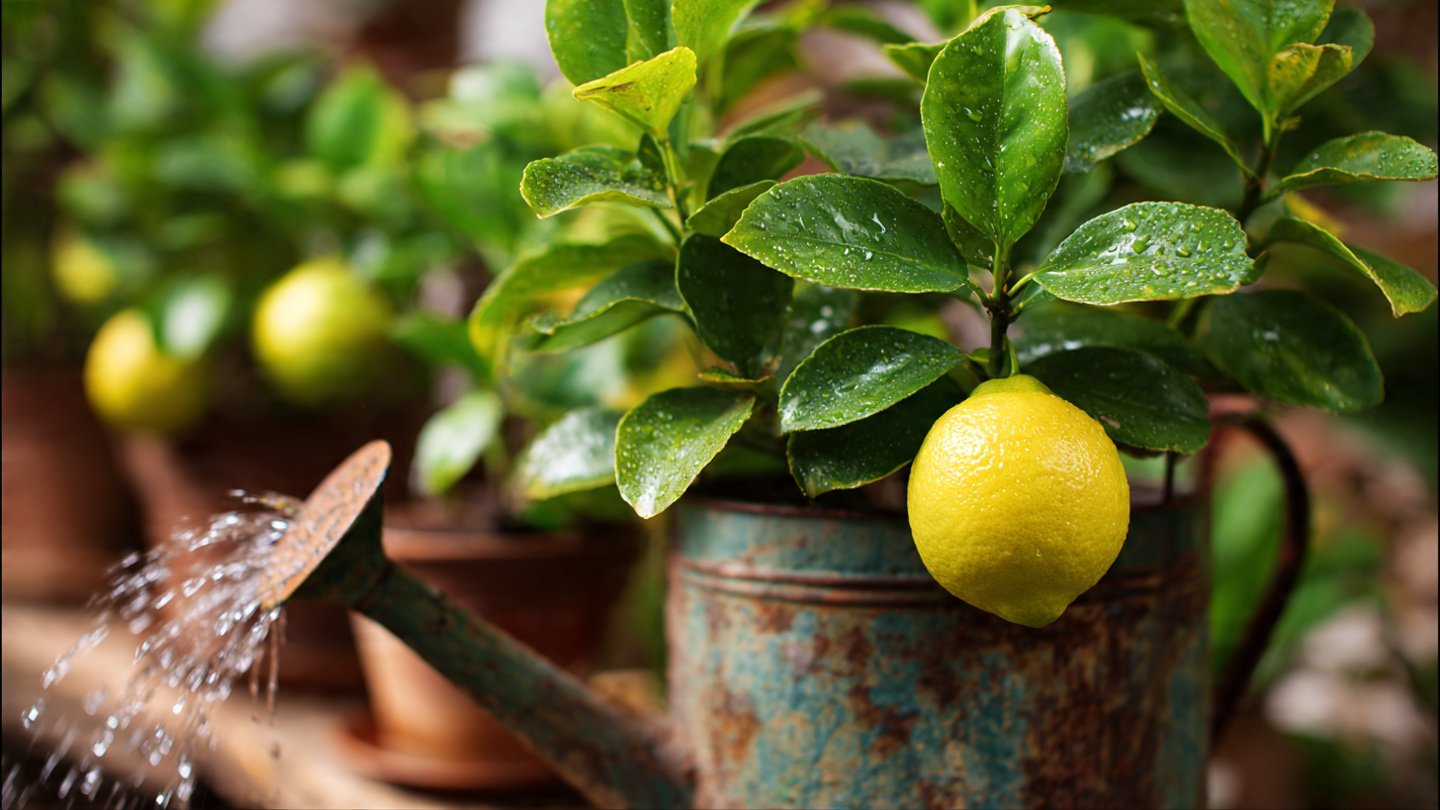
Indoor gardening has seen a surge in popularity as more people appreciate the joys of nurturing plants in their homes. Among the most rewarding indoor plants to cultivate are orange trees. Not only do they bring a splash of color and a delightful fragrance to your space, but they also provide ripe, juicy fruit if well cared for. One of the most vital aspects of healthy indoor orange plants is mastering the watering method. This comprehensive guide will help you understand and implement effective watering techniques to ensure your orange plants thrive.
Understanding the Needs of Indoor Orange Plants
Before we delve into the intricacies of watering, it’s important to grasp the overall needs of indoor orange plants. These plants, often derived from varieties like the Calamondin orange or dwarf navel orange, require:
- Adequate Lighting: Orange trees flourish with plenty of bright light. A south-facing window is often ideal.
- Temperature Control: They prefer temperatures between 65°F to 75°F (18°C to 24°C). Avoid cold drafts and high temperatures.
- Soil Conditions: Use well-draining soil (preferably a mix designed for citrus) to prevent waterlogging and root rot.
- Humidity: These plants like humidity. A humid environment helps them thrive, especially in dry indoor conditions.
With these basics understood, let’s focus on the essential aspect: watering.
The Watering Method: Key Principles
1. Know When to Water
Timing is crucial when it comes to watering your indoor orange plants. Too little water can lead to dehydration, while too much can cause root rot. Here are some signs to look for:
- Dry Soil: Stick your finger into the soil about an inch deep. If it feels dry, it’s likely time to water.
- Leaf Condition: Drooping leaves can signal underwatering, while yellowing leaves may indicate overwatering.
2. Watering Frequency
The frequency of watering varies based on several factors:
- Season: During warmer months, orange plants may require more frequent watering, while in winter, reduce the frequency as the plant enters a semi-dormant period.
- Humidity and Temperature: In hotter, drier conditions, you may need to water more often.
Typically, watering every 7 to 14 days is a good starting point, adjusting based on the specific environment of your plant.
3. Watering Technique
- Deep Watering: When you do water, ensure you water deeply. This means pouring water until it starts to drain from the bottom of the pot. Deep watering encourages roots to grow downwards rather than staying near the surface.
- Avoid Watering on Leaves: Aim to water the soil directly and avoid getting water on the leaves, as this can lead to fungal issues.
Choosing the Right Water
The quality of water can greatly affect your indoor orange plants. Here are some tips on the best practices:
1. Avoid Hard Water
Hard water, which is high in minerals, can lead to salt buildup in the soil. This can harm your plant over time. If you live in an area with hard water, consider using distilled water, rainwater, or water that has been left to sit for 24 hours to allow chlorine to dissipate.
2. Check pH Levels
Orange plants prefer slightly acidic to neutral pH levels (around 6 to 7). Testing your water and adjusting it if necessary (using pH adjusters available at gardening stores) can help maintain a healthy growing environment.
Signs Your Plant Needs Attention
Even with the best watering practices, your indoor orange plant might still show signs of distress. Here are common issues and how to address them:
1. Overwatering Symptoms
- Yellow Leaves: Leaves that turn yellow or drop can indicate overwatering.
- Root Rot: If you pull the plant out of the pot and notice brown, mushy roots, it may have root rot. To fix this, trim away the affected roots, repot in fresh soil, and adjust your watering habits.
2. Underwatering Symptoms
- Wilting Leaves: Leaves that appear limp may be a signal to water more regularly.
- Brown Edges: If the leaf edges turn brown, it often suggests the plant is thirsty.
3. Leaf Drop
If your indoor orange plant drops leaves, it could be a result of environmental stress (like sudden temperature changes) or improper watering. Investigate all aspects of care, adjusting as necessary to help your plant stabilize.
Seasonal Adjustments to Watering
1. Spring and Summer
During the growing season, indoor orange plants will be actively taking in nutrients and water. Increase your watering frequency, ensuring the soil remains consistently moist but not soggy.
2. Fall and Winter
As growth slows down, reduce watering to avoid waterlogging the roots during dormancy. Always monitor the moisture levels and adjust based on temperature fluctuations.
Additional Watering Tools and Techniques
1. Self-Watering Pots
Consider investing in self-watering pots if you’re prone to forgetful watering habits. These pots have a reservoir that provides consistent moisture to the plant.
2. Watering Globes
These can be effective for slow watering. They gradually release water into the soil, which can be helpful when you’re away for a few days.
3. Moisture Meters
These handy tools can help you gauge the moisture level of the soil and determine when it’s time to water.
Conclusion
Mastering the watering method for your indoor orange plants is vital to ensuring their health and vitality. By understanding the unique needs of these citrus trees and implementing effective watering techniques, you can cultivate a beautiful and fruitful indoor garden. Regularly check the moisture levels, adjust your methods based on seasonal changes, and respond promptly to your plant’s signs of distress.
With a bit of attention and care, your indoor orange plants will not only survive but thrive, providing a lush, fragrant atmosphere and the potential for sweet homegrown fruit. Happy gardening!