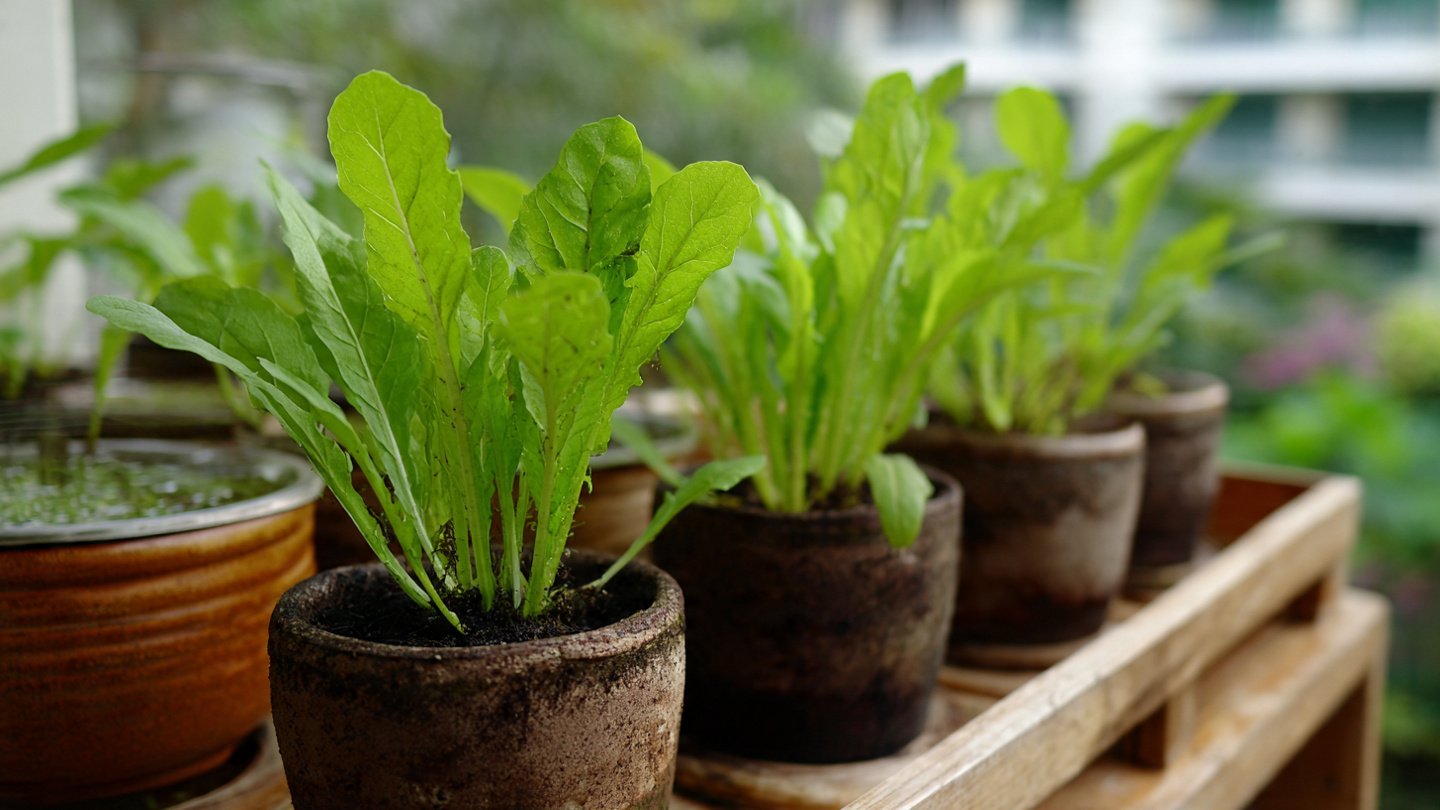
Sorrel, a delightful leafy green herb known for its tangy flavor, has gained popularity among home gardeners and culinary enthusiasts alike. Cultivating sorrel in containers offers a practical approach, allowing for flexibility in space and ease of care. This article will detail the best methods for successfully growing sorrel in containers, ensuring you reap the benefits of this nutritious herb throughout the growing season.
Understanding Sorrel: A Brief Overview
Sorrel (Rumex acetosa) is a perennial herb native to Europe and Asia. It is characterized by its tart, lemony taste, making it a perfect addition to salads, soups, and sauces. Rich in vitamins A and C, sorrel also provides a good source of minerals, including potassium and magnesium. Sorrel leaves are generally tender and can be harvested young, making it an ideal choice for container gardening.
Benefits of Growing Sorrel in Containers
- Space Efficiency: Container gardening allows you to cultivate sorrel in small spaces such as balconies, patios, or even indoors.
- Mobility: Containers can be moved to take advantage of optimal sunlight or to protect the plants from harsh weather conditions.
- Control Over Soil and Fertilization: You have complete control over the soil mixture and nutrients, promoting healthier growth.
- Pest Management: Growing sorrel in containers can help manage pests more effectively.
Choosing the Right Container
Size Matters
Choosing the right container is crucial for the successful growth of sorrel. Ideally, a container should be at least 12 inches in diameter and 12 inches deep. This will provide enough space for the root system to develop.
Material Selection
Containers can be made of various materials, each with its pros and cons:
- Plastic: Lightweight and affordable, plastic containers retain moisture well but may not offer the best aesthetic appeal.
- Terra Cotta: These clay pots are porous, allowing for good drainage and air circulation, but they can dry out quickly, requiring more frequent watering.
- Metal: Galvanized containers can be stylish and durable but may retain heat, which can affect the roots if left in direct sunlight for too long.
Drainage is Key
No matter the container type, ensure it has drainage holes. Sorrel requires well-draining soil to prevent root rot, a common issue in container gardening.
Soil Preparation
Choosing the Right Mix
The best soil for sorrel should be light, well-draining, and rich in organic matter. A good potting mix can be made with the following components:
- 1 part peat moss or coconut coir: For moisture retention.
- 1 part perlite or vermiculite: To enhance drainage and aeration.
- 1 part compost: Adding nutrients to promote healthy growth.
pH Levels
Sorrel thrives in slightly acidic to neutral soil pH levels, ideally between 6.0 and 7.0. Testing the soil pH can be done with simple kits available at gardening stores, and amendments can be made as necessary.
Planting Sorrel Seeds or Transplants
Timing Your Planting
Sorrel can be sown either in early spring or late summer. In colder climates, starting seeds indoors 4-6 weeks before the last frost date can give you a head start. In warmer areas, sorrel can also be grown in the fall.
Seed Selection
Choose high-quality sorrel seeds from reputable suppliers. Common varieties include:
- French Sorrel: Known for its bright green leaves and excellent flavor.
- Garden Sorrel: The most commonly cultivated variety, also popular in culinary settings.
Sowing Seeds
- Fill the container with the prepared soil, leaving about an inch of space at the top.
- Sow the seeds thinly, covering them with a light layer of soil. Aim for about 1 inch apart to allow for proper spacing.
- Water gently to avoid displacing the seeds. Keep the soil consistently moist until germination, which usually occurs within 7-14 days.
Transplanting
If you’re using seedlings or transplants, wait until they have at least two sets of true leaves before transplanting them into larger containers.
Spacing for Growth
If using multiple plants in one container, provide about 6-8 inches of spacing between each planting to ensure adequate air circulation and nutrient availability.
Care and Maintenance
Watering
Sorrel prefers consistently moist soil but can be sensitive to overwatering. Generally, watering once or twice a week is sufficient. Check the top inch of soil; if it feels dry, it’s time to water.
Light Requirements
Sorrel thrives best in full sun to partial shade. Aim to provide at least 6 hours of sunlight each day. If growing indoors, placing the container near a south-facing window can maximize light exposure.
Fertilization
Fertilization helps maintain plant health. Use a balanced, water-soluble fertilizer every 4-6 weeks during the growing season. Organic options like fish emulsion or a seaweed solution are excellent choices.
Pruning and Harvesting
Regular harvesting encourages new growth. Begin harvesting when the leaves reach about 4-6 inches tall. Use scissors to clip the outer leaves, allowing the inner leaves to continue growing. Avoid removing more than one-third of the plant at a time to prevent stress.
Pest Control
Common pests affecting sorrel include aphids, slugs, and snails. To manage them:
- Aphids: Spray with a strong jet of water to dislodge them or use insecticidal soap.
- Slugs and Snails: Handpick or set up traps with beer in shallow dishes.
Common Challenges
Weather Extremes
Sorrel can be susceptible to heat stress, especially in container gardening. If temperatures soar, consider providing shade during the hottest parts of the day.
Winter Care
In colder regions, sorrel may not survive winter outdoors. Move containers indoors before the first frost or wrap them in burlap for insulation. Alternatively, consider treating them as an annual crop.
Propagation of Sorrel
Sorrel can easily be propagated by division. In spring or fall, carefully remove the plant from the container and divide the root ball into sections, ensuring each section has some roots. Replant them in separate containers for new plants.
Conclusion
Growing sorrel in containers presents a rewarding and practical gardening opportunity. With careful selection of containers, soil preparation, and ongoing maintenance, you’ll be able to enjoy fresh, tangy leaves right from your own garden. Whether you’re cooking in the kitchen or simply enjoying the beauty of the plants, sorrel adds a unique touch to your culinary adventures. Happy gardening!