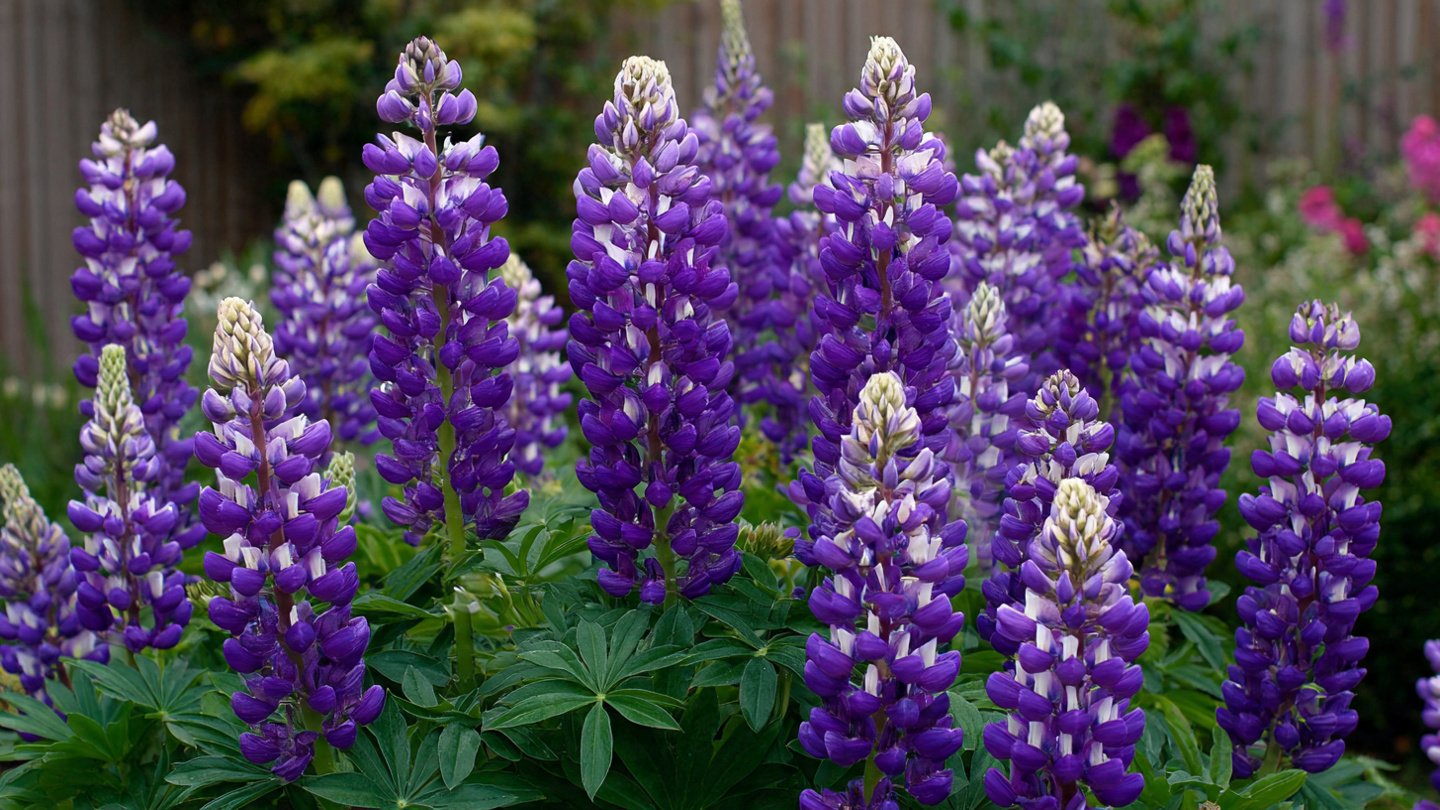
Lupins are a favorite among gardeners for their vibrant colors and stunning flower spikes. The compact variety of lupins is particularly appealing, as they are not only beautiful but also manageable in smaller spaces. If you’re looking to brighten up your garden with these lovely perennials, this guide will help you understand how to cultivate the compact variety of lupins easily and effectively.
1. Introduction to Lupin Compact Varieties
Lupins, belonging to the Fabaceae family, are native to North and South America, Australia, and the Mediterranean. The compact variety, often referred to as Lupinus polyphyllus, has been bred for smaller gardens, making them perfect for borders, containers, or even as bedding plants. With their finger-like leaves and tall spikes adorned with flowers in shades of blue, pink, purple, and white, compact lupins add a delightful touch to any garden space.
Advantages of Growing Compact Lupins
- Space Efficiency: Compact lupins thrive in small garden spaces or containers.
- Diverse Color Palette: They come in various colors that can enhance any garden theme.
- Pollinator Friendly: Their flowers attract bees and butterflies, contributing to local ecology.
- Easy Maintenance: Compact varieties require less maintenance compared to taller types.
2. Choosing the Right Location
Before planting, consider where you will place your compact lupins. Here are some factors to keep in mind:
Sunlight Requirements
Lupins thrive in full sun. Aim for a location that receives at least 6 to 8 hours of direct sunlight daily. A sunny spot will not only encourage vigorous growth but also result in more abundant blooms.
Soil Conditions
Compacts prefer well-drained, sandy loam or loamy soil. It’s essential to ensure good drainage, as lupins are susceptible to root rot in overly wet conditions.
Soil pH: Lupins prefer a pH range of 6.0 to 7.0. You can easily test your soil with a pH kit from a local garden center.
Space Requirements
While compact varieties are smaller, they still need enough space for airflow and growth. Generally, planting them approximately 12 to 18 inches apart is ideal.
3. Preparing the Soil
Preparing your garden bed or containers is crucial for the successful growth of compact lupins. Follow these steps for optimal soil preparation:
Tilling the Soil
Start by tilling the soil to a depth of about 12 inches. This improves aeration and allows the roots to establish more easily.
Soil Amendments
Incorporate well-rotted compost or organic matter to enrich the soil. This will improve drainage and provide essential nutrients.
Fertility
Consider adding a balanced, slow-release fertilizer to encourage healthy growth. However, be cautious with nitrogen-rich fertilizers, as too much nitrogen can promote foliage growth over blooming.
4. Sowing Seeds or Transplanting
You can propagate lupins from seeds or buy established plants from a nursery.
Sowing Seeds
If you opt for seeds, follow these steps:
- Scarification: Lupin seeds have a hard outer shell. Soak the seeds in water for 24 hours before planting to enhance germination.
- Sowing Time: Plant seeds in late spring after the last frost or in early fall.
- Depth: Sow seeds about 1 inch deep in the prepared soil; cover gently with soil.
Transplanting Established Plants
If you’re transplanting, choose robust plants from a nursery:
- Timing: Move them in the spring after any risk of frost has passed.
- Spacing: Ensure they are planted at the same depth they were in their pots.
5. Watering and Maintenance
Once your lupins are in the ground, consistent and proper care is crucial for their development.
Watering
- Initial Watering: Water thoroughly after planting to help establish roots.
- Ongoing Care: Water regularly, especially during dry spells. Avoid overhead watering to prevent fungal diseases; use a soaker hose or water at the base.
Mulching
Apply a 2-3 inch layer of mulch around the base of the plants. This helps retain moisture, suppress weeds, and regulate soil temperature.
Pruning and Deadheading
Regular deadheading encourages more blooms. Cut back spent flowers to promote new growth and extend the flowering period.
6. Pest and Disease Management
Lupins can be relatively resilient but are not entirely free from pests and diseases.
Common Pests
- Aphids: Check the undersides of leaves. Use insecticidal soap to control infestations.
- Snails and Slugs: These can be a problem; use traps or organic barriers to deter them.
Diseases
Beware of fungal diseases like powdery mildew. Ensure good air circulation, and water at the base of the plants to mitigate this risk. If fungal issues arise, natural fungicides or organic solutions can help.
7. Fertilization and Nutrient Requirements
While compact lupins don’t demand heavy feeding, occasional fertilization can enhance growth and blooming.
Type of Fertilizer
- Use a balanced fertilizer with an N-P-K ratio (Nitrogen-Phosphorus-Potassium) around 10-10-10 or similar numbers.
When to Fertilize
- Apply fertilizer at the beginning of the growing season and again in late summer, following the manufacturer’s directions.
8. Winter Care
Depending on your climate, winter care may be needed, especially in colder regions.
Mulching for Protection
In areas with cold winters, apply a thicker layer of mulch around the base of the plants in late fall to protect the roots from freezing temperatures.
Division
If your compact lupins become too crowded, consider lifting and dividing them every few years. This not only rejuvenates the plants but also allows you to propagate more!
9. Companion Planting
Lupins can benefit from companion planting. Pair them with:
- Low-growing perennials: Such as creeping phlox or alpine daisies to create a colorful display.
- Vegetables: They can fix nitrogen in the soil, benefiting neighboring plants.
10. Harvesting Seeds
If you’d like to propagate your own lupins, it’s easy to save seeds.
Seed Collection
- Wait until the seed pods are dry and brown on the plant.
- Gently shake the pods to release the seeds; collect and store them in a cool, dry place.
11. Conclusion
Cultivating the compact variety of lupins can be a rewarding endeavor, offering vibrant color and beauty to your garden. By understanding their needs in terms of location, soil preparation, watering, and maintenance, you can create a thriving environment for these beloved perennials. With their ability to attract pollinators and enhance biodiversity, lupins serve as not only a stunning addition to your garden design but also a gentle reminder of the harmony between nature and cultivated spaces.
Invest some time and effort into your compact lupins, and you will be rewarded with a spectacular display of colors and a sense of accomplishment as you nurture these magnificent plants. Happy gardening!