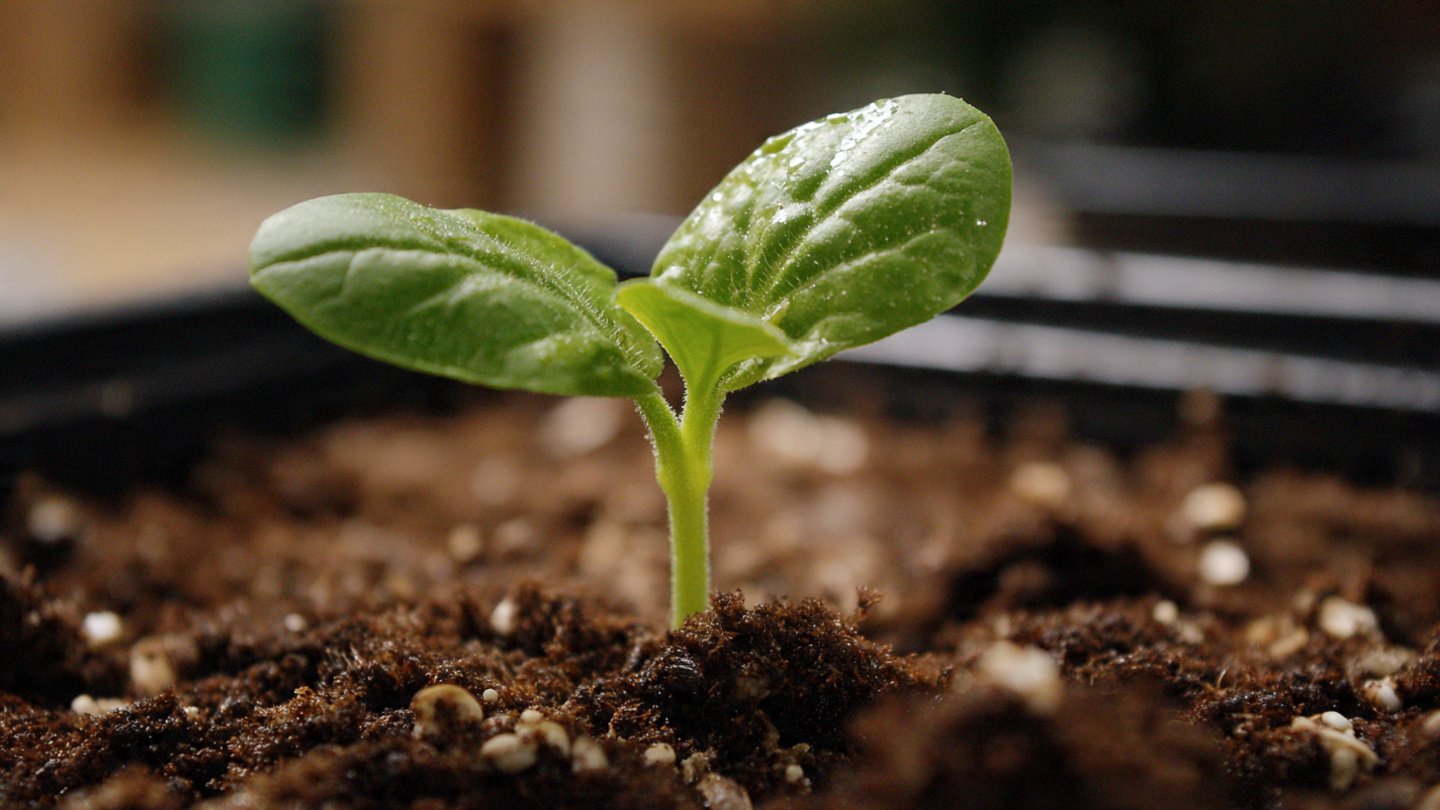
Gardening is a rewarding and fulfilling hobby that not only beautifies your surroundings but can also provide fresh, organic produce right at your doorstep. Among the plethora of vegetables that gardeners cultivate, cucumbers are a popular choice. They are refreshing, nutritious, and versatile in culinary use. However, successful cucumber cultivation begins with the crucial step of seed germination. If you want to boost your garden and watch your cucumber seeds sprout swiftly and healthily, this article is your ultimate guide to a cucumber seed germination speed hack.
Understanding the Basics of Cucumber Seed Germination
Before diving into the speed hack, it’s essential to understand what cucumber seed germination entails. Germination is the process by which a seed develops into a new plant. For cucumber seeds, this process typically takes 7 to 10 days under optimal conditions. Several factors influence germination speed, including temperature, moisture, seed quality, and soil conditions.
Key Factors Affecting Cucumber Seed Germination:
- Temperature: Cucumbers prefer warm soil. The ideal temperature for germination is between 70°F and 95°F (21°C – 35°C). Cooler temperatures will slow the process.
- Moisture: Seeds need consistent moisture to soften their coat and activate the embryonic plant inside. Too little water will halt germination, while too much can cause rot.
- Light: Unlike some seeds, cucumber seeds do not require light to germinate, although light is vital once the seedling emerges.
- Seed Quality: Fresh, viable seeds have a higher germination success rate.
- Soil Condition: Well-draining, nutrient-rich soil supports healthy seedling development.
Why Speed Up Germination?
Speeding up germination offers several benefits. It reduces the wait time for your plants to establish, giving them a longer growing season. Faster germination also enables you to spot and address any germination failures early by re-seeding promptly. Additionally, rapid sprouting can deter pests and diseases that might attack weak, slow-growing seedlings.
The Ultimate Cucumber Seed Germination Speed Hack: Pre-Soaking and Warmth Combination
The fastest and most effective method to boost cucumber seed germination involves two simple techniques: pre-soaking seeds and maintaining a warm environment.
Step 1: Pre-Soaking Seeds
Pre-soaking seeds softens the hard outer shell, allowing moisture to penetrate more quickly and jump-start the germination process.
How to Pre-Soak Cucumber Seeds:
- Choose high-quality seeds: Start with fresh seeds for best results.
- Use lukewarm water: Fill a container with lukewarm water (not hot, as it may damage the seeds).
- Soak for 8-12 hours: Immerse the cucumber seeds in water for 8 to 12 hours. This duration hydrates the seeds but does not drown them.
- Drain and dry slightly: After soaking, drain the seeds and pat them dry with a paper towel to prevent them from sticking together during planting.
Step 2: Providing Warmth
Warmth is critical to activating enzymes within seeds that trigger cell division and growth.
How to Provide Optimal Warmth:
- Use a seedling heat mat: Place the planted seed trays on a heat mat set to around 80°F (27°C). This mimics the warm soil conditions cucumbers love.
- Choose a warm spot in your home or garden: If a heat mat is unavailable, place the seed trays in a warm, sunny window or on top of the refrigerator.
- Maintain consistent moisture: Keep the soil moist but not soggy. Use a spray bottle to mist the soil surface gently.
- Cover with plastic wrap: Create a mini greenhouse effect by covering seed trays with clear plastic wrap to retain heat and moisture. Remove the cover once seeds sprout to allow airflow and prevent mold.
Additional Tips to Boost Germination Speed
While pre-soaking and warmth are the base of our speed hack, here are some extra tips to ensure your cucumber seeds germinate as rapidly and healthily as possible:
Use Quality Seed Starting Mix
Avoid using garden soil directly. Instead, use a sterile, light seed starting mix that ensures drainage and aeration. This prevents seeds from rotting due to excess moisture.
Scarification for Older Seeds
For older cucumber seeds, gently nicking the seed coat with a nail file or soaking them for a longer time (up to 24 hours) can help water penetrate better. Be careful not to damage the embryo inside.
Maintain Consistent Moisture but Avoid Waterlogging
Seeds need moisture, but standing water can cause fungal growth and seed rot. Water lightly and frequently to keep the soil evenly moist.
Use Growth Stimulators
Natural growth stimulators like chamomile tea, diluted seaweed extract, or a mild hydrogen peroxide solution can promote germination. Hydrogen peroxide, in particular, oxygenates the soil and prevents seed rot.
Plant at the Right Depth
Plant seeds about 1 inch (2.5 cm) deep in the soil. Planting too deep can delay emergence, while surface planting can dry out seeds prematurely.
Label Your Seedlings
Label your seed trays with the date of sowing and seed type. This helps you track germination progress and identify any issues early.
How to Care for Your Cucumber Seedlings After Germination
Once your cucumber seeds have sprouted, rapid growth depends on proper care:
Provide Adequate Light
Cucumber seedlings require 12-16 hours of bright, indirect light daily. If natural light is insufficient, use grow lights to supplement.
Keep Temperature Moderate
After germination, reduce temperature slightly to about 70°F (21°C) during the day and around 60°F (16°C) at night to prevent leggy growth.
Thin Strong Seedlings
If multiple seeds emerge in a single spot, thin to the strongest seedling to ensure robust growth.
Harden Off Before Transplanting
Before moving cucumber seedlings outdoors, gradually expose them to outdoor conditions over 7-10 days to reduce transplant shock.
Common Problems and How to Avoid Them
Even with the best techniques, gardeners may face challenges:
Damping-Off Disease
This fungal disease causes seedlings to collapse and die. Prevent it by ensuring good air circulation, avoiding overwatering, and using sterilized soil.
Slow Germination in Cold Weather
If outdoor temperatures are cold, start seeds indoors using the speed hack until conditions improve.
Seed Viability Issues
If seeds fail to germinate despite optimal conditions, they may be old or spoiled. Purchase fresh seeds from reputable suppliers.
Conclusion
Boosting cucumber seed germination speed is both an art and a science. By employing the ultimate seed germination speed hack involving pre-soaking seeds and maintaining a warm, moist environment, gardeners can significantly reduce the waiting time to seedling emergence. Complement these techniques with quality soil, proper planting depth, and attentive care to maximize your cucumber crop’s success.
Harnessing these methods not only enhances your gardening efficiency but also brings the joy of seeing your garden flourish in record time. Happy gardening and may your cucumbers thrive abundantly!