How to Master the Simple Way to Grow Climbers Indoors for a Lush Vertical Garden
Creating a lush vertical garden using indoor climbing plants is an innovative way to beautify your living space while introducing the myriad benefits of greenery. Whether you live in an apartment with limited outdoor space or simply wish to enhance your indoor environment, mastering the techniques to grow climbers indoors can be both rewarding and enriching. This article will guide you through the essentials of growing climbers effectively, ensuring you enjoy a vibrant and thriving vertical garden.
Understanding Indoor Climbing Plants
Indoor climbing plants, or climbers, are characterized by their ability to grow upward, often requiring support structures to thrive. These plants can be classified into two main categories:
-
Vining Plants: These have flexible stems and can grow on various supports, such as trellises, strings, or walls (e.g., pothos, philodendrons).
-
Climbing Plants: These possess specialized structures, like tendrils or hooks, aiding them in climbing (e.g., ivy, climbing roses).
Each climber has its own unique care requirements, but they share a common need for appropriate support and environmental conditions.
Selecting the Right Climbers for Your Space
Before diving into growing techniques, it’s essential to choose the right climbers for your indoor garden.
Popular Indoor Climbers:
-
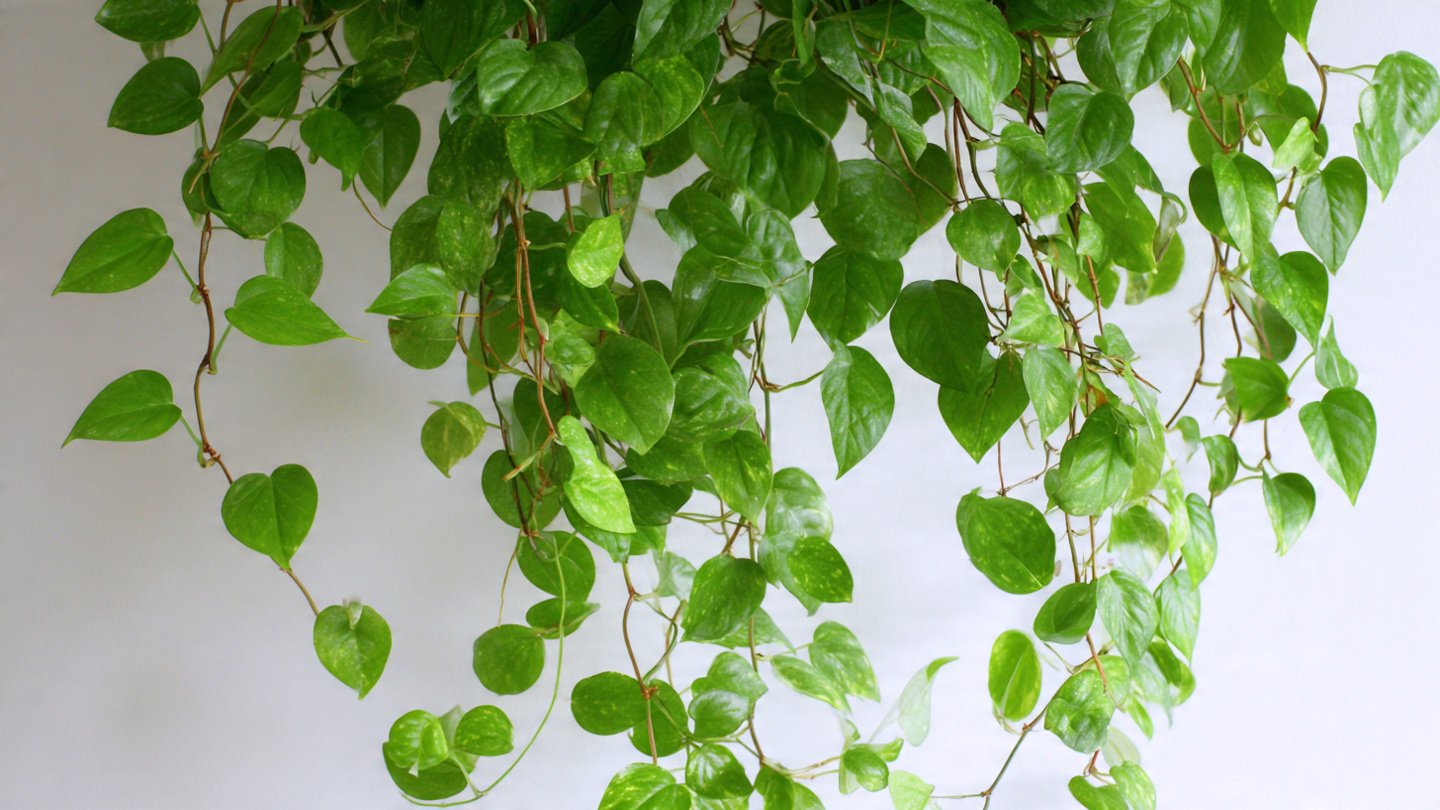
Pothos (Epipremnum aureum): Known for its resilience, it thrives in various light conditions. It’s also excellent for purifying the air.
-
Philodendron: These are versatile and can adapt to low-light conditions, making them perfect for indoor growth.
-
English Ivy (Hedera helix): A hardy plant that requires moderate light and water, perfect for cascading down from shelves.
-
Hoya (Hoya spp.): This waxy-leaved climber is not only beautiful but also fragrant when flowering.
-
Climbing Roses: For those desiring a bit of floral beauty, while they require more maintenance, they can add stunning aesthetics when placed near a window.
Factors to Consider:
- Light Availability: Ensure the chosen climbers are suitable for the amount of natural light your indoor space receives.
- Humidity: Some climbers prefer higher humidity levels, so consider placement near humidity sources or use a humidifier.
- Room Temperature: Most climbers thrive in temperatures between 60°F and 75°F.
Preparing Your Space for Vertical Gardening
Creating a vertical garden indoors requires specific preparation to ensure the health of your climbers.
Selecting a Location:
Choose a spot where climbing plants can get adequate light. A bright window or well-lit room is ideal. Remember that while some climbers can tolerate lower light levels, they will still grow slower compared to those in direct sunlight.
Building Supports:
The success of climbers largely depends on the support structures available. When creating a vertical garden, you can consider various support options:
-
Trellises: Use wooden or metal trellises that can be placed against a wall.
-
Ropes or Strings: Hang ropes vertically and allow the climbers to wind around them.
-
Shelving: Arrange shelves with different heights, allowing plants to cascade down.
-
Wire Frames: Use wire mesh to create a grid-like structure for climbers to grasp.
Soil and Potting Considerations
Choosing the Right Soil:
The type of soil you use is vital for the growth of climbers. A well-draining potting mix is essential. You can create your own by combining:
- Potting soil: The base for good drainage.
- Perlite or vermiculite: Improves aeration and drainage.
- Coconut coir or peat moss: Helps retain moisture.
Potting Your Climbers:
-
Choose the Right Pot: Ensure the pot has drainage holes to prevent root rot.
-
Potting Technique: Fill the pot with the prepared soil mix, making a small hole for the root ball. Gently place the plant in, cover the roots, and water well.
Watering and Fertilizing
Proper watering and fertilizing practices are crucial for climbers.
Watering:
-
Check Moisture Levels: Always check the top inch of soil. If it feels dry, it’s time to water.
-
Water Evenly: Water until it drains from the bottom, ensuring all roots receive moisture.
-
Frequency: On average, most climbers require watering once a week, but this can vary depending on humidity levels, pot size, and plant species.
Fertilizing:
-
Type of Fertilizer: Use a balanced liquid fertilizer that is diluted to half strength.
-
Frequency: Fertilize once a month during the growing season (spring and summer). During dormancy (fall and winter), you can reduce or eliminate fertilizing.
Creating the Ideal Environment
Lighting Conditions:
Ensure your climbing plants receive the right amount of light. For most climbers, bright, indirect light is optimal. If natural light is insufficient, consider using grow lights tailored for indoor plants.
Humidity:
Most climbers prefer higher humidity levels. Increasing humidity can be achieved by:
- Misting: Lightly misting plants periodically.
- Using a Humidifier: Keeping a humidifier in the same room.
- Pebble Trays: Placing pots on trays filled with water and pebbles, which evaporates and increases humidity.
Temperature:
Maintaining a stable temperature between 60°F and 75°F is ideal. Avoid placing plants near drafts, heaters, or cooling vents.
Pruning and Training Climbers
Regular pruning and training are essential to maintain the health and appearance of your vertical garden.
Pruning:
-
Remove Dead Leaves: Regularly remove any yellowing or dead leaves to encourage growth.
-
Cut Back Overgrown Vines: Trim back excessive growth to promote bushiness and prevent overcrowding.
-
Encourage New Growth: Cut above a leaf node to stimulate new vines.
Training:
-
Guide Vines: Gently guide climbing vines toward the support structure you have set up.
-
Tying: If necessary, use soft twine or plant ties to secure the vines onto the supports.
Dealing with Pests and Diseases
Indoor climbing plants can still be susceptible to pests and diseases. Regular monitoring and proactive measures can prevent infestations.
Common Pests:
-
Spider Mites: Small, spider-like pests that thrive in dry conditions. Increasing humidity can help deter them.
-
Aphids: Small green pests that can cluster on new growth. Use insecticidal soap to control them.
-
Mealybugs: White, cotton-like clusters on stems. Remove them by hand, or use an alcohol-dampened cotton swab.
Diseases:
-
Root Rot: Caused by overwatering. Ensure proper drainage and adjust watering frequency.
-
Fungal Diseases: Can arise from high humidity without adequate airflow. Ensure good air circulation around plants.
Enjoying Your Vertical Garden
Once your climbers are thriving, it’s time to enjoy your indoor oasis:
-
Regular Maintenance: Continually monitor plant health, watering needs, and growth patterns.
-
Change Support Structures: As plants grow and change, you can repurpose or adjust support systems.
-
Decorative Items: Incorporate other decorative elements around your vertical garden, like decorative pots, stones, or art pieces to enhance visual appeal.
-
Personal Touch: Let your creative side flourish by arranging plant types, colors, and textures uniquely.
Conclusion
Growing indoor climbers for a lush vertical garden is not just a trend but a sustainable way to bring nature into homes and improve indoor air quality. By understanding the types of climbers, preparing your space, and providing the right care, you can create a stunning garden that will thrive and bring joy for years. Don’t hesitate to experiment and adapt techniques to suit your specific home environment. Embrace the green journey, and watch your indoor vertical garden flourish!