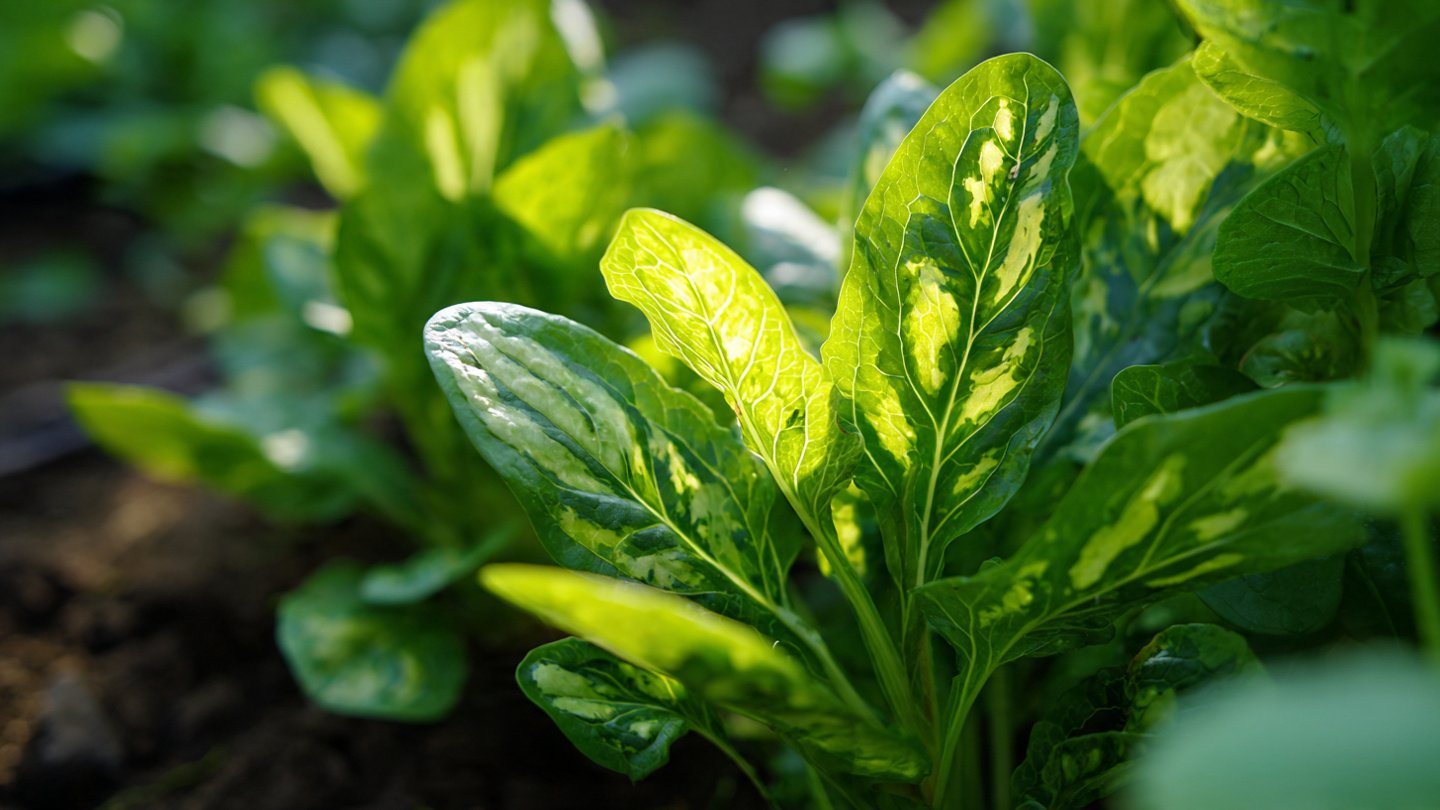
Lemon sorrel (Rumex scutatus) is a delightful perennial herb that’s beloved for its tangy, lemony flavor. Often found in gourmet salads and dishes, it adds a unique twist that can elevate any meal. Growing lemon sorrel is not only straightforward but also rewarding, providing fresh, vibrant leaves for culinary adventures. This guide will take you through the steps needed to cultivate your own lemon sorrel plants, ensuring you have an abundance of this fantastic herb in your garden.
Understanding Lemon Sorrel
Before diving into the growing process, let’s explore what lemon sorrel is and why it’s worth cultivating. Lemon sorrel is a cool-season herb that thrives in temperate climates. It’s characterized by its glossy, arrow-shaped leaves that have a refreshing, citrus-like flavor. Nutritionally, it is rich in vitamins A and C, making it a valuable addition to your diet.
Culinary Uses
Lemon sorrel can be used in a variety of ways:
- Salads: Toss fresh leaves into salads for a zesty kick.
- Soups: Add it to soups for a refreshing flavor.
- Sauces: Blend it into sauces to enhance dishes.
- Garnishes: Use it as a garnish for meats, fish, and vegetables.
Health Benefits
Beyond its culinary uses, lemon sorrel offers numerous health benefits. The herb is known for its antioxidant properties, aiding in digestion and supporting overall health.
Step 1: Choosing the Right Location
Sunlight Requirements
Lemon sorrel flourishes in full sun to partial shade. Ideally, choose a spot in your garden that receives at least 4-6 hours of sunlight daily. However, it can tolerate some shade, especially in hotter climates where the afternoon sun could be too intense.
Soil Type
Lemon sorrel prefers well-draining, loamy soil rich in organic matter. Aim for soil with a pH of 6.0 to 7.0. Conducting a soil test can help ensure your soil conditions are ideal for growth.
Step 2: Preparing the Soil
Amending the Soil
If your soil is heavy or clay-like, amend it with organic compost and well-rotted manure. This will improve drainage, provide nutrients, and enhance the soil structure.
Tilling
Till the soil to a depth of about 12 inches, breaking up any large clumps and removing rocks or debris. This step ensures a fertile and welcoming environment for your sorrel plants.
Step 3: Sowing Lemon Sorrel Seeds
When to Plant
Lemon sorrel can be sown in early spring or late summer to early fall. In warmer climates, consider a fall sowing to ensure the plants have cooler temperatures for optimal growth.
Direct Sowing
- Seed Placement: Create shallow furrows in the soil about 1/4 inch deep. Space the seeds about 12 inches apart, as sorrel can spread out.
- Covering Seeds: Gently cover the seeds with soil and pat down lightly. Water the area thoroughly but avoid saturating the soil.
- Thin the Germination: Once the seedlings emerge, thin them to about 12 inches apart, ensuring adequate airflow and space for growth.
Starting Indoors
In cooler climates, you can start seeds indoors.
- Containers: Use seed trays or small pots filled with seed-starting mix.
- Lighting: Place them under grow lights or in a sunny window.
- Transplanting: Once seedlings have at least two sets of true leaves, transplant them outdoors when the risk of frost has passed.
Step 4: Watering and Maintenance
Watering
Lemon sorrel prefers consistent moisture but will not tolerate soggy soil. Water the plants regularly, especially during dry spells. The soil should be kept evenly moist, and a mulch layer can help retain moisture and suppress weeds.
Weeding
Regularly check your garden for weeds, as they can compete for nutrients and water. Hand-pulling weeds or using a hoe can help keep the area clean and your sorrel thriving.
Fertilizing
While lemon sorrel doesn’t require heavy feeding, applying a balanced organic fertilizer in early spring can support growth. Follow the instructions on the package for dosage and frequency.
Step 5: Pruning and Harvesting
Harvesting Leaves
You can start harvesting lemon sorrel leaves once the plants are well established—usually about 6-8 weeks after planting. Select the outer, mature leaves, which encourages new growth in the center of the plant.
Pruning for Health
Occasionally prune back older leaves to maintain plant health. This also promotes bushier growth and prevents the plant from becoming leggy.
Step 6: Managing Pests and Diseases
Common Pests
Lemon sorrel is relatively pest-resistant, but keep an eye out for aphids and slugs.
- Natural Remedies: Introduce beneficial insects like ladybugs or use neem oil to deter pests.
Diseases
The most common ailments are fungal diseases, typically resulting from overcrowding or poor air circulation.
- Preventive Measures: Ensure adequate spacing between plants and rotate crops each year to minimize disease risk.
Step 7: Overwintering Lemon Sorrel
Lemon sorrel is perennial and can survive winter climates. However, some measures can enhance its survival:
- Mulching: Apply a layer of mulch around the base of the plant to protect the roots from freezing temperatures.
- Cutting Back: In late fall, cut back the foliage to about 2-3 inches above the soil. This helps the plant conserve energy for winter.
Step 8: Enjoying Your Harvest
Once spring arrives, your lemon sorrel will begin to rejuvenate. You can enjoy multiple harvests throughout the growing season. Remember, the flavor is best before the plant flowers, so try to use the leaves early in the season.
Cooking Tips
- Fresh Uses: Add fresh leaves to salads, sauces, and dressings.
- Cooking Applications: Incorporate into soups or sauté with vegetables for a delightful tang.
Conclusion
Growing lemon sorrel is a rewarding experience that can elevate your culinary creations and beautify your herb garden. With a little care and attention, you can cultivate this vibrant herb easily. Follow the steps outlined in this guide, and you’ll be well on your way to enjoying fresh lemon sorrel leaves throughout the growing season. Happy gardening!