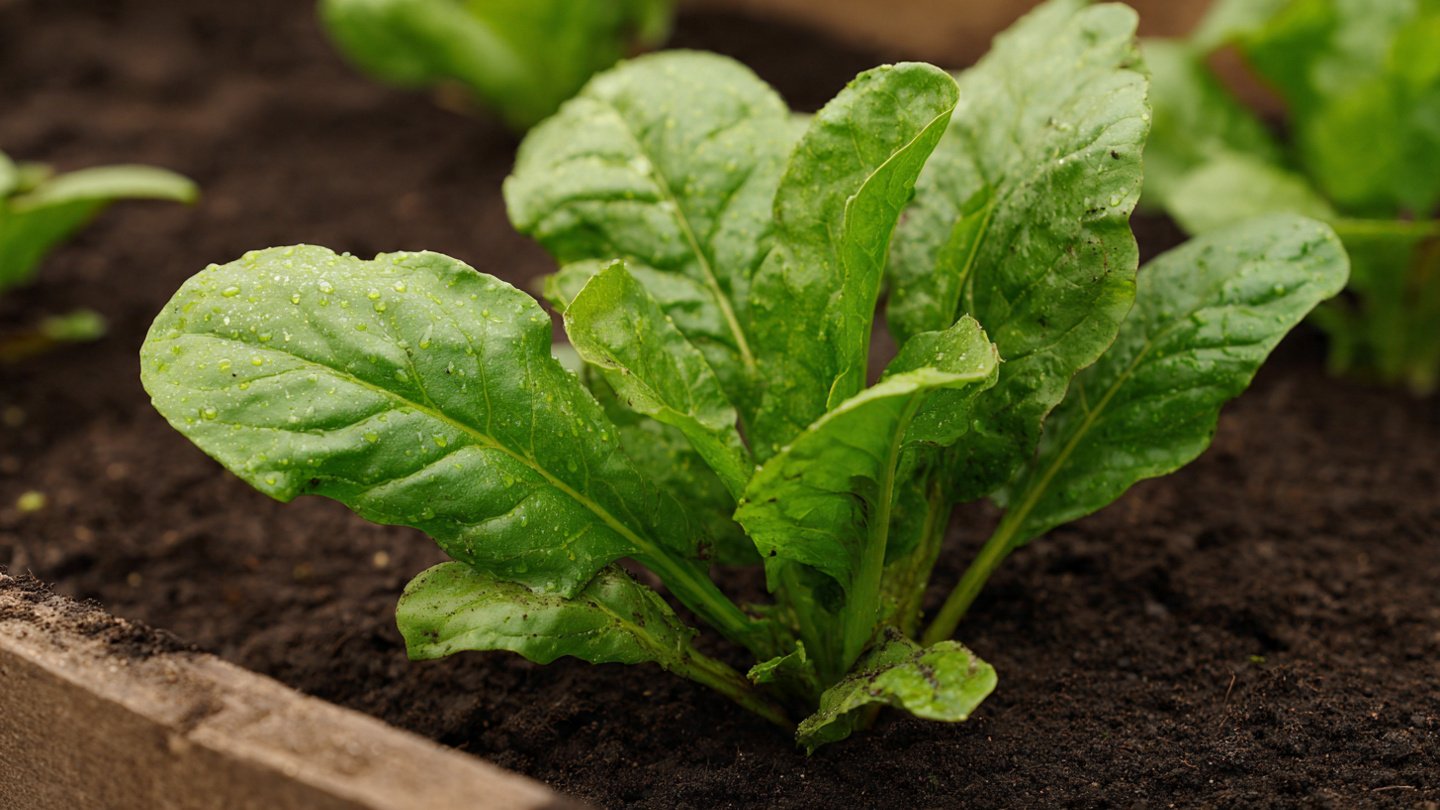
Growing sorrel (Rumex acetosa and related species) in your garden can be a delightful experience. This leafy green herb, known for its tangy, lemon-sorrel flavor, can enhance salads, soups, and sauces. However, one challenge that many gardeners face is the phenomenon known as “bolting.” This article will explore what bolting is, the factors that lead to it, and most importantly, how you can easily prevent it to ensure your sorrel thrives.
Understanding Bolting
What is Bolting?
Bolting refers to the plant’s rapid transition from its vegetative phase to the reproductive phase. When a plant bolts, it sends up stems and flowers, diverting energy away from leaf production. In the case of sorrel, this results in tough, bitter leaves that are unappetizing. Bolting is a common issue in many leafy greens, including lettuce, spinach, and, of course, sorrel.
When Does Bolting Occur?
Bolting often occurs due to environmental stressors, most notably:
- Temperature Changes: Sudden increases in temperature, especially during the heat of summer.
- Day Length: Longer daylight hours can trigger bolting in many plants, signaling them to reproduce.
- Dry Conditions: Lack of water can stress the plant, leading to premature bolting.
Factors Leading to Bolting in Sorrel
-
Heat Stress: Sorrel prefers cooler temperatures and can bolt quickly when exposed to heat, especially if they experience extreme temperature fluctuations.
-
Water Stress: Insufficient water or extreme dryness can stress sorrel plants, prompting them to bolt as a survival mechanism.
-
Nutrient Imbalance: Over-fertilization or nutrient scarcity can lead to poor plant health, encouraging bolting.
-
Crowding: When sorrel plants are too close together, they may be competing for nutrients and space, leading to stress-induced bolting.
-
Pest Infestation: Pests that damage the leaves can also cause stress, leading to bolting.
Strategies for Preventing Bolting in Sorrel
1. Choose the Right Variety
Certain varieties of sorrel are less prone to bolting than others. Before planting, choose varieties specifically bred for heat tolerance or a longer harvest period. Grown from seed, cultivars like French sorrel (Rumex scutatus) can be good options.
2. Timing and Planting
Plant your sorrel at the right time of year. Ideally, you should:
- Sow Seeds: Directly sow them in early spring or late summer for a fall harvest. This will help you avoid the hot summer months.
- Transplanting: If you’ve started seeds indoors, transplant them when the risks of frost have passed, but before the heat settles in.
3. Provide Adequate Water
Watering and maintaining soil moisture is essential for preventing bolting. Here’s what you need to do:
- Deep Watering: Ensure that the soil is consistently moist but not waterlogged. Aim for about 1 inch of water per week.
- Mulching: Apply a layer of mulch around your plants to help retain moisture and regulate soil temperature.
4. Control Soil Temperature
Managing soil temperature can significantly impact sorrel’s growth:
-
Shade Cloths: During the hottest part of the summer, use a shade cloth to shelter your sorrel plants. This can help keep them cool and inhibit bolting.
-
Row Covers: Lightweight row covers can protect plants from the heat while allowing sunlight and rain to reach them.
5. Optimize Soil Fertility
Healthy soil leads to healthy plants, which are less likely to bolt. Here are some tips:
-
Test Soil pH: Sorrel loves slightly acidic to neutral pH (6.0 to 7.0). Test your soil and amend it accordingly.
-
Organic Matter: Enrich the soil with well-rotted compost and organic matter to improve nutrient levels and soil structure.
-
Balanced Fertilization: Use a balanced fertilizer with equal parts nitrogen, phosphorus, and potassium to avoid over-fertilization, which can lead to rapid growth and bolting.
6. Spacing is Key
Proper spacing can reduce competition for nutrients and sunlight, which can inhibit bolting. Here’s how to space your sorrel:
-
Planting Distance: Space plants about 12 to 18 inches apart to ensure they have ample room to grow without competing for resources.
-
Thinning: If you sow seeds closely, thin out the weaker seedlings to prevent overcrowding.
7. Regular Harvesting
Frequent harvesting of sorrel can help to prolong its life and delay bolting:
- Cut Leaves: Regularly trim off the outer leaves of the plant. This not only prevents overcrowding but encourages the plant to focus energy on growing new leaves.
- Avoid Flowering: If you notice flower buds forming, promptly cut them off to redirect the plant’s energy back to leaf production.
8. Monitor for Pests
Pests can cause stress that leads to bolting. Implement these pest management practices:
-
Inspect Regularly: Check your sorrel plants frequently for signs of insect damage, such as holes in the leaves or visible pests.
-
Use Natural Predators: Invite beneficial insects like ladybugs into your garden or use neem oil as a deterrent, keeping pest populations in check.
9. Observe Weather Changes
Be mindful of weather patterns:
-
Track Temperature: Keep an eye on temperature fluctuations and be prepared to take action during heatwaves.
-
Adapt to Conditions: If a heatwave is expected, consider applying mulch or shade cloths in advance.
Conclusion
Preventing bolting in sorrel requires a combination of strategies focused on creating optimal growing conditions. By choosing the right variety, timing your planting, controlling soil moisture and temperature, and maintaining nutrient levels, you can successfully grow sorrel that remains tender and flavorful. Regularly harvesting leaves and monitoring for pests further aids in prolonging your sorrel’s productive life.
With these easy hacks, you can enjoy vibrant, delicious sorrel for salads, soups, and sauces all season long, avoiding the disappointment that comes with bolting. Happy gardening!