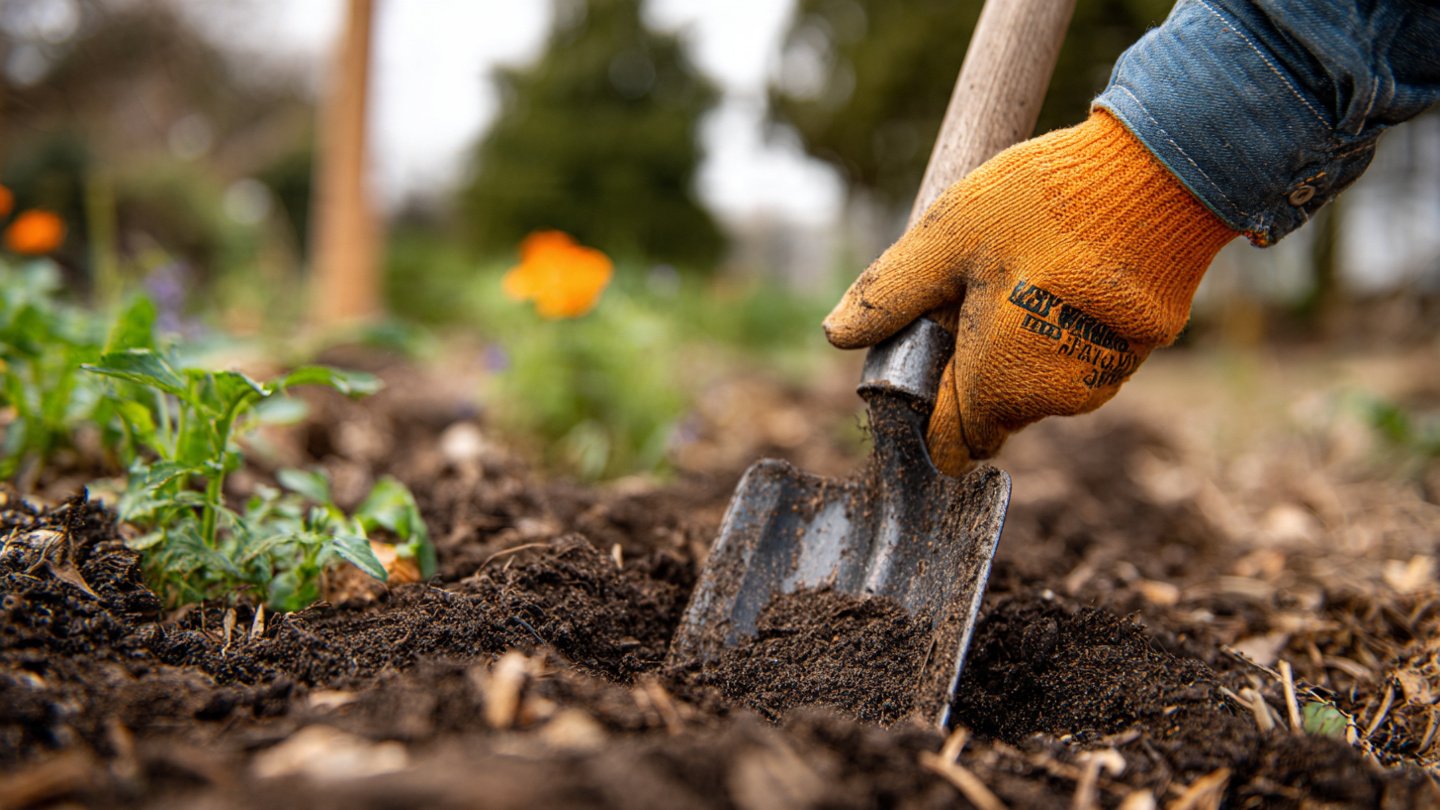
Soil is a fundamental component of gardening and agriculture, affecting everything from plant health to crop yield. Among various types of soil mixes, the Main Orange Soil Mix stands out for its unique properties and benefits. In this comprehensive guide, we will explore how to successfully utilize this specialized soil mix to enhance your planting experience.
Understanding Main Orange Soil Mix
1. Composition and Characteristics
The Main Orange Soil Mix is typically characterized by:
- Texture: A blend of sand, silt, and clay, which balances drainage and nutrient retention.
- Nutrient-Rich: It often includes organic matter like compost or peat, providing essential nutrients.
- pH Level: Generally slightly acidic to neutral, ideal for a variety of plants.
- Aeration: Its structure allows for optimal aeration, promoting healthy root development.
These characteristics make the Main Orange Soil Mix suitable for a range of gardening applications—from flower beds to vegetable plots.
2. Benefits of Main Orange Soil Mix
- Enhanced Drainage: The sandy component allows excess water to drain away, reducing the risk of root rot.
- Nutrient Availability: The organic matter enriches the soil, making nutrients readily available to plants.
- Improved Soil Structure: Over time, it encourages beneficial microbial activity, which further enhances soil quality.
Preparing for Use
3. Choosing the Right Container or Garden Bed
When using Main Orange Soil Mix, the first step is to select an appropriate container or garden bed. Here are some considerations:
- Drainage: Ensure your pots or garden beds have adequate drainage holes.
- Size: Choose a size that fits the type of plants you wish to grow. Larger containers are ideal for deep-rooted plants.
4. Testing the Soil
Before planting, test the Main Orange Soil Mix for pH and nutrient levels. Many garden centers sell DIY soil test kits.
- pH Testing: Aim for a pH between 6.0 and 7.0 for most plants. If it’s too acidic, consider adding lime; if too alkaline, add sulfur.
- Nutrient Testing: Check for nitrogen, phosphorus, and potassium levels. Additional fertilizers may be necessary based on your results.
5. Mixing and Enhancing the Soil
In some cases, you may want to modify the Main Orange Soil Mix. Here are some options:
- Adding Perlite or Vermiculite: These materials improve aeration and moisture retention.
- Incorporating Fertilizers: A slow-release fertilizer can provide essential nutrients for your plants.
Mix these amendments thoroughly with the Main Orange Soil Mix to create an optimal planting medium.
Planting with Main Orange Soil Mix
6. Selecting Plants
Choose plants that thrive in the conditions provided by the Main Orange Soil Mix. Here are some recommendations:
- Vegetables: Tomatoes, peppers, and lettuce can flourish in this mix.
- Flowers: Sunflowers, marigolds, and zinnias are also excellent choices.
Research the specific needs of your plant selections to ensure compatibility with the soil mix.
7. Planting Techniques
When planting, follow these steps:
- Fill the Container: Leave a little space at the top to prevent soil from spilling out.
- Create Planting Holes: Make holes appropriate for the root systems of your plants.
- Place the Plants: Gently remove plants from their pots. Loosen the roots if they are tightly bound, then place them in the holes.
- Cover and Water: Fill in around the plants with the Main Orange Soil Mix, firming it gently. Water immediately to settle the mix around the roots.
Maintenance
8. Watering Practices
Maintaining proper moisture levels is crucial. Here are some tips:
- Check Moisture Levels: Stick your finger into the soil about an inch. If it feels dry, it’s time to water.
- Watering Schedule: Established plants require less frequent watering, while seedlings may need daily moisture.
9. Fertilization
Regular fertilization is vital for healthy plant growth in the Main Orange Soil Mix.
- Type of Fertilizer: A balanced, slow-release fertilizer is usually best. Liquid fertilizers can also be used but may need more frequent applications.
- Frequency: Apply fertilizer every 4-6 weeks during the growing season.
10. Weeding and Pest Control
Keep the area free from weeds that compete for nutrients and water. Mulching can help suppress weeds while retaining moisture.
Pest control is equally important:
- Regular Inspections: Check your plants for signs of pests.
- Natural Remedies: Introduce beneficial insects or use organic pesticides to manage pests safely.
Troubleshooting Common Issues
11. Soil Compaction
Over time, soil can become compacted, which reduces aeration and drainage. To alleviate this:
- Aeration: Use a garden fork to aerate the soil.
- Add More Organic Material: Periodically mixing in compost can help maintain soil structure.
12. Nutrient Deficiencies
Signs of nutrient deficiencies include yellowing leaves or stunted growth. Identify and correct deficiencies promptly:
- Signs of Deficiency: Research plant-specific symptoms and adjust fertilizer or organic matter accordingly.
13. Overwatering or Underwatering
Both overwatered and underwatered plants exhibit signs of distress, such as wilting or yellowing leaves.
- Adjust Watering Schedule: Modify your schedule based on environmental conditions and plant needs.
Seasonal Considerations
14. Winter Care
If you are in a region with cold winters, ensure the Main Orange Soil Mix is prepared for the season:
- Mulching: A layer of mulch can protect the soil and regulate temperature.
- Indoor Transition: If using containers, consider moving plants indoors or to a sheltered location.
15. Spring Preparation
As winter ends, prepare your Main Orange Soil Mix for spring planting:
- Replenishing Nutrients: Add fresh organic material or compost to revitalize the soil mix.
- Test and Adjust pH: Ensure the pH is within the desired range.
Conclusion
Successfully using Main Orange Soil Mix can significantly enhance your gardening experience, leading to healthier plants and abundant yields. By understanding its characteristics, preparing adequately, planting with care, and maintaining your garden throughout the seasons, you’ll unlock the full potential of this versatile soil mix. Happy gardening!