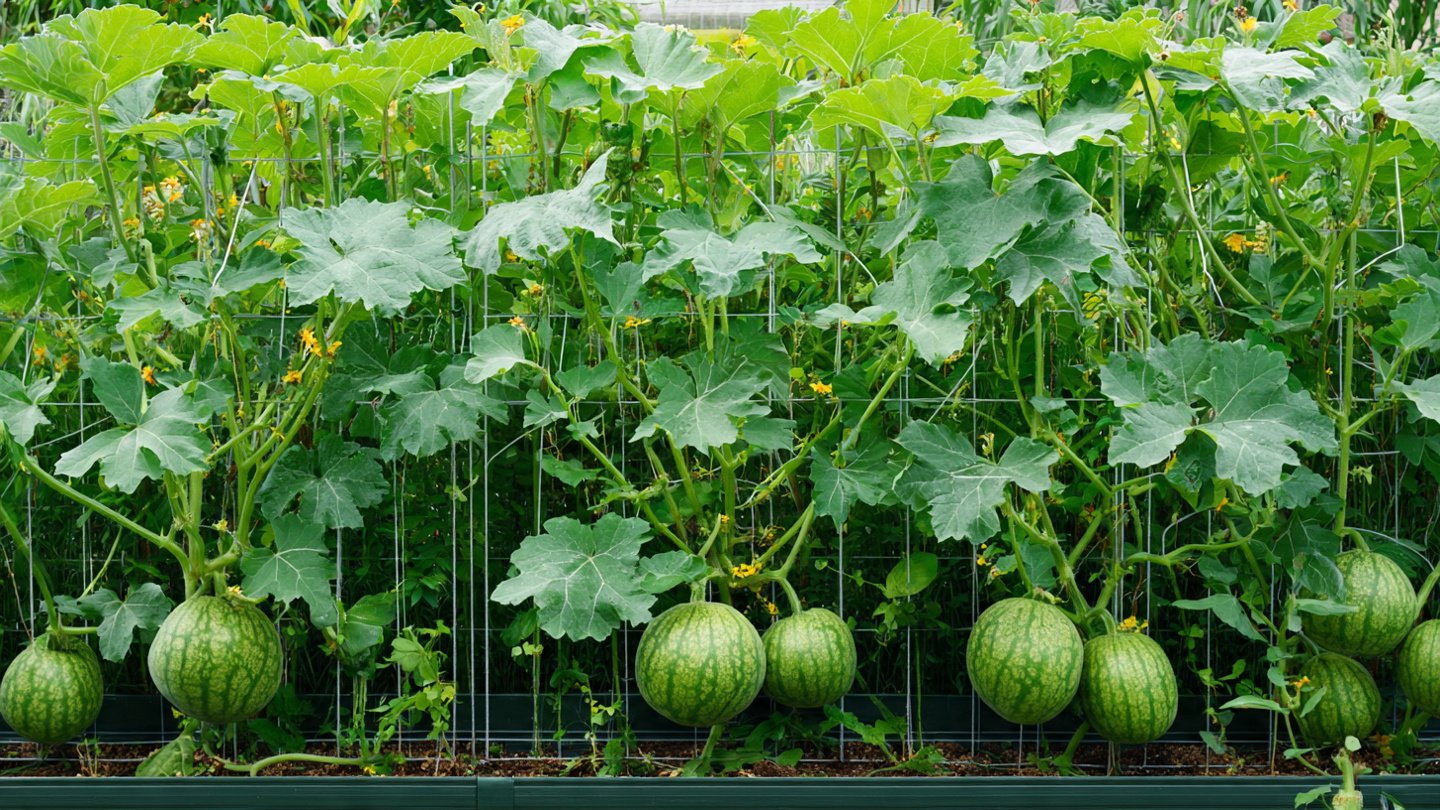
Watermelons are a beloved summer fruit known for their juicy sweetness and refreshing taste. Growing watermelons in your garden can be highly rewarding, but it requires careful attention to plant care to produce healthy, bountiful fruit. One of the most effective techniques to ensure healthier growth and optimize space is the vertical support method. This article will delve into how to master the watermelon plant vertical support technique, covering everything from the basics to advanced tips, ensuring your watermelon vines flourish vertically for better air circulation, pest control, and higher yields.
Understanding the Basics of Watermelon Plant Growth
Before diving into vertical support techniques, it’s crucial to understand the growth pattern of watermelon plants. Watermelons are vining plants that naturally spread across the ground. Their sprawling vines can grow several feet long, requiring ample space in a traditional garden layout. These vines produce flowers, which later develop into heavy fruits that tend to rest on the soil.
However, ground growth has its downsides:
- Fruits lying on the soil can develop rot or get damaged by pests.
- Limited airflow beneath dense foliage can encourage fungal diseases.
- Space constraints can limit the number of plants you can grow.
Vertical growing is a technique that addresses these issues by training watermelon vines to climb upward rather than sprawling on the ground. This method improves plant health and fruit quality by enhancing sunlight exposure, promoting air circulation, and reducing pest and disease problems.
Why Choose Vertical Support for Watermelon Plants?
Using vertical support systems for watermelon cultivation offers several key benefits:
1. Space Efficiency
Vertical gardening allows you to use vertical space instead of horizontal land, which is especially useful if you have a small garden or want to maximize production in limited areas.
2. Better Air Circulation
Training vines to grow vertically increases air flow through the plant canopy. This reduces the risk of fungal infections and other plant diseases that thrive in stagnant, moist conditions.
3. Improved Sunlight Exposure
Vines and leaves arranged vertically receive more balanced sunlight, fostering better photosynthesis, stronger growth, and healthier plants overall.
4. Pest Management
Keeping fruits off the ground decreases their exposure to soil-borne pests and diseases. It also discourages rodents and insects that might otherwise damage the fruits.
5. Easier Harvesting
Harvesting watermelons from a vertical trellis can be more convenient as fruits are more visible and accessible.
Essential Materials for Vertical Watermelon Support
Before getting started, gather these essential materials:
- Strong trellis or support structure: A sturdy trellis made of wood, metal, or durable plastic mesh is crucial to supporting the weight of growing watermelon vines and fruits.
- Garden twine or plant ties: Use soft ties to gently secure the vines without damaging the stems.
- Slings or hammocks: Since watermelons can become quite heavy, slings made from old stockings, mesh fabric, or other soft materials cradle the fruit and prevent stems from breaking.
- Pruning shears: To trim unnecessary growth and maintain vine health.
- Growing medium: If growing vertically in containers, ensure you have nutrient-rich soil or potting mix.
Step-by-Step Guide to the Vertical Support Technique
Step 1: Choose the Right Watermelon Variety
Not all watermelons are ideal for vertical growing. Select smaller or bush-type watermelon varieties that have more manageable vine lengths and fruit sizes. Some recommended varieties include:
- Sugar Baby
- Bush Jubilee
- Icebox Watermelon
These varieties tend to have smaller fruits and more compact growth habits suited for trellising.
Step 2: Set Up the Trellis
Install a trellis before planting watermelons. A trellis that is 6 to 8 feet tall is ideal for supporting the vines as they grow upwards. Anchor the trellis securely into the ground to prevent tipping under the weight of the fruit.
You can construct a trellis using:
- Wooden stakes with chicken wire or mesh
- PVC pipes with netting
- Metal frames
Ensure that the trellis surface has enough grip or horizontal ties to allow the vines to climb naturally.
Step 3: Plant the Watermelon Seedlings
Plant your watermelon seedlings about 12 to 18 inches apart at the base of the trellis. Space is critical to allow enough room for roots to develop and for individual plants to climb without overcrowding.
Step 4: Train the Vines to Climb
As watermelon vines grow, gently direct them towards the trellis. Use garden twine or soft plant ties to attach the vine to the trellis at intervals, supporting the vine without constricting its growth.
Continue guiding new growth upwards, and prune any side shoots that don’t contribute to climbing or fruiting to focus plant energy on vertical growth.
Step 5: Support Developing Fruits with Slings
Once flowers set fruit, the developing watermelons become heavy and can strain the vine. To prevent stems from breaking:
- Create slings using stretchy fabric such as old nylons, mesh bags, or soft cloth.
- Gently cradle each fruit in a sling, then tie the sling to the trellis.
- This distributes the weight evenly and protects the vine.
Step 6: Regular Maintenance and Care
- Watering: Watermelons need consistent moisture but avoid waterlogging. Drip irrigation works well for vertical gardens.
- Fertilizing: Use a balanced fertilizer high in potassium to promote fruit development.
- Pruning: Regularly prune excess foliage and non-fruiting shoots to improve airflow and sunlight penetration.
- Pest monitoring: Inspect for aphids, beetles, and other common pests, and manage infestations early.
Troubleshooting Common Challenges
Vine Breakage
If vines break under fruit weight, reinforce your slings, and ensure your trellis is sturdy. Prune some fruits if the vine appears overloaded.
Insufficient Climbing
If vines aren’t climbing properly, check that twine is supporting them gently but firmly. Sometimes manually wrapping vines around the trellis helps.
Fruit Dropping or Poor Development
This may indicate nutrient deficiencies or irregular watering. Adjust feeding schedules and watering accordingly.
Disease Issues
Vertical growth reduces many fungal problems, but you should still be vigilant about powdery mildew or downy mildew, especially in humid climates.
Advanced Tips for Mastery
- Companion Planting: Plant companion crops like beans or marigolds near watermelons to boost growth and deter pests.
- Greenhouse Vertical Growing: For year-round cultivation, use vertical systems inside greenhouses with controlled temperature and humidity.
- Hydroponic or Aquaponic Vertical Systems: Experiment with soilless vertical growing methods to maximize yield and reduce soil-borne problems.
Conclusion
Mastering the vertical support technique for watermelon plants is a game-changer for gardeners seeking healthier plants, higher yields, and efficient space use. By selecting the right varieties, constructing sturdy trellises, training vines effectively, and providing sound support for heavy fruits, you can transform your watermelon growing experience. This method not only enhances fruit quality and plant health but also makes garden maintenance and harvesting more manageable and enjoyable.
Give vertical watermelon growing a try, and enjoy the sweet rewards of your healthy, flourishing vines!