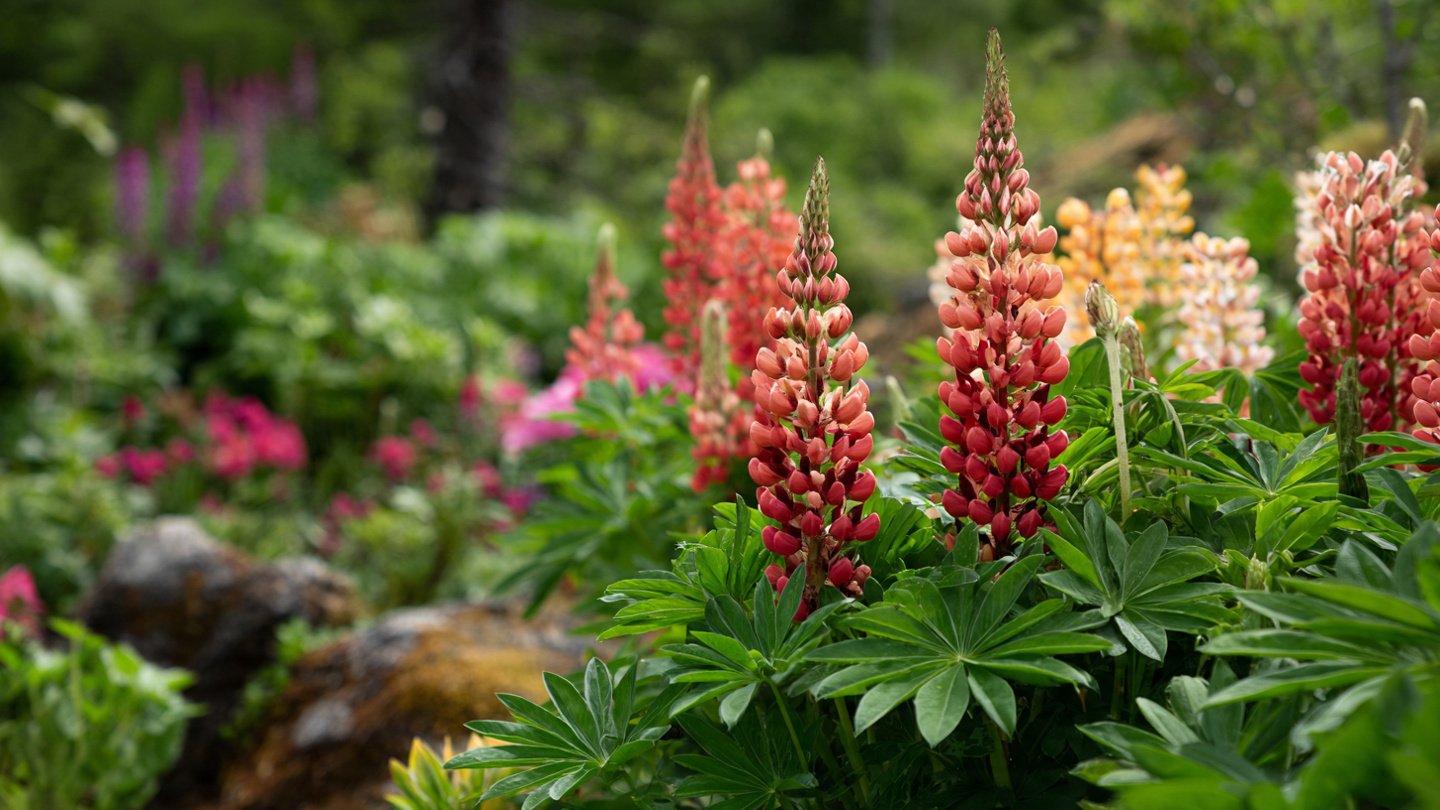
How to Successfully Grow Lupin from Seed: The Best Way to Nurture Your Plants
Lupins, with their stunning, vibrant flower spikes and lush foliage, are a favorite among gardeners and landscape designers. Native to temperate regions across the world, these perennial plants are not only beautiful but also beneficial for the soil as they fix nitrogen. Growing lupins from seed can be a rewarding endeavor, and in this guide, we will explore the essential steps to nurture your lupins to ensure a healthy and bountiful bloom.
Understanding Lupins
Before diving into the growing process, it’s crucial to understand what lupins are and their growing requirements. There are several species of lupins, with Lupinus polyphyllus (the big-leaved lupin) and Lupinus angustifolius (the narrow-leaved lupin) being among the most popular in gardens. They thrive in USDA hardiness zones 4 to 8, prefer well-drained, sandy to loamy soils, and thrive with full sun to partial shade.
Lupins are excellent for attracting pollinators, including bees and butterflies, making them a beneficial addition to any garden. They can grow between 1 to 4 feet tall, and their flowers can range from blues and purples to pinks and whites.
Step 1: Choosing the Right Seeds
The first step in growing lupins from seed is to choose the correct type. You can purchase seeds from local garden centers or order them online. Look for reputable suppliers to ensure quality and viability. Moreover, consider whether you want annual or perennial lupins, as this will influence your garden plan.
Step 2: Preparing for Planting
Timing
Lupin seeds can be sown directly in the garden after the last frost or indoors for earlier blooms. If you’re starting indoors, aim to sow seeds about 6-8 weeks before the last expected frost date in your area.
Soil Preparation
Lupins prefer well-draining soil, ideally with a pH between 6.0 and 7.0. Here’s how to prepare your soil:
- Testing: Conduct a soil test to determine the pH and nutrient levels. Kits are available at garden centers or online.
- Amendments: If the soil is too acidic, add lime; if it’s too alkaline, add sulfur. Incorporate compost to improve organic content and drainage.
- Tilling: Till the soil to a depth of about 12-15 inches to aerate it and break up clumps.
- Leveling: Rake the soil’s surface to create a smooth, level planting area.
Step 3: Germinating Seeds
Pre-Soaking
Lupin seeds have a hard outer shell, making germination slow. To enhance germination rates, consider pre-soaking the seeds:
- Place seeds in lukewarm water.
- Let them soak for 24 hours, which will help to soften the seed coat and promote faster germination.
Sowing Seeds
After pre-soaking, you’re ready to sow the seeds. Here’s how to do it:
- Indoors: Use seed trays or biodegradable pots filled with a sterile seed-starting mix. Sow seeds about 1 inch deep and space them 3-4 inches apart. Water gently but thoroughly.
- Outdoors: Plant seeds in prepared beds, spacing them 12-18 inches apart to accommodate their growth. Cover with soil and water well.
Step 4: Ensuring Successful Germination
Temperature and Light
Lupin seeds require warm soil to germinate. Aim for a soil temperature between 65-75°F (18-24°C). If starting indoors, place trays in a warm location or use a heat mat. They also need light; once seedlings emerge, ensure they receive bright, indirect sunlight.
Watering
Keep the soil consistently moist but not soggy. Water gently to avoid displacing the seeds. Once seeds germinate, reduce watering frequency, allowing the top inch of soil to dry between waterings.
Step 5: Caring for Seedlings
Once your lupin seeds have germinated and seedlings have emerged, it’s time for some nurturing. Here are essential care tips:
Thinning Seedlings
If you have multiple seedlings in one pot or area, thin them so the strongest ones remain. This prevents competition for nutrients and encourages robust growth. Ideally, leave one strong seedling per pot or per 12-18 inch space in the garden.
Fertilization
Lupins are nitrogen-fixing plants and typically do not need a lot of fertilizers. However, applying a balanced, slow-release fertilizer can be beneficial during the early growth stage. Follow the package instructions to avoid over-fertilizing.
Pest and Disease Management
Keep an eye out for common pests like aphids and slugs. If you notice any signs of infestation, treat plants with appropriate organic insecticides or natural remedies, such as neem oil. Good air circulation and avoiding overhead watering can also help prevent fungal diseases.
Step 6: Transplanting Seedlings
If you started your seeds indoors, you need to transplant them outdoors once they have grown 2-3 sets of true leaves and the risk of frost has passed.
- Hardening Off: Gradually acclimatize your seedlings to outdoor conditions over a week. Start by placing them outside in partial shade for a few hours each day, gradually increasing their exposure to sunlight and outdoor temperatures.
- Transplanting: Choose a cloudy day or late afternoon for transplanting to reduce stress. Dig a hole larger than the root ball of your seedling, gently remove the seedling from its pot, and place it in the hole. Backfill with soil and water thoroughly.
Step 7: Ongoing Care
Watering
During the establishment phase, water your newly transplanted lupins deeply once a week, especially if rainfall is scarce. After they are established, lupins are quite drought-tolerant, requiring less frequent watering.
Mulching
Apply a layer of organic mulch around the base of your lupins. This helps retain moisture, suppress weeds, and improves soil quality as it decomposes. Ensure the mulch is a few inches away from the plant’s stem to prevent rot.
Pruning and Deadheading
Deadhead spent flowers to encourage further blooming and prevent plants from going to seed too early. This process allows the plant to focus its energy on producing more flowers rather than developing seeds.
Step 8: Harvesting Seeds
If you wish to save seeds for next season or for sharing, allow some flower spikes to mature fully. Once the pods turn brown and dry out, harvest them, taking care to store them in a cool, dry place until ready to plant again.
Step 9: Enjoying Your Blooming Lupins
As summer approaches, your lupins will begin to bloom, showcasing their stunning flowers. They can thrive as border plants, in cottage gardens, or even in pots. Enjoy the beauty and fragrance they bring to your space, and appreciate the diverse wildlife they attract.
Conclusion
Growing lupins from seed is not only an enjoyable gardening project but also a way to contribute positively to the environment. With careful planning, preparation, and nurturing, you can successfully cultivate these beautiful plants and enjoy their vibrant blooms season after season. Remember, gardening is a learning process, so don’t be afraid to experiment and adapt your techniques to what works best for you and your unique growing conditions. Happy gardening!