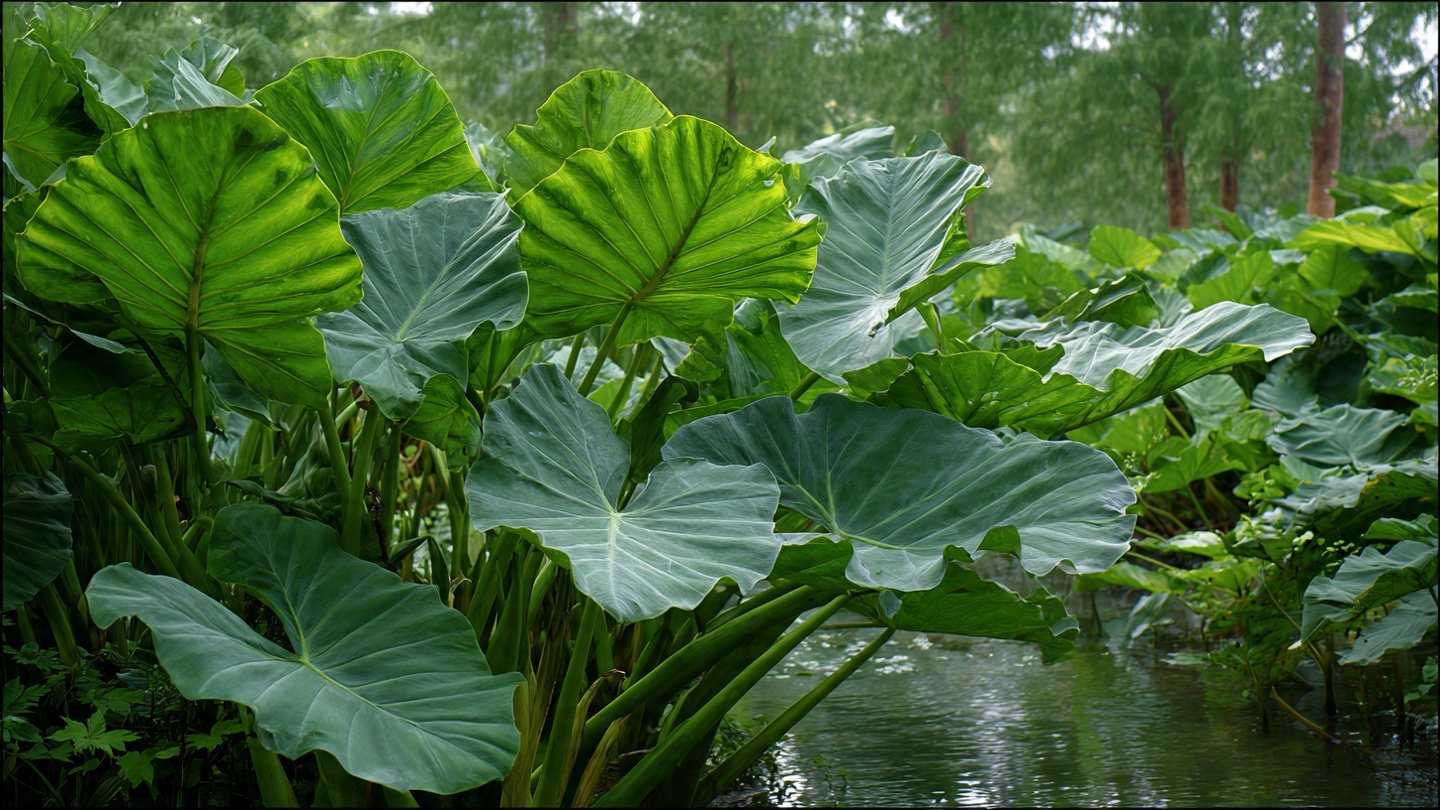
Colocasia, commonly known as taro, elephant ear, or gabi, is a stunning tropical plant prized for its large, dramatic leaves and adaptability to wet environments. Growing colocasia in water areas offers not only a beautiful aesthetic but also an effective way to cultivate this plant, especially for beginners. This guide will walk you through the key principles and practical steps to successfully grow colocasia in water, ensuring lush, vibrant plants in your garden or aquatic landscape.
Understanding Colocasia
Colocasia belongs to the Araceae family, which also includes other well-known plants like peace lilies and philodendrons. It is native to tropical Asia and the Pacific Islands, where it often grows in wet, marshy areas. The plant features large, heart-shaped leaves that can reach up to three feet in length, depending on the variety. Additionally, colocasia produces corms, which are similar to tubers and can be harvested and consumed as a starchy vegetable.
The main appeal of colocasia lies in its ornamental properties. When planted in water, colocasia transforms a garden into a tropical paradise, with its lush foliage and the calming presence of standing water. Additionally, colocasia can improve water quality by filtering pollutants, making it an excellent choice for water gardens or ponds.
Benefits of Growing Colocasia in Water
Growing colocasia in water areas has several advantages:
- Natural Habitat: Colocasia thrives in wet conditions, mimicking its native habitat.
- Pest Resistance: Water helps deter pests that thrive in dry soil conditions.
- Stunning Visuals: Large leaves create a striking visual impact, enhancing the beauty of any aquatic environment.
- Easy Maintenance: Water-grown colocasia typically requires less frequent watering compared to those planted in soil.
- Edibility: Some varieties produce edible corms that can be harvested and consumed.
Choosing the Right Location
Before you begin planting, choosing the right location for your colocasia is crucial. Here are some considerations:
- Sunlight: Colocasia prefers partial to full sunlight. Ideally, select a spot that receives at least 4-6 hours of sunlight daily. While some varieties can tolerate shade, they may not thrive as vigorously.
- Water Depth: Since colocasia grows well in wet conditions, consider the water depth. Depending on the variety, they can thrive in water levels ranging from a few inches to 2 feet deep.
- Water Quality: Ensure the water is clean and well-aerated. Stagnant water with minimal movement can lead to algae growth and other issues.
Selecting the Right Variety
Not all colocasia varieties are created equal, and some are better suited for water growth than others. Here are a few popular varieties to consider:
- Colocasia esculenta (Taro): This is the most commonly grown variety, known for its edible corms.
- Colocasia ‘Black Magic’: This variety features dark, nearly black leaves and is a striking addition to any water garden without being invasive.
- Colocasia ‘Diamond Head’: Characterized by its textured leaves, this variety can add depth and interest to your landscape.
- Colocasia ‘Hawaiian Punch’: Known for its vibrant, colorful leaves, this variety provides an extraordinary visual appeal.
- Colocasia ‘Mojito’: Famed for its variegated leaves, giving a unique look that’s both elegant and tropical.
Propagating Colocasia
Whether you’re starting from seed or corms, here’s how to propagate colocasia effectively:
From Corms
- Harvesting: If you’re using corms from an existing plant, choose healthy, plump corms. Ensure they are at least a couple of inches in diameter.
- Preparing: Before planting, inspect the corms. Discard any that show signs of rot or disease.
- Planting: Submerge the corms in water in a container or directly in the water garden. Ensure they are covered with at least 2-3 inches of water.
- Spacing: If planting multiple corms, space them at least 12-24 inches apart to provide adequate growth room.
From Seeds
Growing colocasia from seeds is less common but still viable:
- Seed Selection: Look for seeds specifically labeled for colocasia. These may be found at garden centers or online.
- Soaking: Soak the seeds in water for 24 hours before planting to improve germination rates.
- Planting: In a seed-starting tray filled with moistened potting mix, plant the seeds, just covering them with the soil. Maintain consistent moisture but avoid waterlogging.
- Transplanting: Once seedlings are around 4-6 inches tall and have a few leaves, consider transplanting them into a water garden or larger container.
Establishing the Growing Environment
Once you have your corms or seeds planted, it’s essential to create an environment conducive to growth.
Water Management
- Water Change: Change the water every couple of weeks to maintain quality and prevent the build-up of algae and other contaminants.
- Water Additives: If necessary, add water-soluble fertilizers that are suitable for aquatic plants to encourage healthy growth.
Temperature
Colocasia thrives in warm temperatures. Aim to keep the water temperature between 70°F and 85°F (21°C – 29°C). If you live in a cooler climate, consider using heaters in your water area during the colder months.
Fertilization
While colocasia can grow well in nutrient-rich water, periodic fertilization can enhance their growth:
- Fertilizer Type: Use a slow-release aquatic fertilizer or liquid fertilizer specifically designed for aquatic plants.
- Application: Apply fertilizer according to package instructions, usually every 4-6 weeks during the growing season.
Common Issues and Solutions
Even the hardiest plants can face challenges. Here are some common problems when growing colocasia in water and how to address them:
- Yellowing Leaves: This can be a sign of nutrient deficiency. Ensure your plants are receiving adequate fertilization.
- Wilting: If the leaves are wilting, check the water level. Ensure the corms are submerged but not overly flooded.
- Algae Growth: Reduce algae by maintaining a clean water environment, utilizing aquatic plants for shade, and using beneficial bacteria as needed.
- Pests: While colocasia are relatively pest-resistant, keep an eye out for aphids or spider mites. If detected, use insecticidal soap or neem oil to control pests.
Harvesting Your Corms
If you’ve chosen a variety of colocasia that produces edible corms, harvesting is a rewarding experience:
- Timing: Wait until the leaves begin to yellow and die back, usually 7-12 months after planting, depending on the variety.
- Harvesting: Carefully lift the corms from the water, taking care not to damage them. Rinse off any excess dirt or debris in clean water.
- Storage: Store your harvested corms in a cool, dry place. They can be consumed fresh or cooked in various dishes.
Conclusion
Growing colocasia in water areas is not only feasible but can also be a visually appealing choice for your garden or landscape. The plant’s adaptability to wet environments, combined with its ornamental beauty, makes it an excellent option for beginners looking to cultivate unique flora. By understanding the needs of colocasia and following the guidelines provided in this article, you’ll create a thriving aquatic space that showcases these magnificent plants.
Whether you’re interested in the ornamental value or the potential for harvesting, colocasia offers a rewarding gardening experience. Dive into the world of colocasia and watch your water garden flourish!