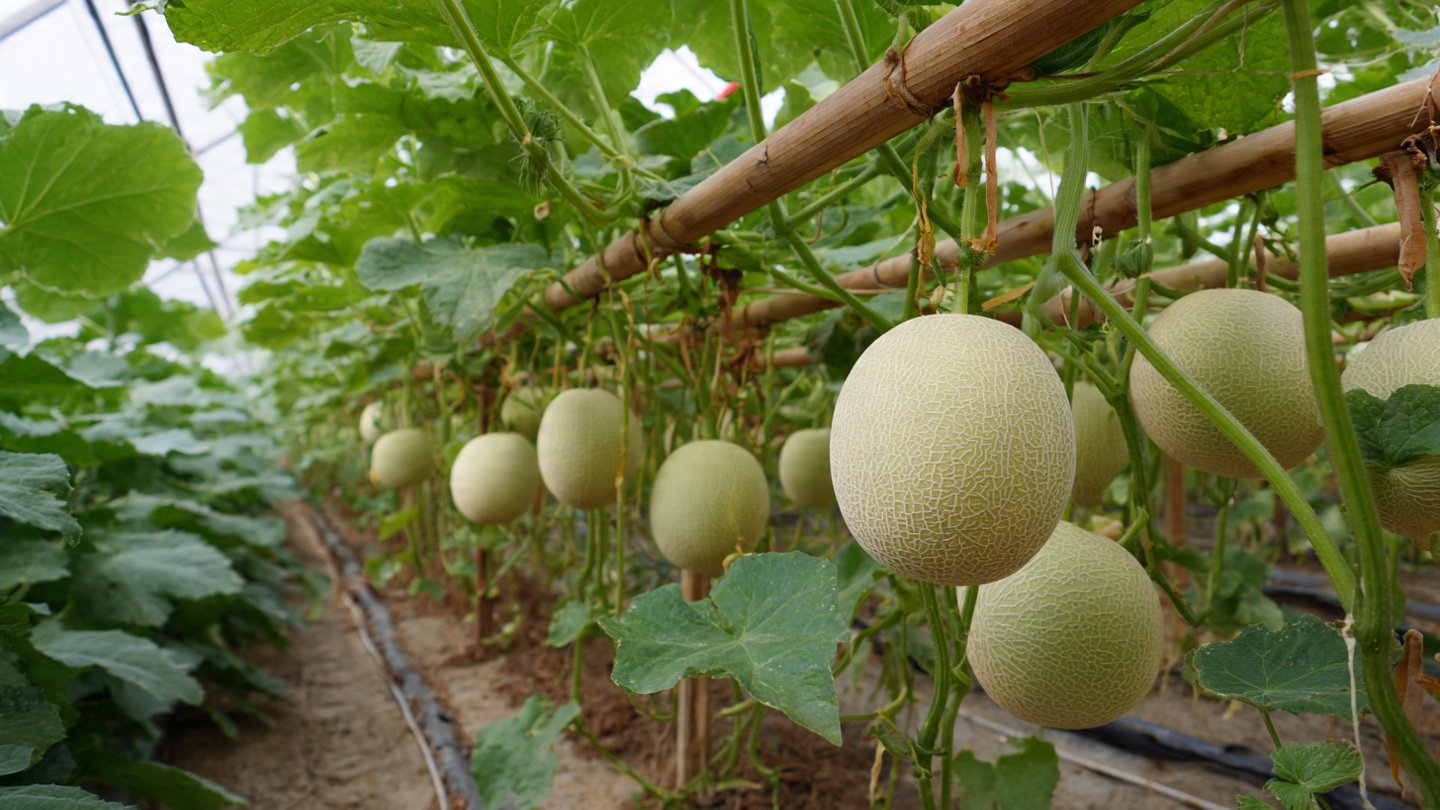
Muskmelons, also known as cantaloupes, are succulent, sweet fruits loved by many. They thrive in warm climates and are usually grown in gardens or farms where space isn’t a constraint. However, with increasing urbanization and the rise of home gardening in small spaces like balconies and patios, maximizing yield in limited space has become a crucial challenge. The space-saving muskmelon growing method provides a practical solution to this challenge and helps gardeners achieve a bountiful harvest even in confined areas. In this article, we’ll explore how to maximize your muskmelon harvest using this innovative method.
Understanding the Space-Saving Muskmelon Growing Method
The space-saving muskmelon growing method is a cultivation technique designed for confined spaces. It involves vertical gardening techniques, strategic pruning, and optimized plant care to enhance growth and fruit production without requiring large ground areas.
Why Use the Space-Saving Method?
- Efficient use of space: Vertical gardening allows muskmelons to grow upward, freeing ground space.
- Improved air circulation: Hanging fruits and leaves vertically reduce humidity and lower the risk of diseases.
- Ease of maintenance: Vertical positioning makes it easier to manage pests, prune plants, and harvest fruits.
- Higher yield: Maximizing space and optimizing plant health can boost fruit production.
Steps to Maximize Your Harvest Using the Space-Saving Muskmelon Growing Method
1. Choose the Right Muskmelon Variety
Selecting the appropriate variety is the first step. Choose dwarf or compact varieties that are well-suited for vertical growth. Examples include:
- Honeydew: Known for sweetness and compact vines.
- Minnesota Midget: Small fruits with manageable vine length.
- Sugar Cube: Compact growth and high yield per plant.
These varieties produce fruit that is easier to manage when grown vertically.
2. Prepare Your Growing Space
Whether you’re using a balcony, rooftop garden, or small backyard, you need to prepare the environment:
- Containers or raised beds: Use large containers (at least 15 gallons) or raised beds filled with rich, well-draining soil.
- Vertical supports: Install trellises, stakes, or cages to support vines. Trellises should be sturdy and at least 5-6 feet tall.
- Sunlight: Ensure the location receives at least 6 to 8 hours of direct sunlight daily.
3. Soil Preparation and Fertilization
Muskmelons prefer loose, nutrient-rich soil with good drainage.
- Soil mix: Combine garden soil, compost, and perlite or sand to improve drainage.
- pH: Aim for a soil pH between 6.0 and 6.8.
- Fertilization: Before planting, incorporate a balanced fertilizer rich in phosphorus and potassium to promote root and fruit development.
- Regular feeding: Use organic liquid fertilizers or compost tea every 2-3 weeks during the growing season.
4. Planting and Spacing
- Start indoors: For early crops, start seeds indoors 4-6 weeks before the last frost.
- Transplant carefully: When seedlings develop 2-3 true leaves, transplant them into containers or garden beds.
- Space efficiently: Plant 2-3 seedlings per 15-gallon container or space them 12-18 inches apart if planting in raised beds.
- Training vines: As vines grow, gently tie them to the trellis using soft garden ties to avoid damaging stems.
5. Watering and Moisture Control
Muskmelons need consistent watering but are sensitive to waterlogged soil.
- Water deeply: Provide deep watering sessions to encourage strong root systems but allow soil to dry slightly between watering.
- Drip irrigation: Use drip irrigation or soaker hoses for efficient water delivery and to keep foliage dry, which helps prevent diseases.
- Mulching: Apply organic mulch around the base to retain moisture and control weeds.
6. Pruning for Maximum Yield
Trimming excess growth directs the plant’s energy toward fruit production.
- Remove suckers: Pinch off side shoots that don’t produce fruit.
- Limit vines: Allow only 2-3 main vines to grow vertically per plant.
- Leaf trimming: Occasionally remove yellowing or diseased leaves to improve air circulation.
- Fruit thinning: If the plant develops excessive small fruits, thin them to allow remaining fruits to grow larger.
7. Pollination
Muskmelons require pollination to set fruit.
- Encourage pollinators: Grow flowers nearby that attract bees and other pollinators.
- Hand pollination: In small or indoor setups, use a paintbrush to transfer pollen from male flowers to female flowers.
8. Supporting Fruits
Supporting muskmelon fruits on a trellis is vital to prevent them from breaking off under their weight.
- Use slings: Create slings from cloth, mesh, or netting to cradle each fruit.
- Secure gently: Tie the sling to the trellis with soft ties, making sure the fruit isn’t squeezed.
9. Pest and Disease Management
- Monitor regularly: Check for aphids, cucumber beetles, and powdery mildew.
- Natural remedies: Use neem oil or insecticidal soap for pest control.
- Disease prevention: Maintain good air circulation and avoid overhead watering to reduce fungal diseases.
10. Harvesting
- Check maturity: Muskmelons emit a sweet aroma and the fruit slightly softens near the stem when ripe.
- Harvest carefully: Cut the fruit from the vine to avoid damaging the plant.
- Frequent picking: Timely harvesting encourages the plant to produce more fruits.
Benefits of the Space-Saving Muskmelon Growing Method
- Higher productivity: More fruits per plant compared to traditional ground-spreading methods.
- Cleaner fruits: Fruits don’t lie on the soil, reducing rot and pests.
- Healthy plants: Better air flow reduces disease risks.
- Convenience: Easy access for pruning, watering, and harvesting.
Conclusion
Using the space-saving muskmelon growing method is an excellent way to maximize your harvest, especially when dealing with limited space. From selecting the right variety to vertical training, pruning, and pest management, each step plays a crucial role in boosting fruit yield and quality. With proper care and patience, you can enjoy abundant, delicious muskmelons even in the smallest of gardens. Embrace this method and turn your urban or small-space garden into a productive paradise for muskmelons!