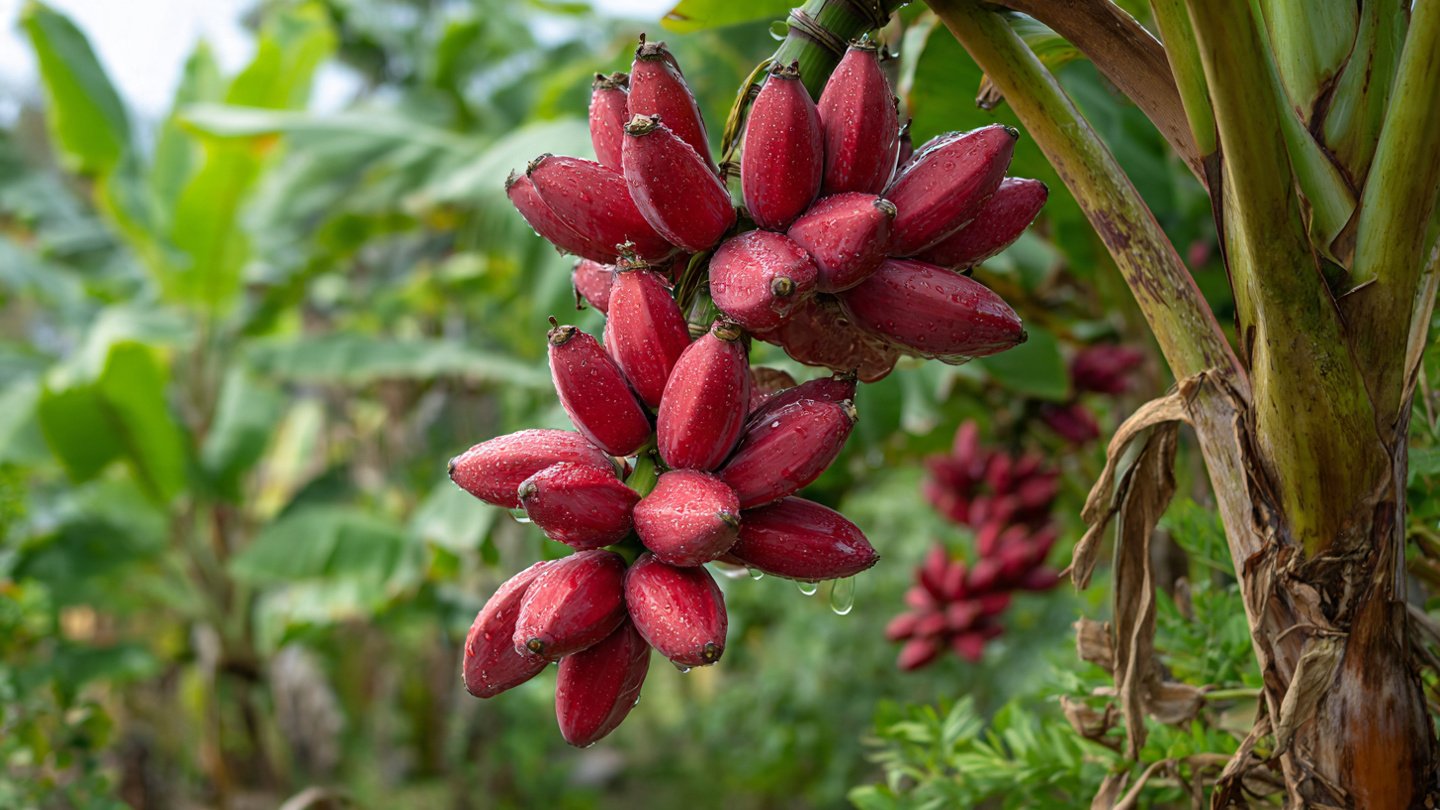
If you’re looking to add a touch of the tropics to your garden, growing red bananas could be the perfect choice. Unlike their yellow counterparts, red bananas not only provide a unique aesthetic but also offer a sweet flavor and nutritional benefits. This article will delve into the essentials of growing red bananas, from selecting the right variety to their care, harvesting, and even creative ways to incorporate them into your garden design.
Understanding Red Bananas
The Varieties
Red bananas primarily come in two well-known varieties: the Red Dacca and the Red Venezuelan. Both have distinctly sweet flavors and tend to be creamier than yellow bananas, making them popular in both culinary applications and as decorative plants.
-
Red Dacca: Known for its bright reddish-purple peel, the Dacca variety has a slightly tangy taste. It’s rich in beta-carotene and is mostly grown in tropical regions.
-
Red Venezuelan: This variety features a maroon skin that turns yellow when ripe. It has a sweeter profile compared to the Red Dacca and is often consumed fresh or used in cooking.
Nutritional Benefits
Red bananas are rich in vitamins and minerals, particularly vitamin A, vitamin C, and potassium. They are also a good source of dietary fiber. Incorporating red bananas into your diet can improve digestion, boost your immune system, and promote overall health.
Choosing the Right Location
Climate Requirements
Red bananas thrive in warm conditions, preferring tropical and subtropical climates. The ideal temperature range for growth is between 75°F to 95°F (24°C to 35°C). They cannot survive frost, so it’s essential to plant them in USDA zones 9-11 or provide protection in cooler climates.
Soil Conditions
Bananas prefer well-draining soil rich in organic matter. A pH of 5.5 to 7.0 is optimal. To achieve this, mix compost or well-rotted manure into your soil before planting.
Sunlight Exposure
Ensure the location receives full sun for a minimum of 6 hours daily. While red bananas can tolerate partial shade, full sun exposure promotes healthier growth and fruit production.
Planting Red Bananas
Obtaining Planting Stock
You can grow red bananas from suckers, which are offshoots that develop from the main plant, or through tissue-cultured plantlets. Ensure that your planting stock is healthy and disease-free. Local nurseries may offer red banana plants, or you can source them online.
Planting Procedure
-
Preparation: Dig a hole about 2 feet (60 cm) wide and deep. This should provide ample space for root development.
-
Soil Enhancement: Mix in organic compost or aged manure to enrich the soil.
-
Planting: Place the sucker or plantlet in the hole, ensuring that the growth point is slightly above soil level. Backfill with soil and gently tamp down.
-
Spacing: If planting multiple bananas, space them at least 8-10 feet (2.5-3 meters) apart to allow for growth and airflow.
-
Watering: Water the newly planted banana well to settle the soil. This initial soak helps eliminate air pockets and encourages strong root development.
Ongoing Care
Watering
Red bananas require a consistent supply of water, especially during dry spells. Water them deeply at least once a week, adjusting the frequency based on rainfall. Aim to keep the soil moist but not waterlogged.
Fertilization
A balanced fertilizer every 6-8 weeks during the growing season (spring and summer) can support healthy growth. Consider using a slow-release fertilizer with a higher potassium content, as bananas are heavy feeders.
Mulching
Applying a layer of mulch around the base of the plants helps retain moisture, suppress weeds, and slowly adds organic matter to the soil as it breaks down. Use materials like straw, grass clippings, or shredded leaves.
Pest and Disease Management
Common pests affecting red bananas include aphids, spider mites, and banana weevils. Monitor your plants regularly and use insecticidal soap or neem oil to manage infestations. Additionally, ensure good air circulation and avoid overhead watering to reduce the risk of fungal diseases.
Harvesting Red Bananas
Red bananas typically take between 9 to 12 months from planting to harvest. You’ll know they are ready when the peels turn bright red or maroon, and the fruit feels slightly soft when gently squeezed.
-
Cutting the Bunch: Use sharp, sterilized shears to cut the entire bunch from the plant.
-
Ripening: Hang the harvested bananas in a cool, dry place to ripen. They may take several days to reach peak sweetness.
-
Storage: Store ripe bananas at room temperature, away from other fruits to prevent premature ripening.
Designing with Red Bananas in the Garden
In addition to their culinary benefits, red bananas are visually striking and can enhance the aesthetics of your garden. Here are a few design ideas:
Tropical Focal Point
Plant red bananas as a central feature in a tropical garden. Pair them with other exotic plants like palms, hibiscus, and bird of paradise for a lush, vibrant look.
Container Gardening
If you lack space, consider growing red bananas in large containers. This allows you to move the plants to follow the sun or bring them indoors during colder months.
Visual Barrier
Red banana plants can serve as a natural privacy screen. Plant them in a row to create a lush barrier that blocks noise and enhances the feeling of a tropical oasis.
Conclusion
Growing red bananas can transform your garden into an exotic centerpiece while also providing flavorful fruit packed with nutrition. By following these guidelines on location, soil preparation, and care, you can cultivate a thriving banana plant that not only beautifies your garden but also enriches your culinary experiences. Whether enjoyed fresh, blended in smoothies, or used in desserts, red bananas are sure to impress. Happy gardening!