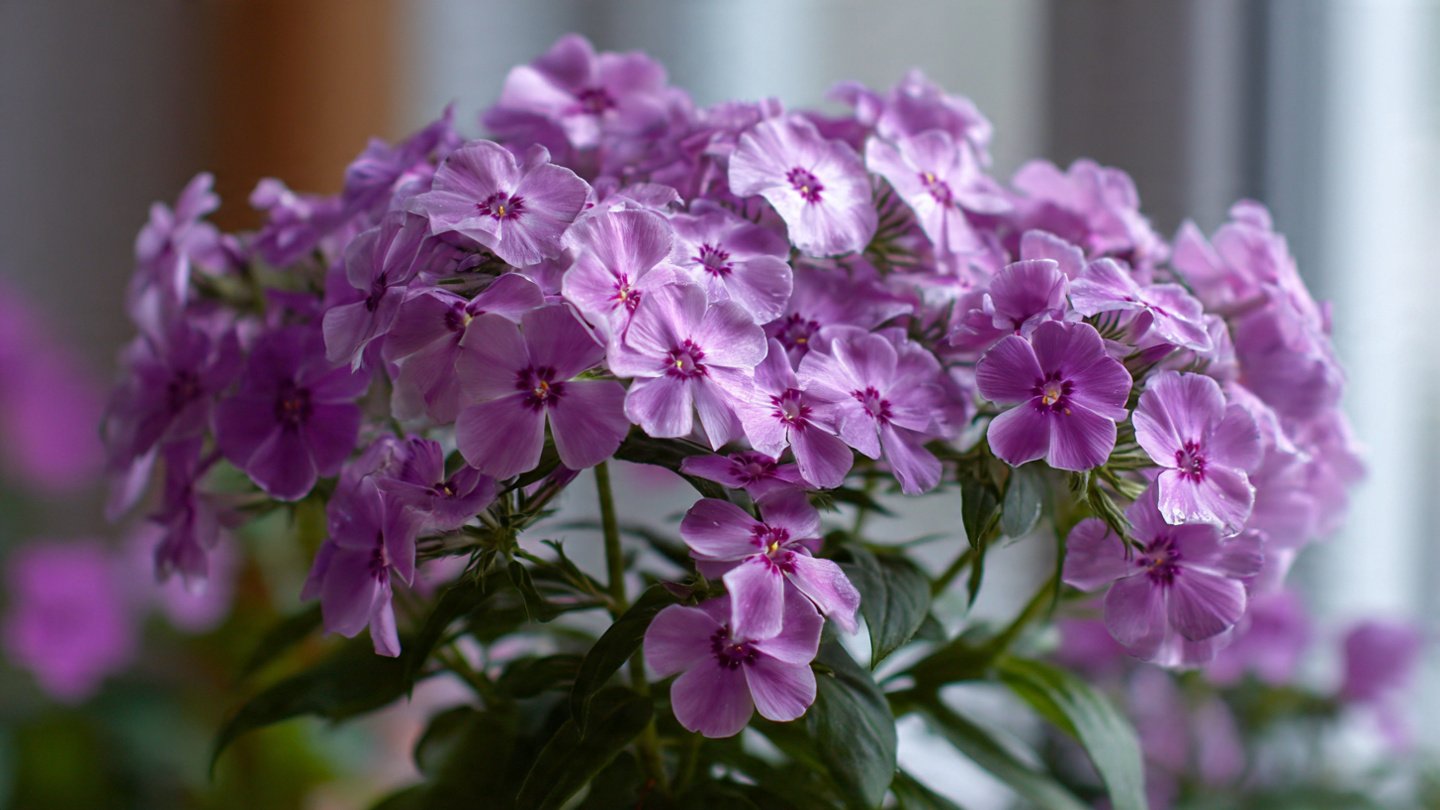
Phlox, known for its vibrant blooms and aromatic fragrance, is a beloved flowering plant that can bring color and life to any indoor space. Although most commonly cultivated outdoors, many gardeners are discovering the joys of growing phlox indoors. This article will delve into the best methods for successfully growing phlox indoors, ensuring you can enjoy these beautiful flowers year-round.
Understanding Phlox
Types of Phlox
Before starting your indoor garden, it’s essential to understand the different varieties of phlox. The two most popular types are:
-
Phlox paniculata: Also known as garden phlox, this perennial produces large clusters of blooms and can grow up to three feet tall.
-
Phlox subulata: Also called creeping phlox, this low-growing perennial spreads out and is ideal for borders or container gardens.
Both types can flourish indoors with the right conditions.
Benefits of Growing Phlox Indoors
- Aesthetic Value: Their vibrant colors—ranging from pink, red, blue, and white—make phlox a visually appealing addition to your home.
- Air Quality Improvement: Like many houseplants, phlox can help purify the air by absorbing carbon dioxide and releasing oxygen.
- Stress Relief: Gardening and interacting with plants can promote mental well-being and reduce stress levels.
Getting Started
Choosing the Right Containers
Selecting the appropriate containers is crucial for your phlox’s success. Opt for:
- Drainage Holes: Ensure the pots have good drainage options to prevent root rot.
- Materials: Terracotta pots promote airflow to roots, while plastic pots retain moisture. Choose based on your watering habits.
Soil Requirements
Phlox thrives in well-draining, nutrient-rich soil. A moderately acidic to neutral pH level (6.0 to 7.0) is ideal. A quality potting mix combined with compost will provide the right balance of nutrients and drainage.
Light Conditions
Phlox requires plenty of sunlight to grow effectively indoors:
- Ideal Locations: A south- or west-facing window will likely provide the best light.
- Supplemental Lighting: If natural light is limited, consider using grow lights to ensure your phlox receives 12-16 hours of light daily.
Planting Phlox Indoors
When to Plant
The best time to plant phlox indoors is during the spring. This timing allows the plant to establish itself and flourish before the summer heat.
Propagation Methods
There are two primary methods for propagating phlox:
-
From Seed:
- Start seeds indoors 6-8 weeks before the last frost.
- Use seed trays or small pots filled with seed-starting mix.
- Keep soil moist and provide warmth until germination occurs, which usually takes 10-14 days.
-
From Cuttings:
- Take cuttings from healthy plants in late spring.
- Use a sterile, sharp knife to cut 3-5 inch sections.
- Remove the lower leaves and place the cuttings in a pot with moist soil.
- Cover with plastic to maintain humidity until roots develop.
Planting Steps
- Fill Containers: Start by filling your pots with well-draining soil. Leave about an inch of space from the top.
- Sow Seeds or Insert Cuttings: If using seeds, gently cover them with soil. For cuttings, create a hole with a pencil before inserting the stem, then pack the soil around it.
- Water: Lightly water the soil until it’s moist but not soggy.
Caring for Indoor Phlox
Watering
Finding the right balance in watering phlox is crucial:
- Frequency: Water when the top inch of soil feels dry. This typically means watering every 1-2 weeks, but it can vary based on humidity and temperature.
- Method: Water at the base of the plant to avoid foliar diseases.
Fertilization
Indoor phlox benefits from regular fertilization:
- Type: Use a balanced, slow-release fertilizer or a water-soluble fertilizer diluted to half strength.
- Frequency: Fertilize every four to six weeks during the growing season (spring and summer).
Pruning
Regular pruning encourages bushier growth and more blooms:
- How to Prune: Pinch off the tips of stems when plants reach 6-8 inches to promote branching. Remove spent blooms to encourage continuous flowering.
Pests and Diseases
Keeping indoor phlox healthy requires vigilance:
- Common Pests: Aphids, spider mites, and whiteflies may attack your plants. Insecticidal soap or neem oil can help control these infestations.
- Diseases: Powdery mildew and root rot are common issues. Ensure adequate airflow and avoid overwatering to mitigate these risks.
Ensuring Optimal Conditions
Humidity
Phlox prefers moderate humidity levels (around 40-60%). You can increase humidity by:
- Placing a humidifier nearby.
- Grouping plants together to create a microclimate.
- Setting pots on trays filled with pebbles and water (ensuring pots are above the water level).
Temperature
Indoor phlox does best in temperatures between 65°F and 75°F (18°C to 24°C). Protect your plants from extreme temperature fluctuations and drafts.
Troubleshooting Common Issues
Yellowing Leaves
If you notice yellowing leaves, it could be due to:
- Overwatering: Check the soil’s moisture level.
- Nutritional Deficiency: Ensure you’re fertilizing regularly.
Poor Flowering
If your phlox isn’t blooming, consider:
- Insufficient Light: Increase light exposure or consider using grow lights.
- Over-fertilization: Reduce the amount of fertilizer being used.
Seasonal Changes
Winter Care
During the winter months, phlox may go dormant:
- Watering: Reduce watering frequency as the plant’s growth slows down.
- Temperature: Maintain a stable indoor temperature.
Preparing for Spring
As spring approaches, begin to:
- Increase watering as the plant resumes growth.
- Fertilize more frequently to support new growth.
Conclusion
Growing phlox indoors is a rewarding endeavor, offering beauty and tranquility to your home. By following the steps outlined above—selecting the right containers, providing adequate light and water, and maintaining proper care—you can successfully cultivate these stunning, vibrant flowers year-round. Strong attention to their specific needs will ensure that your indoor phlox blooms beautifully, bringing joy and color to your living spaces. Happy gardening!