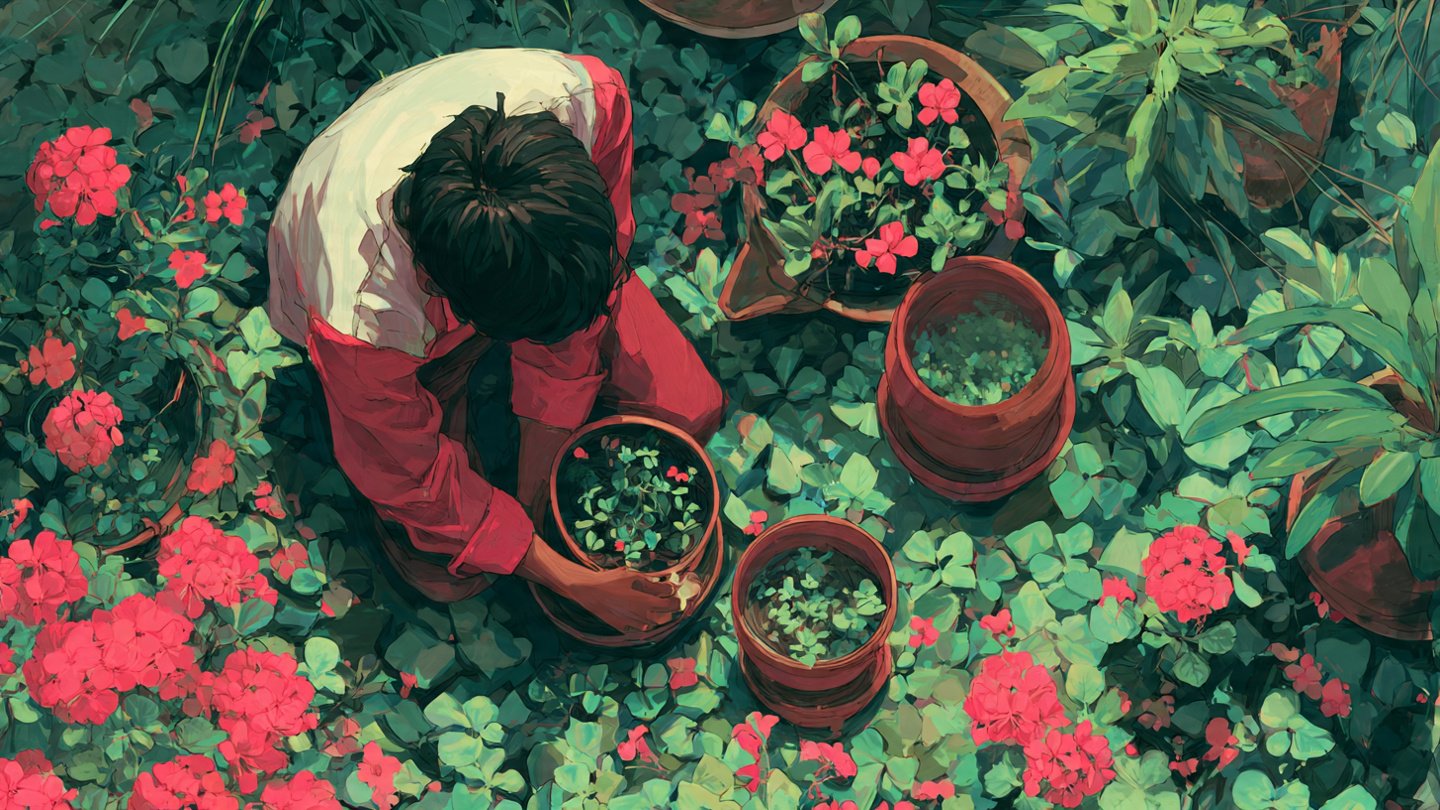
Growing your own herbs can be a rewarding experience, and sorrel, with its tangy flavor and delightful foliage, is no exception. Whether you’re a seasoned gardener or a complete novice, cultivating sorrel in pots is a manageable and satisfying endeavor. This guide will walk you through the essentials of growing sorrel in containers, ensuring that you can enjoy fresh herbs right from your garden, no matter the size of your outdoor space.
Understanding Sorrel
What is Sorrel?
Sorrel belongs to the Rumex genus and is notable for its unique, sharp flavor, reminiscent of lemon or green apple. There are a few varieties of sorrel, including French sorrel (Rumex scutatus) and garden sorrel (Rumex acetosa). Both are edible and commonly used in salads, soups, and sauces. Their vibrant green leaves can add a burst of flavor to various dishes, making them a popular choice in culinary applications.
Benefits of Growing Sorrel
- Easy to Grow: Sorrel is a hardy plant that can thrive in various conditions.
- Rich in Nutrients: High in vitamins A and C, as well as iron and magnesium, sorrel is a healthy addition to your diet.
- Perennial Nature: Once established, sorrel can come back year after year, providing a continual harvest.
- Versatile Use: It can be used in salads, soups, sauces, and even as a garnish.
- Aesthetic Appeal: With its lush green leaves and growth pattern, sorrel can brighten up your patio or garden area.
Choosing the Right Pot
Size and Material
Select pots that are at least 6-8 inches deep. A container with a diameter of 12 inches is ideal for a small sorrel plant. If you’re planning to grow multiple plants, a larger pot or several individual pots will work best.
Material Options:
- Plastic: Lightweight and affordable, but may not provide good insulation.
- Terracotta: Great for air circulation but can dry out quickly.
- Ceramic or Glazed: Retain moisture well and are visually appealing, but can be heavy.
Drainage
Ensure your pots have adequate drainage holes. Sorrel does not like to have “wet feet,” which can lead to root rot. If your pots don’t have drainage holes, consider adding a layer of gravel or sand at the bottom to improve drainage.
Soil Preparation
Choosing the Right Soil
Sorrel prefers sandy loam to rich, well-draining soil. You can purchase pre-mixed potting soil or create your own by combining equal parts of:
- Potting soil
- Compost or well-rotted manure (for nutrients)
- Perlite or sand (for drainage)
pH Levels
Sorrel thrives in slightly acidic to neutral soil, ideally with a pH range of 6.0 to 7.0. If you’re unsure about your soil’s pH, consider using a home testing kit to determine its suitability.
Planting Sorrel
Timing
If you’re starting from seeds, the best time to sow them is in early spring or late summer. Sorrel can also be planted in early fall in milder climates. If you’re transplanting seedlings, do so after the last frost.
Sowing Seeds
- Prepare the Soil: Make sure your pot is filled with the prepared soil mix.
- Sow the Seeds: Plant the seeds about 1-2 inches apart at a depth of about ¼ inch.
- Water Gently: Moisten the soil lightly after sowing. Ensure it remains consistently hydrated, but avoid over-saturation.
Transplanting Seedlings
If you’re using store-bought seedlings, gently remove the plant from its container, taking care not to damage the roots, and transplant it into your prepared pot.
Care Post-Planting
After planting, keep the pot in a location that receives full to partial sunlight for at least 4-6 hours a day.
Sunlight and Temperature Requirements
Ideal Conditions
Sorrel prefers cool growing conditions. It thrives in partial shade, especially during the heat of summer. However, it still needs a few hours of direct sunlight daily to maintain its vibrant growth and flavor.
Temperature Range
Sorrel is frost-tolerant, making it suitable for cooler climates. It grows best in temperatures between 60°F to 75°F (15°C to 24°C). In extreme heat, consider providing some shade or bringing the pot indoors during the hottest part of the day.
Watering
Consistency is Key
Sorrel likes consistent moisture. Water the plant when the top inch of soil feels dry to the touch. During hot summer months, you may need to water daily.
Signs of Over or Under-Watering
- Over-Watering: Yellowing leaves and smaller growth can be a sign of overwatering.
- Under-Watering: Wilting or droopy leaves indicate a lack of water.
Fertilizing Sorrel
Nutrient Needs
Sorrel doesn’t require heavy fertilization, but a balanced organic fertilizer can be beneficial, especially if you notice slow growth. Use a liquid fertilizer every 4-6 weeks during the growing season.
Organic Options
Consider using compost, bone meal, or fish emulsion as organic fertilizers. They not only nourish the soil but also promote healthy growth.
Pruning and Maintenance
Encouraging Growth
Regularly harvesting your sorrel can actually encourage new growth. Use sharp scissors or pruning shears to cut the leaves, allowing newer leaves to develop.
Maintaining Plant Health
Keep an eye out for pests such as aphids or spider mites. If you spot them, wash them off with a strong jet of water or use insecticidal soap to manage their population effectively.
Harvesting Sorrel
When to Harvest
You can begin harvesting sorrel leaves once the plant is about 6 inches tall. Always harvest in the morning when the leaves are crisp and full of moisture.
How to Harvest
Gently pinch or cut the outer leaves of the plant, leaving the center intact. This method will encourage the plant to grow more leaves for future harvests.
Seasoning the Leaves
Fresh sorrel can be used as a seasoning in various dishes. Its tart flavor can enhance salads, soups, and sauces. It’s also a delightful addition to dips and dressings, making it a versatile herb to have on hand.
Common Challenges and Solutions
Pests
- Aphids: Spray with water or use neem oil.
- Spider Mites: Increase humidity around the plant to deter them.
Diseases
Watch for signs of root rot; ensure proper drainage and adjust watering habits if necessary.
Conclusion
Growing sorrel in pots is not only simple but also provides a continuous supply of fresh herbs for your kitchen. By following these steps—selecting the right pot, preparing the soil, ensuring adequate sunlight and moisture, and regularly harvesting—you can cultivate a vibrant and thriving sorrel plant right on your balcony or patio. So whether you’re enhancing salads or adding zest to sauces, your homegrown sorrel will surely elevate your meals. Enjoy the journey of growing this flavorful herb, and savor the fruits of your labor in delicious dishes throughout the seasons!