Certainly! Here’s a 1500-word article on how to care for continuous flowering zinnia plants:
How to Care for Continuous Flowering Zinnia Plants: Essential Tips for Vibrant Blooms
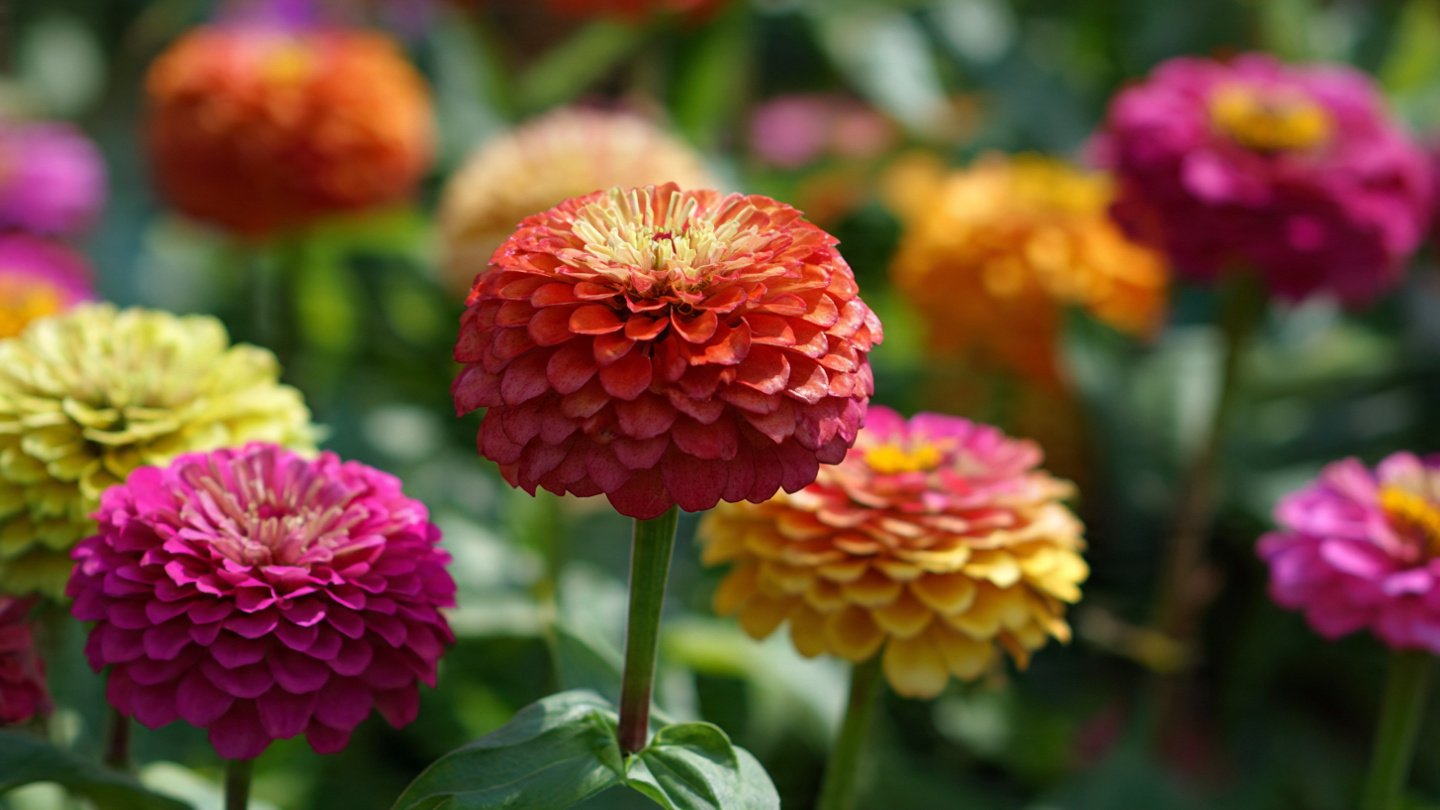
Zinnias are one of the most beloved garden flowers, cherished for their vibrant hues, ease of growth, and ability to produce a continuous display of blooms throughout the growing season. Continuous flowering zinnia plants amp up the garden’s color factor by offering a seemingly endless succession of bright, cheerful flowers. Whether you are a seasoned gardener or a novice green thumb, knowing how to care for these plants properly will ensure your zinnias flourish and bring joy all summer long.
Introduction to Continuous Flowering Zinnia Plants
Zinnias hail from the sunflower family (Asteraceae) and are native to North and South America. These hardy annuals are popular for their diverse color palette that can range from reds, pinks, oranges, yellows, whites, and purples. Continuous flowering varieties are bred to keep producing blooms repeatedly over an extended period, unlike some plants that bloom only once.
Because zinnias attract pollinators like butterflies and bees, they also offer an ecological benefit to your garden. They thrive in warm climates and sunlight, rewarding gardeners with a prolific, vibrant display. Here’s a complete guide to ensure that your continuous flowering zinnia plants remain healthy and blooming beautifully.
Choosing the Right Variety
Before planting, it’s essential to choose the right variety of zinnia for your garden. Continuous flowering types include varieties like ‘State Fair,’ ‘Benary’s Giant,’ ‘Lilliput,’ and ‘Zinnia Elegans.’ These varieties are bred to withstand pests, diseases, and environmental stressors better, resulting in longer blooming periods.
Soil Preparation
Zinnias prefer well-drained, fertile soil with a pH level between 5.5 and 7.5. To prepare your garden bed for planting:
- Test your soil: Use a soil testing kit to check the pH and nutrient levels.
- Amend the soil: Add organic matter such as compost or well-rotted manure to enhance soil fertility and structure.
- Improve drainage: If your soil tends to retain water, mix in sand or perlite to improve drainage, as zinnias dislike soggy roots.
Planting Continuous Flowering Zinnias
- Timing: Zinnias are frost-sensitive and should be planted outdoors after the last frost date in your area. They thrive in warm soil (above 60°F or 15°C).
- Spacing: Space plants 6 to 18 inches apart, depending on the variety size, to allow air circulation and reduce the risk of fungal diseases.
- Depth: Sow seeds ¼ to ½ inch deep or transplant seedlings at the same depth they were growing in their pots.
- Watering: Water thoroughly after planting.
Sunlight Requirements
Zinnias are sun lovers. For continuous flowering and robust growth:
- Place your zinnias in a location where they receive at least 6 to 8 hours of direct sunlight daily.
- Insufficient sunlight can result in leggy plants with fewer flowers.
- In hottest climates, afternoon shade can help protect plants from extreme heat stress.
Watering: Finding the Right Balance
Proper watering is a critical element in zinnia care:
- Zinnias prefer consistent moisture but do not tolerate waterlogged soil.
- Water deeply at the base of the plant early in the morning to minimize evaporation and reduce the likelihood of fungal diseases.
- Allow the top inch of soil to dry out between watering.
- Avoid overhead watering as wet leaves encourage powdery mildew and other fungal infections.
Fertilizing for Continuous Blooming
Fertilizing zinnias helps promote vigorous growth and an abundance of flowers:
- Use a balanced, slow-release fertilizer (e.g., 10-10-10) at planting time.
- Supplement with a liquid fertilizer every 4-6 weeks during the growing season if your soil is poor.
- Avoid excess nitrogen fertilizers, which can result in lush foliage but fewer flowers.
Pruning and Deadheading
To maintain continuous flowering throughout the season, regular maintenance practices are essential:
- Deadheading: Remove spent flowers by pinching or cutting just above the first set of full-sized leaves. This encourages the plant to redirect energy to producing new blooms instead of seed formation.
- Pinching: Early in the growth stage, pinch back the tips of young plants to encourage bushier growth and more flowering stems.
- Pruning: Remove any damaged or diseased leaves and stems promptly to keep the plant healthy.
Pest and Disease Management
Despite being relatively hardy, zinnias can fall prey to pests and diseases. Fighting these promptly ensures prolonged blooming:
- Common pests: Aphids, spider mites, whiteflies, and caterpillars. Use insecticidal soap or neem oil to control infestations.
- Fungal diseases: Powdery mildew is common, especially in humid conditions. Prevent by ensuring good air circulation, watering at the soil level, and choosing resistant varieties.
- Bacterial and viral diseases: These can cause leaf spots and stunting. Avoid overhead watering and remove infected plant parts.
Mulching for Moisture and Weed Control
Apply a 2-3 inch layer of organic mulch (like shredded bark or straw) around the plants. Mulching:
- Helps retain soil moisture
- Suppresses weeds that compete for nutrients and water
- Regulates soil temperature
Be careful not to pile mulch against plant stems to prevent rot.
Companion Planting
Zinnias work well when planted alongside vegetables and herbs, especially those that attract beneficial insects:
- Marigolds, basil, and nasturtiums are excellent companions.
- Avoid planting near plants that require excessively wet soil or shade.
Extending the Blooming Season
To keep your zinnias flowering longer:
- Continue deadheading regularly.
- Fertilize periodically.
- Provide adequate water during dry spells.
- Consider growing zinnias in containers that can be moved to optimal spots in your garden.
- Remove any early signs of disease or pest damage quickly.
Overwintering and Seed Saving
In colder climates, zinnias are annuals and will not survive winter outdoors. To enjoy blooms next year:
- Collect seeds from mature flower heads. Wait until flowers dry on the plant, then harvest seeds for storage.
- Store seeds in a cool, dry place and plant in spring.
- In warmer climates, zinnias may reseed themselves and return the following year.
Conclusion
Continuous flowering zinnia plants are a vibrant addition to any garden, offering color, pollinator attraction, and easy maintenance. By selecting the right varieties, providing optimal soil, sunlight, and water conditions, and practicing regular care such as deadheading and pest management, you can enjoy an abundant and colorful display from early summer through fall.
With the right care techniques, your zinnias will reward you with a radiant, long-lasting floral spectacle that brightens your outdoor space and uplifts your spirit season after season.
If you want, I can also provide a quick care checklist or suggest some great companion plants for zinnias to enhance your garden’s biodiversity. Would you like that?