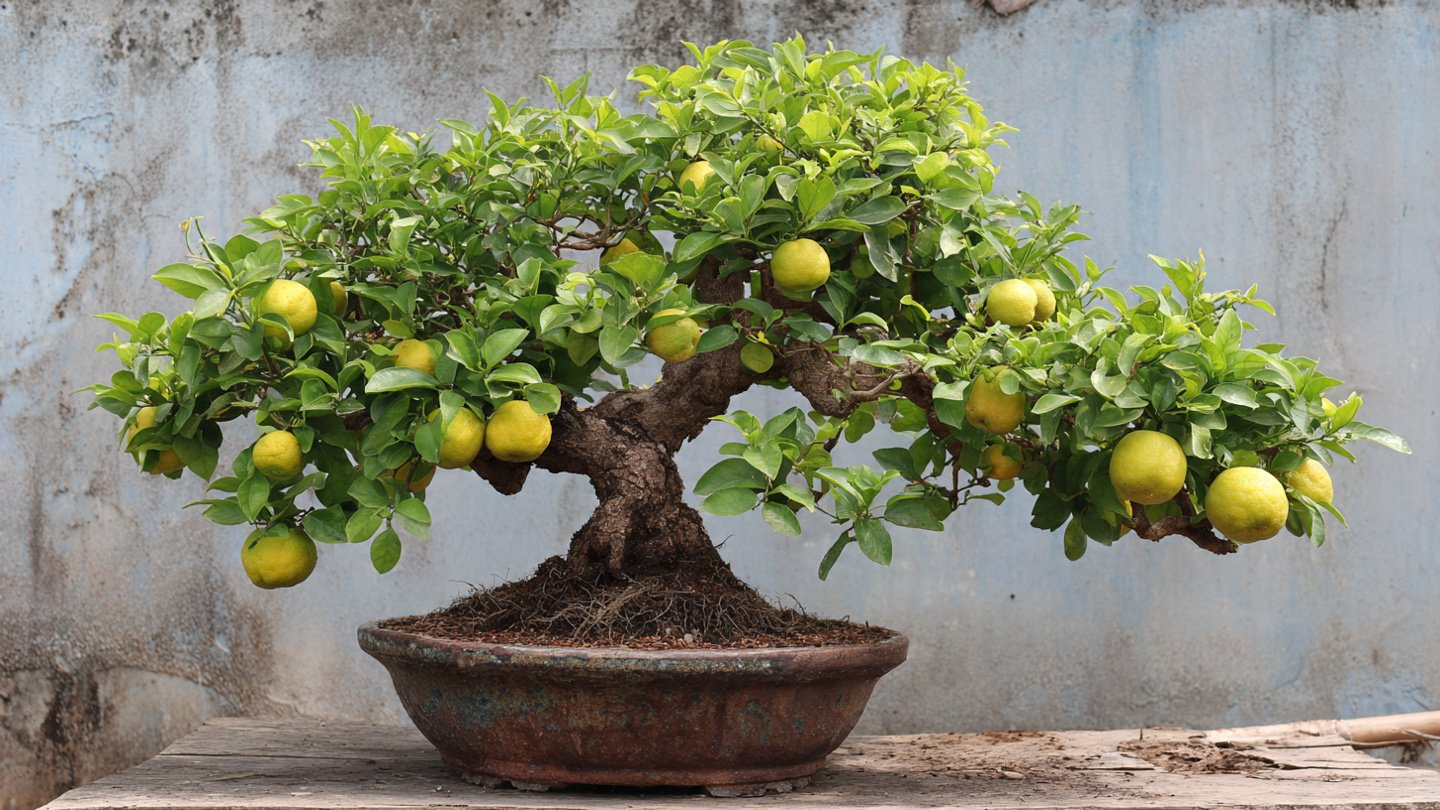
How to Master the Art of Pomelo Bonsai: Techniques for Pruning and Wiring for Optimal Growth
Bonsai is an ancient art form rooted in Japanese culture, where it symbolizes harmony, patience, and balance. Among the myriad of trees that can be cultivated as bonsai, the pomelo (Citrus maxima) is an increasingly popular choice due to its lush foliage, fragrant flowers, and the potential to produce sizable, edible fruits. Mastering the art of pomelo bonsai requires knowledge of pruning and wiring techniques, as these practices play a crucial role in shaping the tree’s growth, health, and aesthetic appeal. This article will explore the best techniques to ensure optimal growth for your pomelo bonsai.
Understanding Pomelo Bonsai
Pomelos are the largest citrus fruits, and their evergreen nature can bring a refreshing touch to your indoor or outdoor spaces. They thrive in warm climates but can also be grown successfully in containers. The key to cultivating a healthy pomelo bonsai lies in understanding its growth habits and the unique requirements of the tree.
Characteristics of Pomelo Trees
-
Growth Habit: Pomelo trees typically grow upright with a natural tendency to branch. This characteristic makes them suitable for bonsai cultivation as they can be shaped into various forms.
-
Lush Foliage: Pomelo trees have glossy, dark green leaves that can enhance the aesthetic quality of the bonsai. Their strong foliage can serve as a attractive canvas when styled properly.
-
Flowers and Fruits: While the primary aim of bonsai is aesthetics, pomelo bonsai can also yield fragrant flowers and large fruits, making it particularly rewarding for the grower.
Pruning Techniques
Pruning is an essential maintenance practice for bonsai trees, allowing you to control their growth trajectory and shape. For pomelo bonsai, proper pruning can lead to a balanced canopy and healthy flowering.
1. Timing is Key
The timing of your pruning efforts is crucial for the health and vitality of your pomelo bonsai. The best time to prune pomelo trees is during their dormant phases—late winter to early spring. Pruning during this period encourages new growth and minimizes stress on the plant.
2. Tools You’ll Need
Before beginning the pruning process, ensure you have the following tools:
- Bonsai scissors: Sharp and clean for precise cuts.
- Rubbing alcohol: For sterilizing tools to prevent disease transmission.
- Wire cutters: For removing unwanted wiring.
- Gloves: To protect your hands while working.
3. Evaluating the Tree
Before pruning, take a moment to evaluate your pomelo bonsai’s overall structure. Look for overcrowded branches, dead or diseased leaves, and areas that could benefit from thinning. A well-structured tree typically showcases a strong trunk and a balanced canopy.
4. Removing Dead or Diseased Wood
Start by cutting away any dead, damaged, or diseased branches. This step helps the tree allocate resources more effectively and promotes overall health. Cut back to healthy wood without leaving stubs.
5. Shaping the Canopy
Next, focus on shaping the canopy. Identify the main branches and remove any competing or crossing branches that may hinder sunlight penetration and airflow. Aim for an open structure where light can reach all parts of the tree.
6. Encouraging Lateral Growth
To encourage lateral growth, pinch back new shoots when they reach about 6-8 leaves. This technique redirects energy towards the branches, promoting a fuller shape. Repeat this process throughout the growing season.
Wiring Techniques
Once your pomelo bonsai has been pruned to your satisfaction, wiring is the next step in achieving the desired shape. Wiring allows you to bend and position branches in a manner that will drive future growth.
1. Choosing the Right Wire
Select the appropriate gauge of wire for your pomelo bonsai branches. Typically, copper and aluminum wires are preferred among bonsai artists. The wire should be pliable enough to wrap around branches without snapping or damaging them.
2. Preparing the Wire
Cut a sufficient length of wire to ensure you can wrap it around the branch without pulling too tightly. A good rule of thumb is to choose a length that is about 3 times the length of the branch you are working with.
3. Wiring Technique
- Start from the base: Begin wiring from the base of the branch. Wrap the wire around the branch at a 45-degree angle, progressing towards the end.
- Spacing is Important: Keep the coils spaced evenly to allow for even distribution of pressure. Avoid wrapping the wire too tightly to prevent injury to the bark.
- Bend with Intent: Once secured, carefully bend the branch to the desired angle. Be gentle, as pomelo wood is relatively soft and can fracture if pressured too much.
4. Monitoring Progress
After wiring, monitor your tree for a few weeks. Check that the branches maintain their shape without signs of distress or damage. If necessary, adjust the wire to relieve pressure or straighten bent sections.
Care Post-Pruning and Wiring
After pruning and wiring, ensuring the health and well-being of your pomelo bonsai is critical. Here are some care tips to follow:
1. Watering
Bonsai trees require consistent moisture, but they should never sit in waterlogged soil. Water your pomelo bonsai thoroughly when the top inch of the soil feels dry to the touch. Adjust your watering routine based on seasonal changes and environmental conditions.
2. Fertilizing
Nutrient balance is crucial for growth. Use a balanced fertilizer specifically designed for bonsai trees during the growing season. Follow the manufacturer’s recommendations for application rates and frequency.
3. Sunlight Requirements
Pomelo bonsai trees need plenty of sunlight to thrive. Place your tree in a location where it can receive at least six hours of direct sunlight daily. If indoors, consider rotating the pot regularly to ensure even light exposure.
4. Pest Control
Regularly inspect your pomelo bonsai for any pests or signs of disease. Common pests include aphids, scale, and spider mites. Use insecticidal soap or neem oil for treatment, ensuring you follow the instructions carefully.
Seasonal Considerations
Growing pomelo bonsai requires attentiveness not only to annual pruning and wiring but also to seasonal changes that may affect the tree’s growth patterns.
Spring
- This is the perfect time to prune and wire as the tree begins to wake from dormancy.
- Watch for new growth and nourish with organic fertilizer.
Summer
- Continue to monitor water intake as the tree will require more moisture during warmer months.
- Remove any vigorous growth that detracts from the tree’s shape.
Fall
- Begin tapering off fertilization as the tree prepares for dormancy.
- Remove any wire that has begun to dig into the bark.
Winter
- Keep your pomelo bonsai in a sheltered location to protect it from frost.
- Assess the tree for any necessary winter pruning.
Conclusion
Mastering the art of pomelo bonsai is a rewarding endeavor that combines knowledge, skill, and a love for horticulture. Through proper pruning and wiring techniques, you can sculpt your pomelo into an aesthetically pleasing specimen that embodies the harmony and beauty of this timeless art form. Remember, patience is key. Your pomelo bonsai will evolve and take shape over time, with each pruning and wiring session bringing you closer to your vision. Embrace the journey and enjoy nurturing your living work of art.